
5 Signs Your Car Needs a Service Before the Warning Light
Don't wait for a dashboard light. Learn the 5 signs your car needs a service now, from strange noises to poor fuel economy. Keep your car safe in Darwin.
MechanicDarwin Technical Team
MechanicDarwin Certified Technician

Is your car trying to tell you something? Long before a dashboard light flashes, your vehicle often provides subtle clues that it needs attention. Ignoring these early warning signs can lead to more significant, expensive problems down the road, and potentially leave you stranded on the side of a hot Darwin road.
The top 5 signs your car needs a service before the warning light appears include new or unusual noises, a drop in performance or fuel efficiency, vibrations while driving, fluid leaks, and issues with your brakes or starting the engine. Paying attention to how your car feels, sounds, and performs is the best way to catch problems early and maintain its reliability and safety. Proactive car servicing is always cheaper than a major repair.
Why You Shouldn't Wait for a Dashboard Warning Light
A dashboard warning light is a helpful indicator, but it's often the last resort. When a light like the 'Check Engine' symbol illuminates, it means a sensor in your vehicle has already detected a problem that is outside its normal operating range. In many cases, the issue has been developing for some time. Waiting for this light can mean a small, preventable issue has escalated into a more complex and costly repair.
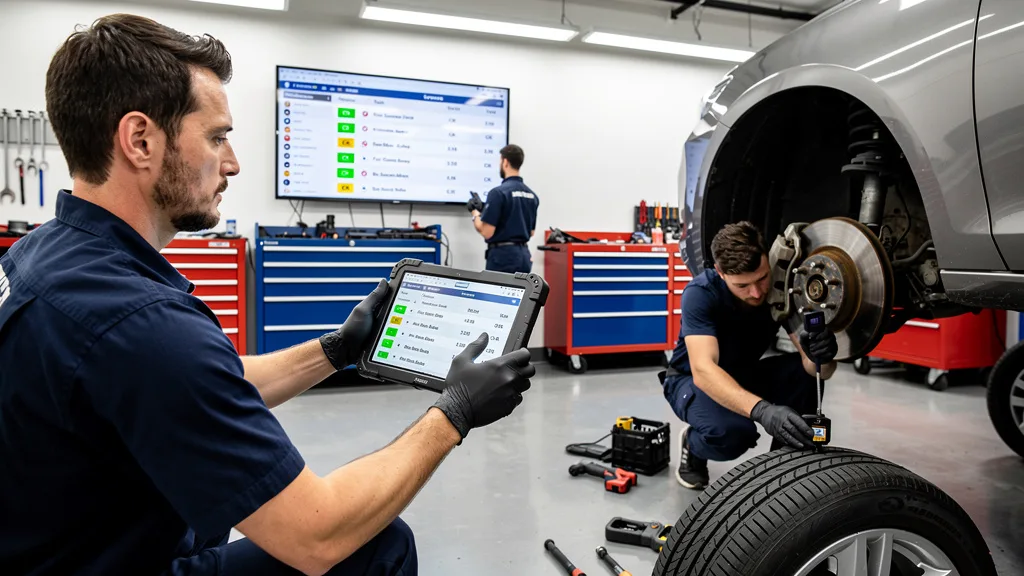
Think of these lights as the final notification, not the first. Proactive maintenance allows a qualified technician to spot worn components, top up essential fluids, and make adjustments before they trigger a sensor. This approach not only saves you money but also ensures your vehicle is running efficiently and safely. Regular car servicing keeps your vehicle running efficiently and helps prevent expensive repairs, which is crucial for every car owner. You can review some of the top 5 Warning Signs Your Car may need attention from an independent source for more context.
In the Northern Territory's demanding climate, with its high heat and humidity, components like batteries, tyres, and cooling systems are under constant stress. Relying solely on a dashboard light means you might miss the gradual degradation of these parts until it's too late. Being attuned to your car's daily behaviour is your best defense against unexpected breakdowns.
5 Key Signs Your Car Needs Immediate Service
Your car communicates through its performance, sounds, and even smells. Learning to interpret these signals is key to identifying problems before they become serious. If you notice any of the following warning signs, it's time to book a service with a professional mechanic, even if no lights are showing on your dash.
Sign 1: Uncommon Noises and Strange Sounds
Your car should operate with a familiar set of sounds. When new, persistent noises appear, they are almost always a sign of a problem. Don't turn up the radio to ignore them; these sounds are direct indicators of specific mechanical issues that require attention.
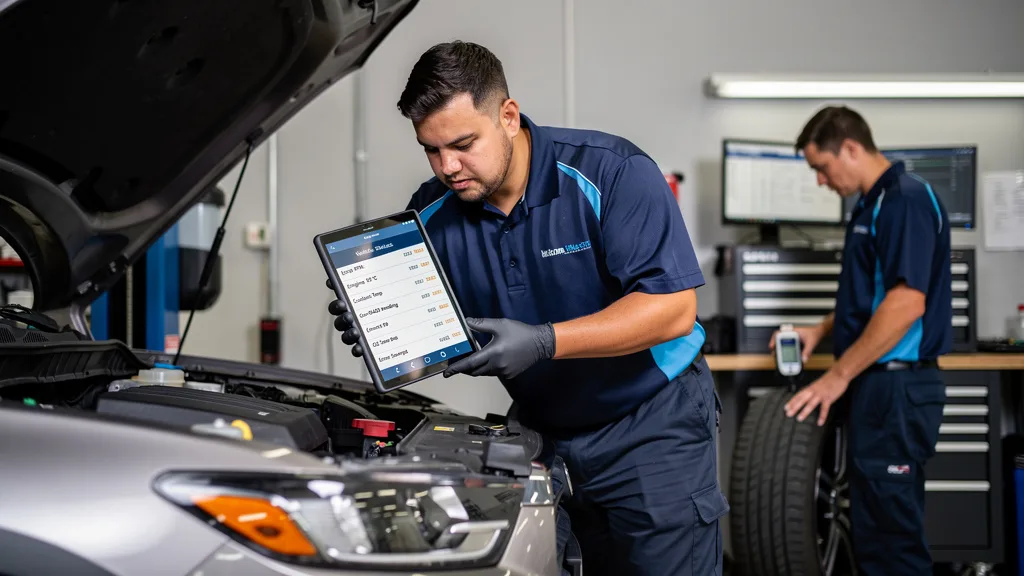
Listen for these mystery noises:
- Squealing or Screeching: A high-pitched squeal when you apply the brakes is a classic sign of worn brake pads. The sound is caused by a built-in metal indicator rubbing against the rotor.
- Grinding: A metallic grinding sound, especially when braking or turning, can indicate severely worn brake pads that are now metal-on-metal, or a problem with a wheel bearing. This requires immediate attention to avoid further damage.
- Clicking or Tapping: A rhythmic clicking or tapping sound from the engine that increases with speed could point to low oil level or a problem with the engine's valvetrain.
Sign 2: Decreased Performance and Fuel Efficiency
You know how your car is supposed to feel when you drive it every day. A noticeable decline in its performance is a significant red flag. This could manifest as sluggish acceleration, difficulty maintaining speed up hills, or a general feeling that the engine is working harder than usual to do its job.
Another key indicator is a sudden drop in fuel efficiency. If you find yourself visiting the petrol station more often than usual without a change in your driving habits, your engine is likely not running at its peak. This can be caused by anything from a dirty air filter or old spark plugs to a more complex fuel system issue. A comprehensive general car servicing can diagnose the root cause and restore your vehicle's power and economy.
Sign 3: Vibrations, Shaking, or Pulling
A smooth ride is a sign of a healthy car. If you begin to feel unusual vibrations through the steering wheel, seat, or floor, it's a clear indication that something is wrong. Vibrations can be caused by unbalanced tyres, worn suspension components, or even engine misfires. The source of the vibration often gives clues; for example, a vibration in the steering wheel often points to a front-end issue like wheel alignment or balancing.
Similarly, if your car pulls to one side while you're driving on a straight, flat road, it's a common symptom of misaligned wheels or uneven tyre wear. A car that pulls to the side when you brake is a more serious safety concern, often indicating a problem with the calipers or brake hoses. These are not issues that will fix themselves and should be inspected promptly.
Sign 4: Visible Fluid Leaks Under Your Vehicle
Your car relies on several different fluids to operate correctly. If you see spots or puddles forming under your car where you park, it's a definite sign of a leak. The color of the fluid can help identify the source and urgency of the problem. Don't ignore these, as low fluid levels can cause catastrophic damage.
Common fluid leaks include:
- Dark Brown or Black: This is typically engine oil. An oil leak can lead to engine damage from poor lubrication.
- Bright Green, Pink, or Orange: This is usually coolant (antifreeze). A coolant leak can cause your engine to overheat, which is a very serious issue, especially in Darwin's heat.
- Reddish or Brown: This is often transmission fluid or power steering fluid. Both are critical for your car's operation.
Sign 5: Problems With Brakes or Weak Starts
Two of the most critical systems in your vehicle are the brakes and the starting system. Any change in their performance is a major safety concern. If your brake pedal feels spongy, soft, or goes further to the floor than usual, it could indicate air in the brake lines or low brake fluid. These are clear signs your brakes need attention and should be checked immediately.
Likewise, if your car is slow to turn over or the engine struggles to crank when you turn the key, it's a sign of a weak battery or a problem with the starting or charging system. While it might start eventually, this is a problem that will inevitably leave you stranded if not addressed. Getting it tested by a professional can determine if you need a new battery, an alternator repair, or something else.
Understanding Your Recommended Car Servicing Schedule
While listening to your car is crucial, following a regular maintenance schedule is the foundation of preventative care. Your vehicle's manufacturer provides a recommended service schedule in the owner's manual or log book. This schedule outlines when to perform specific tasks like oil changes, filter replacements, and major inspections based on kilometers driven or time.

"Your manufacturer's log book is a great starting point, but it's designed for ideal conditions. Here in Darwin, the high heat and humidity mean we often recommend more frequent checks on batteries, coolant, and tyres to prevent failures. Sticking to a proactive schedule is the best way to ensure reliability in our tough climate." - Lead Technician, MechanicDarwin
Adhering to this schedule is vital for your car's longevity, performance, and resale value. It also helps technicians catch potential issues before they become major failures. However, it's important to remember that these are minimum recommendations. Factors like driving habits, frequent short trips, and extreme climate conditions can increase wear and tear. That's why understanding how often to service your car in Darwin's climate is so important for local drivers.
| Service Interval | Typical Kilometres | Common Service Items |
|---|---|---|
| Minor Service | Every 10,000 - 15,000 km or 12 months | Engine oil and filter change, fluid top-ups, brake and tyre inspection, safety check. |
| Major Service | Every 30,000 - 45,000 km or 2-3 years | Includes minor service items plus spark plugs, air and fuel filters, and more comprehensive system checks. |
| Timing Belt/Chain | Every 100,000 - 160,000 km | Critical component replacement to prevent catastrophic engine failure. Varies greatly by manufacturer. |
| Fluid Flushes | As per manufacturer recommendation | Brake fluid, coolant, and transmission fluid flushes to maintain system integrity. |
What to Do When a Warning Light Does Appear
Even with proactive care, a warning light may eventually appear on your dashboard. When it does, don't panic, but don't ignore it. The color of the light often indicates the severity. A red light, such as for oil pressure or engine temperature, signals a critical issue that requires you to pull over safely and turn off the engine as soon as possible to prevent major damage.
An amber or orange light, like the 'Check Engine' light, indicates a less urgent but still important fault. While you can usually continue driving, you should have the vehicle diagnosed by a professional as soon as you can. A flashing 'Check Engine' light is more serious and signals a severe misfire that could damage your catalytic converter. In this case, you should reduce speed and get the car serviced immediately.
The best course of action is to contact a qualified technician. They can use a diagnostic scanner to read the specific fault code stored in your car's computer, which pinpoints the source of the problem. This takes the guesswork out of the repair and ensures the correct issue is addressed. If you're in Darwin or Palmerston, a mobile mechanic service can come to you to diagnose the problem on-site, providing a convenient and efficient solution.
Key Takeaways
- Don't Wait for the Light: Dashboard warning lights are lagging indicators. Proactive checks based on your car's sounds and feel are more effective at preventing major repairs.
- Listen and Feel: Unusual noises (squealing, grinding), vibrations, or a decrease in performance are clear signs your car needs a service.
- Check for Leaks: Any fluid leaking from your car, whether it's oil, coolant, or transmission fluid, requires immediate inspection to prevent system damage.
- Prioritize Safety Systems: Issues with brakes (spongy pedal, pulling) or starting (slow crank) are critical safety concerns that should never be ignored.
- Follow a Schedule: Regular, scheduled servicing based on your manufacturer's recommendations and adjusted for local conditions is the best way to ensure long-term reliability.
Frequently Asked Questions
Can I drive my car if the 'service engine soon' light is on?
If the 'service engine soon' or 'check engine' light is solid (not flashing), you can typically continue driving, but you should schedule a diagnostic check as soon as possible. The light indicates that a sensor has detected a fault, which could be anything from a loose fuel cap to a more significant engine issue. Ignoring it can lead to reduced fuel efficiency or cause more damage over time.
However, if the light is flashing, it signals a severe problem, usually a major engine misfire. In this case, you should reduce your speed and drive as little as possible. Continuing to drive with a flashing light can cause expensive damage to your catalytic converter. Pull over safely and call for assistance.
What happens if I ignore these warning signs and skip a service?
Ignoring early warning signs and skipping scheduled services dramatically increases the risk of a major breakdown. A small issue, like a worn brake pad making a squealing noise, can escalate into a damaged brake rotor, a much more expensive repair. A minor oil leak can lead to a seized engine if the oil level drops too low.
Ultimately, skipping maintenance leads to decreased safety, poor reliability, and much higher repair costs in the long run. What could have been a simple adjustment or a low-cost part replacement can turn into a multi-thousand-dollar repair bill and leave you without a vehicle for an extended period.
How often does a car really need to be serviced?
Most modern cars recommend a service every 10,000 to 15,000 kilometers or every 12 months, whichever comes first. You should always consult your vehicle's owner's manual for the specific schedule. However, this can vary based on your driving conditions.
In harsh environments like the Northern Territory, with its extreme heat and humidity, more frequent checks are advisable. We recommend a check-up at least every 12 months, even for low-kilometer drivers, as fluids and rubber components can degrade over time regardless of use. Following a consistent schedule is key to vehicle health.
Are there basic service checks I can perform myself at home?
Yes, there are several simple checks any car owner can perform regularly between professional services. These include checking your engine oil level using the dipstick, inspecting your tyre pressure and tread depth, and ensuring all your lights (headlights, brake lights, indicators) are working correctly.
You can also visually check your coolant level in the reservoir and top up your windscreen washer fluid. These simple tasks can help you spot a developing issue, like a slow oil leak or a tyre losing pressure, before it becomes a major problem. However, these checks do not replace a full service by a qualified mechanic.
Conclusion
Paying attention to the five key signs your car needs a service before a warning light appears is the most effective way to ensure your vehicle remains safe, reliable, and cost-effective to run. By being proactive and addressing strange noises, performance drops, vibrations, leaks, and braking issues early, you prevent minor problems from becoming major, expensive failures. Regular maintenance is an investment in your car's health and your peace of mind on the road.
If you've noticed any of these warning signs or your car is due for its regular maintenance, don't wait. Our team of certified technicians at MechanicDarwin is here to provide honest, upfront diagnostics and repairs for drivers across Darwin and Palmerston. We make it easy to keep your car in top condition.
Book a Service online today for a fixed quote and a convenient appointment at our workshop or with our mobile mechanic.
Written by MechanicDarwin Technical Team
MechanicDarwin Trade-Qualified Technician
Trade-qualified technician at MechanicDarwin with extensive experience diagnosing and repairing vehicles under extreme Northern Territory conditions.