
Questions to Ask a Mechanic in Darwin Before Booking
Finding a great mechanic in Darwin is crucial. Learn the essential questions to ask about diagnostics, quotes, parts, and warranties before you book any car.
MechanicDarwin Technical Team
MechanicDarwin Certified Technician

Is that dashboard warning light causing you stress, or is a strange noise from the engine making you nervous about your daily drive? Choosing the right person to trust with your vehicle can feel overwhelming, but being prepared with the right questions transforms you from a worried car owner into an empowered one. Knowing what to ask ensures you get clear answers, fair pricing, and quality work.
Before booking a car repair, it's essential to ask about the specific issue, your repair options, and the costs involved. You should request a detailed written quote, inquire about the repair timeframe, and confirm the warranty on parts and labor. These questions help you understand the work being performed, avoid surprises, and build confidence in your chosen mechanic in Darwin.
1. What Is the Exact Issue With My Vehicle?
The first step toward a successful car repair is understanding exactly what's wrong. Modern vehicles are complex machines with interconnected mechanical and electronic systems, where one small issue can trigger a cascade of symptoms. Vague descriptions like "it's making a funny noise" are a starting point, but a professional mechanic should be able to provide a precise diagnosis. This clarity is the foundation for all subsequent decisions about the repair.
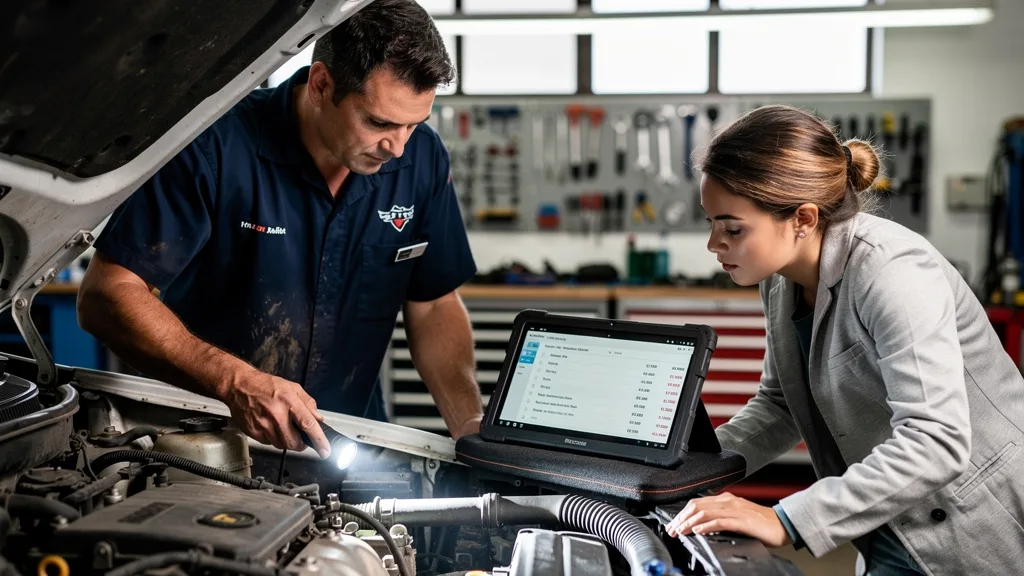
Don't settle for technical jargon you don't understand. A good mechanic can translate complex problems into plain language. This ensures you are fully informed and can make a confident decision about the proposed repairs. Whether it's a simple fix or a major overhaul, you have the right to know what is happening with your property.
Ask for Diagnostic Codes and a Plain-Language Explanation
When a dashboard warning light appears, a mechanic will often use a diagnostic scanner to retrieve error codes from your car's computer. These codes, like P0420 or C1223, point to the system that is malfunctioning. Ask for these specific codes, but more importantly, ask what they mean for your vehicle in simple terms. For example, a code might indicate a faulty oxygen sensor, and the mechanic should explain that this part measures exhaust gases and affects fuel efficiency and emissions.
This two-part approach gives you both the technical data and a practical understanding. It shows the mechanic has done their due diligence and helps you grasp the root cause of the problem. This clear communication is a hallmark of a professional service and helps build trust between you and the workshop.
Confirm the Urgency of the Repair
Not all car problems require immediate attention. After you understand the issue, the next logical question is, "How soon does this need to be fixed?" A trustworthy mechanic will help you triage the repairs. They should clearly distinguish between critical safety issues, problems that could cause more extensive damage if ignored, and minor items that can be addressed at a later date.
For instance, worn brake pads or a steering system fault are urgent and impact your safety on the road. On the other hand, a minor oil leak or a recommendation to replace an air filter might be less critical. Discussing urgency helps you budget your finances and schedule, ensuring you address the most important work first without feeling pressured into non-essential repairs.
2. What Are My Options for the Repair?
Once the problem is diagnosed, there may be more than one way to fix it. A good mechanic will present you with different pathways, explaining the pros and cons of each. This might involve choices between different types of parts or prioritizing certain aspects of the repair over others. This discussion empowers you to choose a solution that aligns with your budget and how long you plan to keep the vehicle.
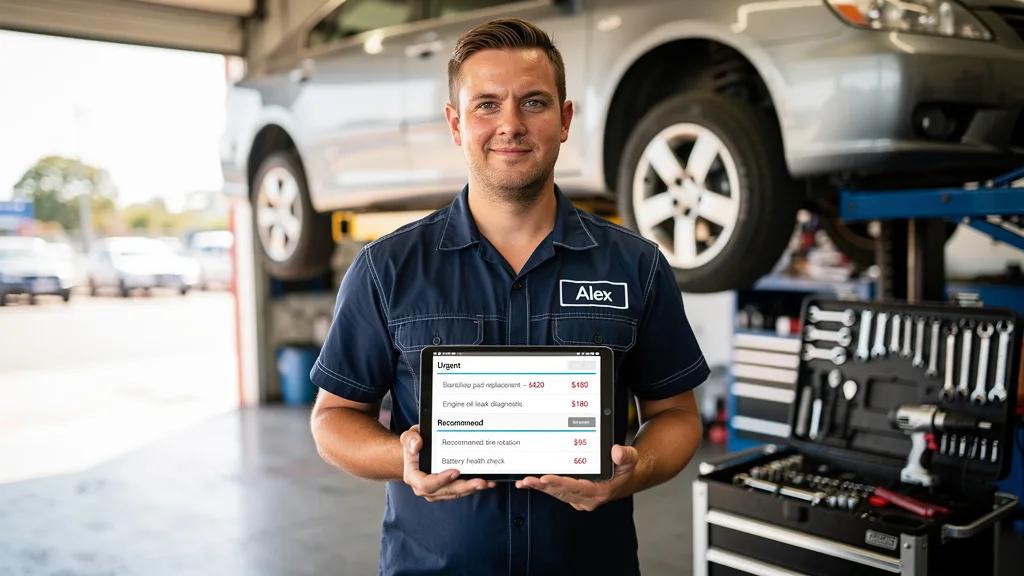
Exploring your options ensures you are in control of the repair process. Whether you're driving a brand-new 4WD or an older daily commuter, the right repair strategy can vary. This conversation demonstrates that the mechanic respects your role as the vehicle owner and is working with you to find the best outcome, not just the most expensive one.
Discussing OEM vs. Aftermarket Parts
One of the most common choices you'll face is between Original Equipment Manufacturer (OEM) parts and aftermarket parts. OEM parts are made by the same company that manufactured your vehicle, offering a guarantee of perfect fit and quality. Aftermarket parts are produced by other companies and often provide a more budget-friendly alternative. A professional mechanic should explain the differences in quality, price, and warranty for the parts relevant to your repair.
For some repairs, an OEM part is highly recommended, while for others, a high-quality aftermarket part can offer significant savings without compromising safety or performance. Asking about these options allows you to make an informed choice. It's a key part of the Mechanic in Darwin: Questions to Ask Before Booking process that directly impacts the cost and longevity of the repair.
| Feature | OEM Parts | Aftermarket Parts |
|---|---|---|
| Source | Made by the vehicle's original manufacturer. | Made by third-party companies. |
| Quality | Consistent quality, designed specifically for your car. | Quality can vary widely between brands. |
| Price | Generally more expensive. | Often more affordable. |
| Warranty | Typically backed by the vehicle manufacturer's warranty. | Warranty varies by the part manufacturer. |
| Availability | Usually sourced through dealerships; may take time. | Widely available at most repair shops and parts stores. |
Prioritizing Urgent vs. Recommended Work
Sometimes, a diagnostic check reveals multiple issues. A mechanic might find that your primary complaint is caused by a failing water pump, but also notice that your suspension bushings are beginning to wear. In this scenario, it's crucial to ask the mechanic to help you prioritize. The water pump is an urgent repair to prevent engine overheating, while the suspension work might be something you can schedule for a few months down the line.
This conversation helps you manage your budget effectively. By creating a clear plan that separates immediate needs from future recommendations, you can address safety-critical items without feeling overwhelmed by a long list of suggested repairs. This is particularly important for managing the costs of multiple auto repair and mechanic services.
3. Can I Get a Detailed Written Quote?
Verbal estimates can lead to misunderstandings and disputes. Before you agree to any work, always insist on a detailed written quote. This document is your best tool for ensuring transparency and avoiding surprise charges when you receive the final bill. A professional workshop will provide this without hesitation, as it protects both you and them.
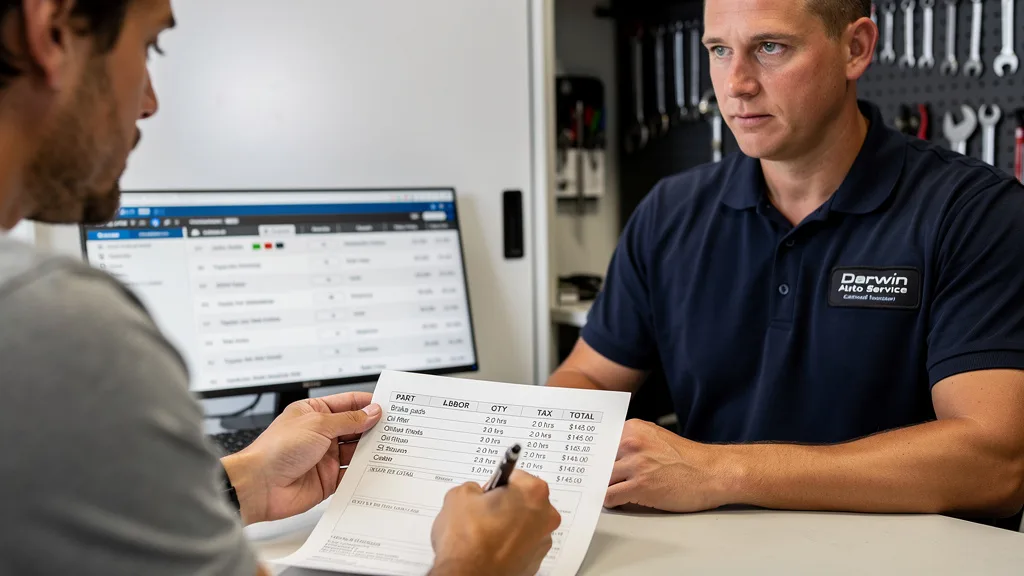
The quote should be more than just a total number. It should be a comprehensive breakdown of all anticipated costs. Review it carefully and ask questions about anything you don't understand. This is your opportunity to approve the costs before the work begins, ensuring everyone is on the same page.
"An upfront, itemized quote is a sign of an honest mechanic. It shows they are confident in their diagnosis and transparent about their pricing, which is the foundation of trust in any car repair scenario."
Request an Itemized Breakdown of Costs
A proper quote should list each component of the job separately. This includes the cost of each individual part, the shop's hourly labor rate, and the estimated number of hours the job will take. It should also include any additional charges, such as shop supplies, diagnostic fees, or environmental levies for disposing of old fluids and parts.
This level of detail allows you to see exactly where your money is going. You can compare the costs of parts and labor and ensure there are no hidden fees. If the quote is not itemized, don't be afraid to ask for a more detailed version. This is a reasonable request for any car owner. minor oil leak.
Clarify Labor Rates and Estimated Hours
The labor portion of your bill is often the most significant expense. Make sure you understand how it's calculated. Ask for the workshop's hourly labor rate and the estimated time required for your specific repair. Labor times are often based on industry-standard guides that dictate how long a particular job should take on your vehicle's make and model.
Clarifying this upfront prevents disputes over the final invoice. If the repair takes longer than estimated, a professional mechanic should communicate with you before proceeding. Understanding the labor component gives you a complete picture of the financial commitment and is a crucial part of the repair process.
4. How Long Will the Repair Take?
Being without your vehicle is a major inconvenience, so getting a realistic timeframe for the repair is essential for planning your week. Ask for an estimated completion time when you drop off your car. A good mechanic should be able to give you a reasonable window based on the complexity of the job and their current workload.
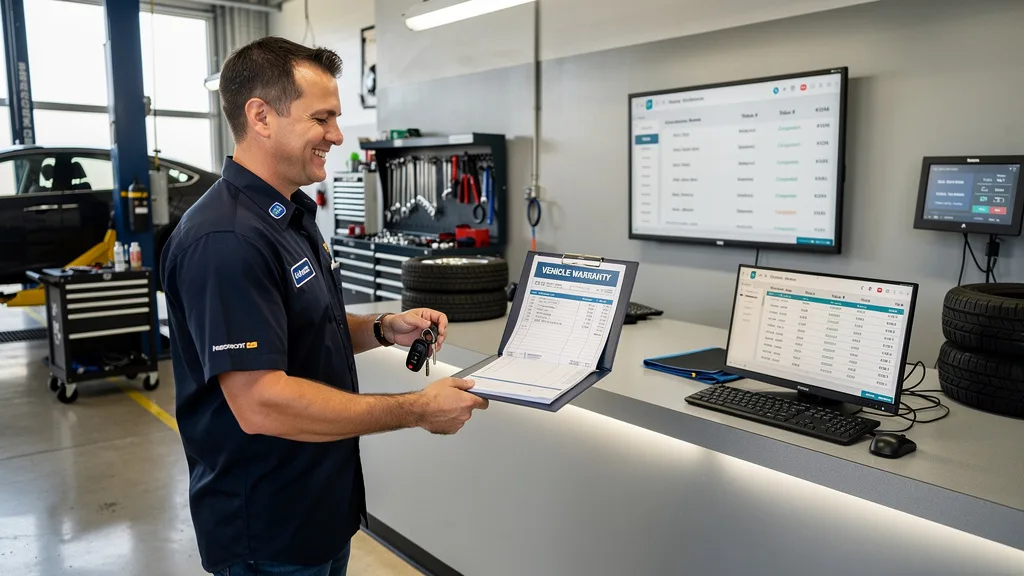
Remember that this is an estimate. Unexpected issues can arise, or parts may need to be ordered. The key is not just the initial estimate but also how the workshop communicates any changes to that timeline. A proactive approach to communication is a sign of excellent customer service.
Get an Estimated Completion Timeframe
When you approve the quote, ask, "When can I expect my car to be ready?" This simple question helps you manage your own schedule, whether you need to arrange alternative transport for work, school runs, or a long drive. A professional mechanic will consider parts availability and technician scheduling to give you their best estimate.
For routine servicing or common repairs, the timeframe is often predictable. For more complex diagnostics or major work, the estimate might be a range. Either way, getting this information upfront helps set clear expectations and reduces the stress of being without your car.
Understand the Process for Communicating Delays
Delays happen, even in the best workshops. The difference between a good and a bad experience often comes down to communication. Ask the mechanic, "How will you let me know if there are any delays?" A reliable shop will have a clear process, whether it's a phone call or a text message, to keep you informed.
This proactive communication is crucial if a technician discovers another issue during the repair or if a part delivery is delayed. Knowing you will be kept in the loop provides peace of mind and shows that the workshop values your time. This is one of the essential 8 Questions to Ask Your mechanic to ensure a smooth service experience.
5. What Warranty or Guarantee Applies to the Work Performed?
A repair shouldn't just fix the problem today; it should provide lasting peace of mind. Before authorizing work, you should always ask about the warranty that covers it. A reputable workshop will stand behind their craftsmanship and the parts they use, offering a guarantee as a commitment to quality.
Understanding the warranty terms is just as important as understanding the repair itself. It is your protection in case a part fails prematurely or an issue related to the repair resurfaces. Don't assume a warranty is included; always ask for the specifics in writing.
Confirm Coverage for Both Parts and Labor
A comprehensive warranty should cover both the parts installed and the labor performed. Ask the mechanic to clarify the duration and terms of this coverage. For example, a common warranty might be 12 months or 20,000 kilometers, whichever comes first. This means if the new part fails within that period due to a defect or improper installation, the workshop will rectify the issue at no additional cost.
Be sure to understand any exceptions or conditions. Some warranties may be void if the vehicle is used for commercial purposes or if another workshop modifies the repair. Having this information gives you confidence in the longevity of the work performed during a service. For more details on common warranty questions, you can review our Frequently Asked Questions page.
Know the Process for Making a Warranty Claim
In the unfortunate event that you need to use the warranty, you should know the correct procedure. Ask the service advisor, "What is the process if I need to make a warranty claim?" Typically, you will need to contact the workshop that performed the original repair and bring the vehicle back for inspection.
Keep your original invoice and any warranty documentation in a safe place, as you will need it to validate your claim. Understanding the process beforehand saves time and frustration if a problem arises. It's the final piece of the puzzle in ensuring a secure and professional repair experience.
How to Know if a Mechanic in Darwin Is Good
Beyond asking the right questions, there are several key indicators of a trustworthy and skilled mechanic. In a place like Darwin, where driving conditions can be tough on vehicles, finding a reliable professional is paramount. Look for a combination of qualifications, reputation, and excellent customer service.
These signs help you vet a workshop before you even book your car in. A little research upfront can save you from poor workmanship, unfair pricing, and future headaches. Taking the time to assess these factors will lead you to a mechanic you can rely on for years to come.
Check for Industry Certifications and Experience
A reputable workshop will employ trade-qualified technicians. Look for certifications that demonstrate their team has met industry standards for skill and knowledge. In Australia, this often means holding a Certificate III in Light Vehicle Mechanical Technology or a similar qualification. Experience, especially with your vehicle's make or with Darwin's unique climate challenges, is also invaluable.
These qualifications are a mark of professionalism and competence. A workshop that invests in training and certification is committed to providing high-quality service. Don't hesitate to ask about the team's credentials when you call or visit.
Read Recent Online Reviews and Testimonials
In 2026, online reviews are a powerful tool for car owners. Check Google, social media, and local community forums for feedback from previous customers. Look for recent reviews that speak to the mechanic's honesty, communication skills, quality of work, and fair pricing.
While a single negative review isn't necessarily a red flag, a pattern of complaints about the same issue should be taken seriously. Conversely, a long history of positive feedback is a strong indicator of a reliable business. Seeking a Mechanic workshop recommendation in Darwin from local online groups can provide candid, real-world insights.
Assess Their Communication and Professionalism
The way a mechanic communicates with you is often a reflection of their overall professionalism. When you first contact them, are they polite, attentive, and willing to answer your questions? A good mechanic takes the time to listen to your concerns and explains complex issues clearly and patiently.
This professionalism should extend throughout the entire repair process, from the initial quote to the final handover. A clean, organized workshop and courteous staff are also positive signs. If you feel rushed, dismissed, or pressured at any point, it may be best to look elsewhere.
Key Takeaways
Navigating car repairs can be straightforward when you're equipped with the right knowledge. By asking targeted questions, you can ensure transparency, fairness, and quality from your chosen mechanic. Here are the most important points to remember:
- Demand Clarity: Always ask for a precise diagnosis in plain language, not just technical codes. Understand the urgency of each recommended repair.
- Explore Your Options: Discuss different repair paths, including the use of OEM versus aftermarket parts, to find a solution that fits your budget and needs.
- Get It in Writing: Never proceed without a detailed, itemized written quote. This is your best protection against unexpected costs.
- Confirm the Timeline: Ask for an estimated completion time and understand how the workshop will communicate any potential delays.
- Verify the Warranty: Ensure the repair is backed by a warranty that covers both parts and labor, and know the process for making a claim.
Frequently Asked Questions
What are the signs of a reputable car mechanic?
A reputable car mechanic demonstrates professionalism through clear communication, transparent pricing, and a willingness to answer all your questions. They will provide a detailed, written quote before starting any work and will stand behind their repairs with a clear warranty on both parts and labor.
Should I get a second opinion for a major car repair?
Look for a clean, organized workshop and staff who are courteous and knowledgeable. Positive online reviews and industry certifications are also strong indicators that you are dealing with a trustworthy professional who values quality and customer satisfaction.
What questions should I ask when buying a used car in Australia?
Yes, getting a second opinion for a major or expensive car repair is a wise decision. If you are quoted for a significant job like an engine or transmission rebuild, having another qualified mechanic inspect the vehicle can provide peace of mind and confirm the diagnosis is accurate.
What is the difference between OEM and aftermarket parts?
While it may involve an additional diagnostic fee, a second opinion can potentially save you hundreds or even thousands of dollars by preventing an unnecessary repair or finding a more cost-effective solution. It is a reasonable step for any car owner facing a substantial repair bill.
Do I have to approve all work before it begins?
When buying a used car, you should ask for the vehicle's full service history to verify it has been maintained regularly. Inquire about its ownership history, ask if it has ever been in a major accident, and check if there is any outstanding finance on the vehicle by doing a PPSR check.
Most importantly, ask if you can have the vehicle inspected by your own independent mechanic before purchase. This pre-purchase inspection is the best way to uncover hidden mechanical or structural problems. For those in the NT, it's also smart to ask specific questions about its history, as detailed in our guide on what to check before buying a used 4WD in the Northern Territory.
OEM (Original Equipment Manufacturer) parts are made by the same company that built your vehicle. They are identical to the parts your car was fitted with at the factory, guaranteeing a perfect fit and consistent quality, though they are usually more expensive.
Aftermarket parts are made by different companies and are designed to function as replacements for OEM parts. They offer more variety and are often more affordable, but their quality can vary between brands. A good mechanic can recommend a reliable aftermarket brand as a cost-effective alternative for certain repairs.
Absolutely. You must give your authorization before a mechanic can legally begin any work on your vehicle or charge you for it. This is why obtaining a written quote is so important. The quote outlines the scope and cost of the job you are approving.
If a mechanic discovers another issue during the repair, they must contact you to explain the new problem, provide a cost estimate, and get your approval before proceeding with the additional work. You are always in control of the repairs performed on your car.
Conclusion
Finding a trustworthy mechanic in Darwin doesn't have to be a game of chance. By arming yourself with the right questions, you can turn a potentially stressful situation into a clear and controlled process. Asking about the diagnosis, repair options, costs, timing, and warranty empowers you to make informed decisions, ensuring you receive fair value and high-quality work for your vehicle.
The key takeaways are to prioritize clear communication and complete transparency. A professional mechanic will welcome your questions and provide detailed answers because it builds a foundation of trust. This approach not only gets your car fixed correctly but also helps you find a reliable workshop you can depend on for all your future servicing and repair needs, from routine maintenance to unexpected breakdowns.
Ultimately, being an engaged and inquisitive car owner is your best strategy for maintaining your vehicle's health and safety. You can avoid misunderstandings, prevent surprise bills, and drive away with the confidence that the job was done right.
Ready to experience the difference that clear communication and honest service make? Our certified technicians are here to answer all your questions and provide upfront, fixed quotes for any repair. For reliable car servicing in Darwin and Palmerston, let our team help you today. Book a Service with us and get the clarity you deserve.
Written by MechanicDarwin Technical Team
MechanicDarwin Trade-Qualified Technician
Trade-qualified technician at MechanicDarwin with extensive experience diagnosing and repairing vehicles under extreme Northern Territory conditions.