
Your Pre Arrival Checklist: Preparing for a Mobile Mechanic
Booking a mobile mechanic? Here's what to check before they arrive at your home. Our guide covers documenting symptoms, preparing your car, and ensuring a.
MechanicDarwin Technical Team
MechanicDarwin Certified Technician

Have you ever booked a mobile mechanic and wondered if you've done everything possible to ensure a quick, accurate, and hassle-free repair? The convenience of having a qualified technician come to your home or workplace is undeniable, but a little preparation can make a significant difference in the efficiency and success of the service. Taking a few simple steps beforehand helps your mechanic diagnose the issue faster and get you back on the road sooner.
Before a mobile mechanic arrives, you should document your car's specific symptoms, including noises, smells, and any warning lights on the dashboard. Also, prepare your vehicle by ensuring it's easily accessible and clean, gathering your service history, and creating a safe workspace. This preparation is the key to a smooth and effective onsite servicing experience, helping the technician diagnose and fix the issue with greater precision.
Understanding what to check before a mobile mechanic arrives at your home empowers you as a car owner. It transforms the service from a simple call-out into a collaborative effort, ensuring that your concerns are addressed accurately. This guide provides a comprehensive checklist to help you prepare your vehicle for a successful visit from a mobile technician in Darwin or Palmerston.
The First Thing to Check: Documenting Your Car's Symptoms
The most valuable information you can provide to a mechanic comes directly from your experience driving the vehicle. Before the technician arrives, take some time to become an observer and document everything you've noticed that is out of the ordinary. This detailed account acts as a roadmap for the mechanic, guiding them toward the root cause of the problem far more quickly than a diagnostic scan alone.
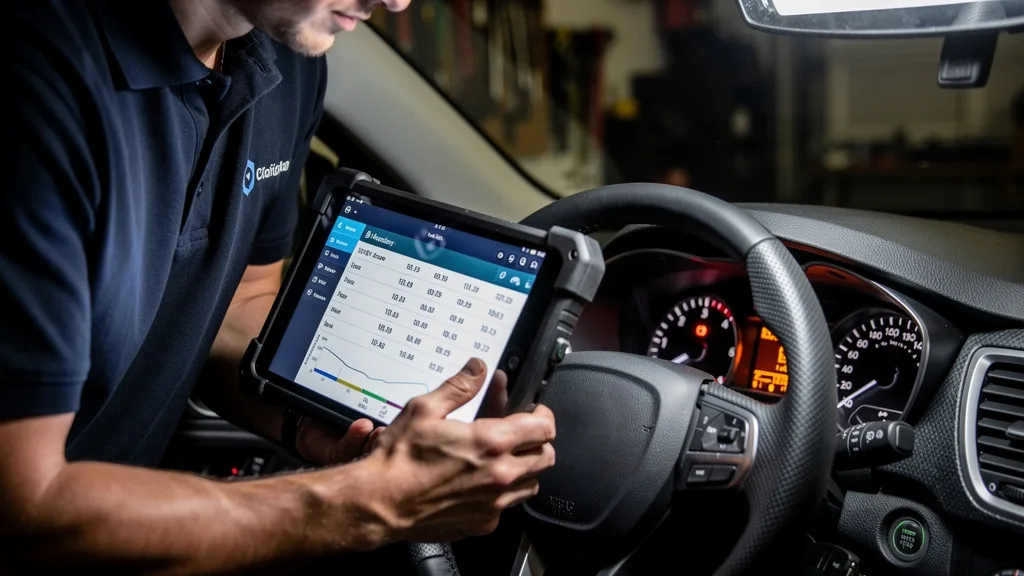
Think of yourself as a detective gathering clues. Vague descriptions like "it's making a funny noise" can be difficult to diagnose. However, specific details can pinpoint the problem area, saving time and money. Your careful observations are the first and most critical step in the entire repair process.
Note Down Specific Noises, Smells, and Sensations
Try to describe the symptoms with as much detail as possible. Is the noise a clunking, grinding, squealing, or whining sound? Does it smell like burning rubber, oil, or something sweet like coolant? Do you feel a vibration in the steering wheel, the brake pedal, or the entire car? For example, a high-pitched squeal when you apply the brakes points directly to the braking system, while a clunking noise when you go over bumps might suggest a suspension issue.
The more specific your notes are, the better. Writing these details down ensures you won't forget anything when the mechanic arrives. This information is invaluable for an accurate diagnosis, especially for intermittent problems that may not occur during the mechanic's inspection.
Identify When and Where the Problem Occurs
Context is crucial. Does the issue only happen when the engine is cold, or does it appear after driving for a while? Does the problem occur when you're accelerating, braking, or turning a specific direction? Note the conditions under which the symptoms appear. For instance, a shuddering sensation that only happens at highway speeds points to a different set of potential problems than one that occurs when idling at a stoplight.
Being able to replicate the problem or at least describe the exact conditions when it happens is incredibly helpful. If you can tell the mechanic, "The car only makes the whining noise when I turn the steering wheel to the left while parking," they can immediately focus their investigation on the power steering system. This level of detail makes the diagnostic process much more efficient.
Check for Warning Lights on Your Dashboard
Your car's dashboard is its primary communication tool. If any warning lights are illuminated, take a photo or write down which symbols are lit. Common lights include the "Check Engine" light, ABS (Anti-lock Braking System) light, battery light, and oil pressure warning. Each light corresponds to a specific system in your vehicle.
While a warning light doesn't tell the whole story, it gives the mechanic a critical starting point. A check engine light, for example, signals that the onboard computer has detected a fault in the engine or emissions system. The mechanic can then use a diagnostic scanner to retrieve the specific fault codes, which provides a direct path for their investigation into your car's issues. Knowing which lights are on before you even schedule onsite servicing helps set expectations for the repair.
Preparing Your Vehicle for the Service Visit
Once you've documented the symptoms, the next step is to prepare the physical vehicle for the mechanic's arrival. A well-prepared car and environment contribute to a safer and more efficient service. This involves ensuring the vehicle is accessible and providing a clean workspace for the technician.
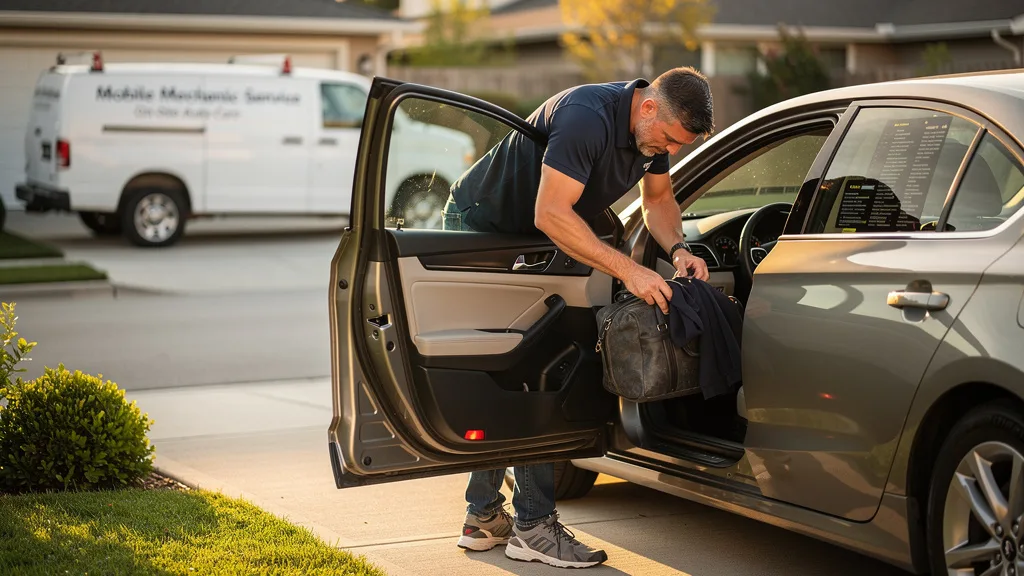
These simple acts of preparation show respect for the mechanic's time and safety. It allows them to get straight to work without having to move obstacles, clean spaces, or worry about personal belongings. A little effort on your part can significantly streamline the entire appointment.
Ensure the Car Is Easily Accessible
The mobile mechanic will need to be able to park their service van near your vehicle and have enough room to work around it. Park your car in a location that is easy to get to, such as a driveway or a clear spot on the street. Avoid parking it in a cramped garage, under a low-hanging tree, or too close to other vehicles or walls.
If you live in an apartment complex or have designated parking, make sure you understand the rules regarding vehicle repairs. You may need to secure a specific spot or get permission beforehand. Clear communication about the vehicle's location when booking can prevent delays on the day of service.
Clean the Interior and Relevant Areas
While you don't need to detail your car, a basic cleaning can make a big difference. Remove any rubbish, food wrappers, or clutter from the interior, especially from the driver's side floor and seats. This ensures the mechanic can access the pedals and controls without obstruction and can place protective covers without soiling them.
If you know where the problem is located, clearing that area is also helpful. For example, if you have an issue with your battery, make sure the boot or engine bay is clear of luggage, boxes, or other items. A clean workspace is a safe and efficient workspace, allowing the technician to focus solely on the repair.
Remove Personal and Valuable Items
Before the mechanic arrives, take a few minutes to remove any personal and valuable items from your car. This includes things like wallets, phones, laptops, sunglasses, and any other items you wouldn't want to be lost or accidentally damaged. While our technicians are professionals who respect your property, it's always best practice to secure your belongings.
Check the glove box, centre console, and door pockets. Removing these items protects your property and removes any liability concerns, giving both you and the technician peace of mind. It's a simple step that helps ensure a professional and worry-free service experience.
Creating a Safe and Clear Workspace for the Mechanic
The environment where the mechanic will work is just as important as the car itself. A safe, level, and well-lit area is essential for performing quality repairs. As the property owner, you are responsible for providing a suitable space for the service to take place.
"A clear, safe workspace is the most important thing a customer can provide. It lets us focus 100% on the car and complete the job efficiently and safely. A flat surface and good lighting make all the difference, especially in Darwin's variable weather." - Lead Technician, MechanicDarwin
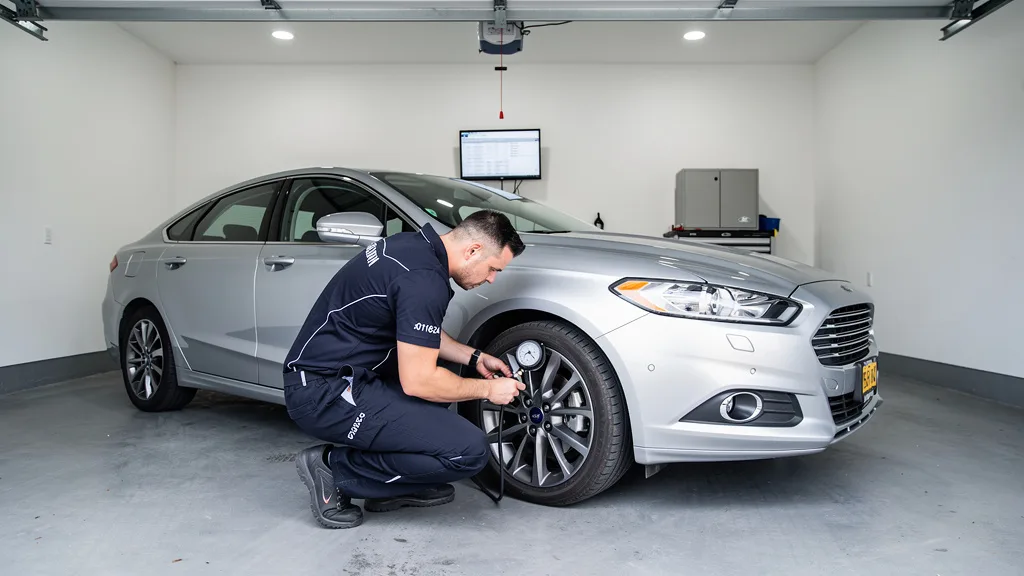
Taking a few moments to assess your driveway or parking area can prevent potential hazards and delays. This foresight ensures the mechanic can use their tools, including jacks and stands, safely and effectively. Your cooperation in creating this space is a key part of the mobile servicing partnership.
Find a Flat, Level Surface for the Visit
One of the most critical safety requirements is a flat, level surface. Working on a slope is dangerous, particularly if the vehicle needs to be lifted with a jack. A slanted surface can cause the jack or jack stands to slip, which could lead to serious injury or damage to your vehicle. A level driveway, garage floor, or a flat section of pavement is ideal.
If you are unsure whether your driveway is suitable, it's best to discuss it when you book a mobile mechanic. You may need to find an alternative location nearby. This single check is paramount for the safety of both the technician and your vehicle.
Ensure Adequate Lighting and Space Around the Vehicle
Good visibility is essential for any detailed mechanical work. The best option is to schedule the service during daylight hours. If the appointment is in the early morning, late afternoon, or if the work area is covered, ensure there is adequate artificial lighting available. The mechanic will have their own lights, but a well-lit environment is always safer and more effective.
Additionally, make sure there is plenty of space around the entire vehicle. The technician will need to open doors fully, move tool carts, and get under the car. A good rule of thumb is to have at least one meter of clear space on all sides. This allows for safe movement and efficient access to all parts of the car.
Keep Pets and Children at a Safe Distance
For everyone's safety, it's important to keep pets and small children away from the work area during the service appointment. An auto repair site involves heavy tools, potentially hot or sharp parts, and chemical fluids. Curious pets and children can easily get in the way or put themselves in a dangerous situation.
Find a secure place for them inside your home or in a fenced yard away from the vehicle. This allows the mechanic to concentrate fully on their work without worrying about accidental injuries. A distraction-free environment ensures the job is done safely and to the highest standard.
Gathering Essential Paperwork and Information
With the vehicle and workspace prepared, the final step is to gather all the necessary documents and information. Having these items ready to go will save time when the mechanic arrives and can provide them with important context about your vehicle's history. This preparation helps ensure a smooth start to the appointment.
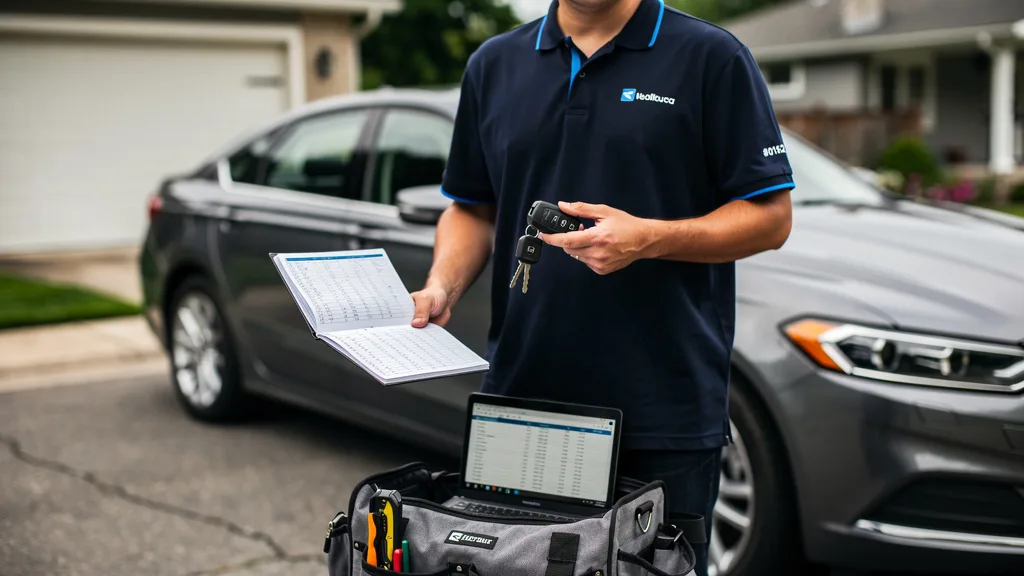
This part of the process is about arming your mechanic with knowledge. Your car's service history and your own prepared questions contribute to a more thorough and transparent repair process. It shows you are an informed and proactive car owner.
Have Your Vehicle's Service History Ready
If you have a logbook or a folder of service records for your vehicle, have it available for the mechanic to review. This history provides a wealth of information about past repairs, recurring issues, and when major maintenance items were last performed. It can help the technician diagnose the current problem more quickly and avoid redundant checks.
A service history can reveal patterns that may not be immediately obvious. For example, if a certain part has been replaced multiple times, it might indicate a deeper underlying issue. This context is extremely valuable and supports a more comprehensive approach to your car's health. For more on this, it's useful to understand What Does a Mobile Mechanic Do in their diagnostic process.
Prepare Your Keys and Any Security Codes
Make sure you have all necessary keys for the vehicle ready, including the ignition key and any separate keys for doors or the fuel cap. It is also critically important to locate the special key or socket for any locking wheel nuts if your car has them. Without this key, the mechanic will be unable to remove the wheels to inspect brakes or suspension components.
In addition, if your vehicle has an alarm system or immobilizer with a specific code or procedure, have that information handy. This prevents any delays caused by a triggered alarm or an engine that won't start after the battery has been disconnected.
Make a List of Questions for the Mechanic
The service visit is a great opportunity to get expert advice about your vehicle. Before the mechanic arrives, jot down any questions you have. This might include questions about the current repair, recommendations for future maintenance, or clarification on any aspect of your car's performance.
Having a list ensures you remember everything you want to ask. It can lead to a better understanding of your vehicle and help you make informed decisions about its care. Questions could include, "How can I prevent this from happening again?" or "What other services will my car need in the next six months?"
Final Steps for a Smooth and Reliable Visit
With everything prepared, there are just a few final details to confirm to ensure your appointment goes off without a hitch. These last steps are about communication and managing expectations, setting the stage for a positive and professional service experience. This is how you guarantee a smooth reliable visit.
Confirming logistics like pricing and your own availability helps prevent misunderstandings on the day. It solidifies the plan and ensures both you and the technician are on the same page before any work begins.
| Category | Action Item | Reason |
|---|---|---|
| Symptoms | Note noises, smells, and when they occur. | Aids in faster, more accurate diagnosis. |
| Vehicle Prep | Ensure car is accessible and clean. | Allows the mechanic to start work immediately. |
| Workspace | Provide a flat, clear, and safe area. | Essential for technician safety and quality work. |
| Paperwork | Have service history and keys ready. | Provides context and avoids delays. |
| Logistics | Confirm price and be available. | Prevents surprises and facilitates communication. |
Confirm the Quoted Price and Payment Methods
Before the appointment, make sure you have a clear understanding of the costs involved. At MechanicDarwin, we provide upfront, fixed quotes so you know exactly what to expect. It's a good idea to have this quote handy, either printed or on your phone, to review with the mechanic before they start.
You should also confirm the accepted payment methods. Knowing whether you can pay by card, bank transfer, or another method avoids any inconvenience once the job is complete. This simple confirmation ensures a transparent and hassle-free conclusion to the service.
Plan to Be Available During the Appointment
While you don't necessarily need to watch over the mechanic's shoulder, it's important to be available and reachable during the appointment. The technician may need to ask you questions, show you a worn-out part, or get your approval for additional work if an unexpected issue is discovered.
Being present at the beginning of the appointment to discuss the symptoms and at the end to review the work is highly recommended. If you cannot be there for the entire duration, ensure the mechanic has your mobile number and that you are able to answer their calls promptly. For more answers to common questions, you can review our Frequently Asked Questions page.
Understand the Onsite Servicing Process
Familiarize yourself with the general flow of a mobile service call. Typically, the mechanic will arrive, greet you, and discuss the symptoms you've noted. They will then perform a diagnostic inspection to confirm the cause of the problem. Before proceeding with any repairs, they will confirm the work and the quoted price with you.
Once you give the go-ahead, they will complete the repair, using parts from their well-stocked service van. After the work is done, they will test the vehicle to ensure the issue is resolved and clean up their workspace. Understanding this process helps you know what to expect and makes for a more comfortable and predictable experience.
Key Takeaways
Preparing for a visit from a mobile mechanic is straightforward and significantly improves the quality and efficiency of the service. By taking these proactive steps, you can help ensure a quick diagnosis, a safe repair, and a positive experience. Remember these key points for your next booking:
- Document Everything: Your detailed notes on symptoms are the most valuable diagnostic tool you can provide. Write down what you see, hear, and feel, and when it happens.
- Prepare Your Space: A clean, accessible car in a flat, safe, and well-lit workspace is non-negotiable for a technician's safety and effectiveness.
- Gather Your Info: Have your service history, keys (including locking wheel nut key), and a list of questions ready to go. This streamlines the start of the appointment.
- Communicate Clearly: Confirm the quote and payment methods beforehand, and plan to be available to talk with the mechanic. Clear communication prevents misunderstandings.
Frequently Asked Questions
Can a mobile mechanic diagnose problems?
Yes, absolutely. A professional mobile mechanic is equipped with a wide range of diagnostic tools, including advanced OBD-II scanners that read fault codes from your car's computer. They combine this technology with their extensive hands-on experience to accurately diagnose a vast majority of automotive issues right at your location.
The detailed symptoms you provide are a crucial part of this process. By listening to your description of the problem and then performing their own inspections and tests, they can effectively pinpoint the root cause, whether it's a mechanical failure or an electronic fault.
What do mechanics check for during an inspection?
During a general inspection or service, a mechanic will systematically check all the critical systems of your vehicle to ensure they are in good working order. This typically includes checking and topping up all essential fluids like engine oil, coolant, brake fluid, and power steering fluid. They will also inspect the condition of belts and hoses for cracks or wear.
The inspection also covers safety components such as the brakes (pads, rotors, and fluid), tyres (pressure and tread depth), lights, wipers, and suspension components. This comprehensive check is designed to identify any current issues and spot potential problems before they become serious. Many common issues can be fixed onsite, as detailed in this list of 8 Car Issues a Mobile Mechanic Can Resolve.
How much space is needed for a mobile mechanic service?
For a safe and efficient service, a mobile mechanic needs a reasonable amount of clear space around your vehicle. Ideally, there should be at least one meter (about three feet) of open space on all four sides of the car. This allows them to open the doors fully, move around with tool carts, and safely access the undercarriage if needed.
The surface must also be flat and hard, like concrete or asphalt, especially if the car needs to be lifted with a jack. Working on soft ground or a steep incline is unsafe and is generally not permitted. Always confirm your location is suitable when you book the appointment.
Do I have to be present for the entire service appointment?
It is highly recommended that you are present at the beginning of the appointment to greet the mechanic and discuss the vehicle's symptoms in person. It is also best to be there at the end to receive a summary of the work completed, inspect the repair, and process payment. This ensures clear communication and transparency.
However, you do not necessarily need to be present for the entire duration of the repair, especially for longer jobs. As long as you are reachable by phone to approve work or answer questions, you can often go about your day. Just be sure to make arrangements for key handover and payment beforehand.
What happens if a mobile mechanic cannot complete the repair onsite?
While mobile mechanics can perform a wide range of repairs onsite (from routine servicing to brake replacements), some complex jobs require specialized equipment found only in a workshop. This can include major engine or transmission work that requires heavy lifting equipment. Our guide on mobile mechanic vs. workshop visit explains this in more detail.
If a repair cannot be completed onsite, the mechanic will perform a full diagnosis to confirm the problem. They will then provide you with a detailed explanation and a firm quote for the required work. At MechanicDarwin, we can then arrange to have your vehicle transported to our fully-equipped workshop in Darwin to complete the repair, ensuring you receive the same trusted service.
Conclusion
Following this pre-arrival checklist is the best way to prepare for a visit from a mobile mechanic. By documenting symptoms, preparing your car and a safe workspace, and gathering the necessary information, you set the stage for a fast, accurate, and hassle-free repair. This proactive approach not only helps the technician but also empowers you as a car owner, ensuring your concerns are addressed effectively and you get back on the road with confidence.
When you need reliable and honest car repairs in Darwin or Palmerston, our team is ready to help. Our qualified mobile technicians bring the workshop to you, providing expert service with upfront pricing. Don't let car troubles disrupt your day. Book a Service online today and experience the convenience of professional mobile car servicing.
Written by MechanicDarwin Technical Team
MechanicDarwin Trade-Qualified Technician
Trade-qualified technician at MechanicDarwin with extensive experience diagnosing and repairing vehicles under extreme Northern Territory conditions.