
How to Check Your Car's Oil at Home in Darwin: 2026 Guide
Learn how to check your car's oil level at home in Darwin with our 2026 step by step guide. Keep your engine safe in the NT heat. We cover everything.
MechanicDarwin Technical Team
MechanicDarwin Certified Technician

Is your car's engine prepared to handle the intense Darwin heat? A quick, regular oil check is one of the most vital yet simple maintenance tasks you can perform at home to prevent costly engine damage. This simple procedure ensures your engine is properly lubricated, cooled, and protected against the unique demands of the Top End climate.
To check your car's oil level at home in Darwin, park your vehicle on level ground and wait for the engine to cool down. Locate the dipstick, pull it out, and wipe it clean. Reinsert it fully, then pull it out again to check the level against the 'Full' and 'Low' marks. The oil should be between these two points and have a clean, amber color. If the level is low or the oil is dirty, it's time to take action.
Why Checking Your Car's Oil Is Crucial in Darwin's Climate
In Darwin, the combination of high temperatures and humidity puts extra stress on your vehicle's engine. Engine oil doesn't just lubricate moving parts; it plays a critical role in cooling the engine by carrying heat away from the combustion chamber. When temperatures soar, your oil works harder, which can cause it to break down and lose its effectiveness more quickly. This makes regular checks even more important for local drivers.
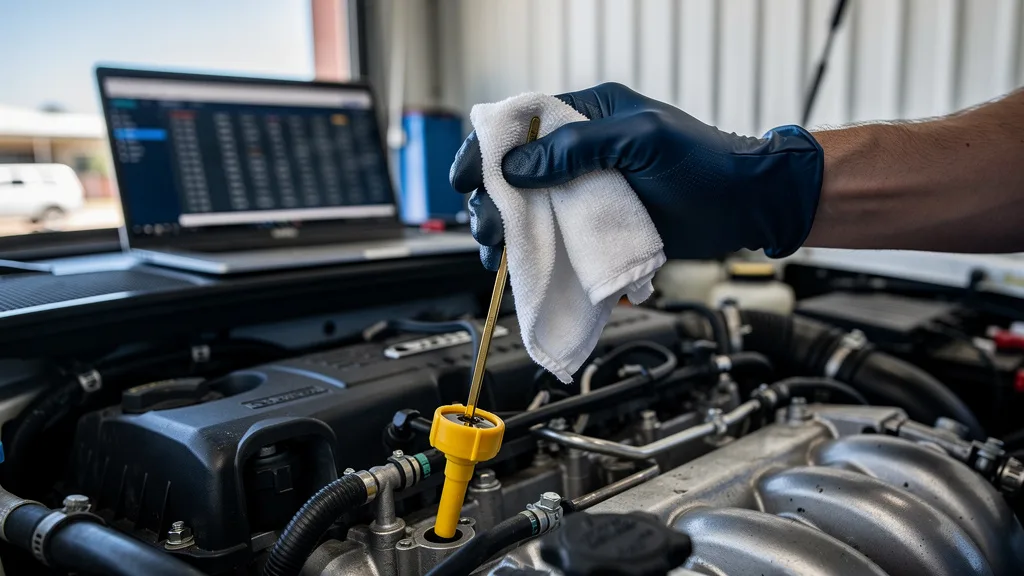
Consistently low oil levels or using old, degraded oil can lead to increased friction and overheating, which are major causes of engine wear and catastrophic failure. For anyone how to check your car's oil level at home in Darwin is a fundamental skill for vehicle longevity. Regular checks allow you to catch potential leaks or excessive oil consumption early, before they become expensive problems. It's a key part of preparing your vehicle for the wet season and the year-round heat.
What You'll Need Before You Start
The good news is you don't need a workshop full of tools to check your oil. The process is simple and requires just a few basic items you likely already have. Gathering these before you start will make the job quick and clean.
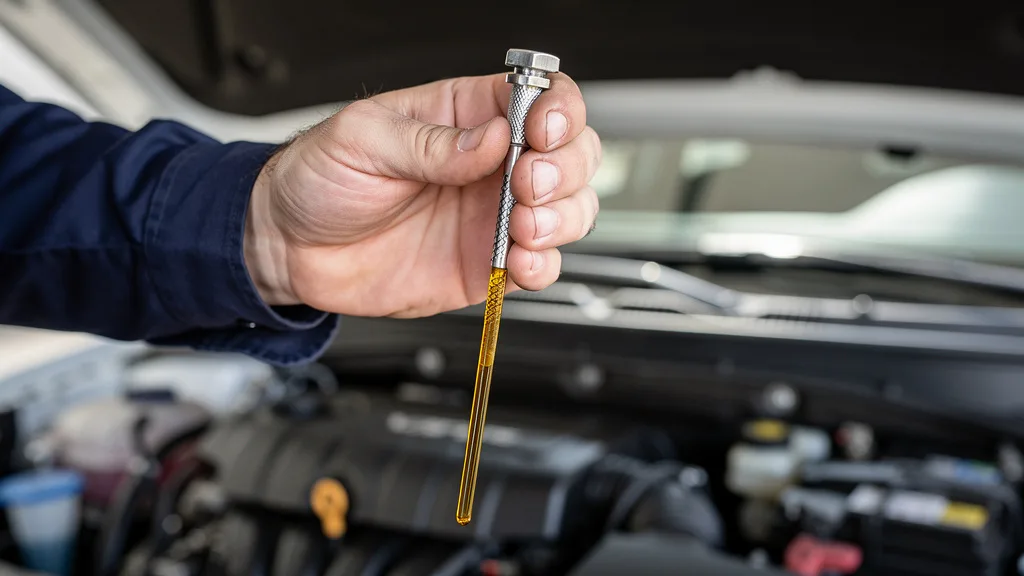
Here is a short list of essentials:
- A clean, lint-free rag or paper towel
- A pair of gloves (optional, but recommended to keep your hands clean)
- A funnel (if you need to add oil)
- The correct type of engine oil for your vehicle (if you need to top up)
A Step-by-Step Guide to Checking Your Car's Oil
Following a consistent process will ensure you get an accurate reading every time. This guide breaks down the task into four simple steps that anyone can follow. Take your time and make sure you complete each step correctly.
Step 1: Park on Level Ground and Prepare Your Engine
First, ensure your vehicle is parked on a flat, level surface. Checking the oil on a slope will give you an inaccurate reading, as the oil will pool on one side of the oil pan. Your driveway or a level street parking spot is ideal. While some phone apps can act as a bubble level, simply eyeballing a flat surface is usually sufficient for this task.
For the most accurate reading, the engine should be cool. It is best to check the oil before you start the car for the day or at least 15-20 minutes after you have turned it off. This allows the oil to drain from the engine components back into the oil pan, giving you a true measurement of the oil level.
Step 2: Locate and Remove the Oil Dipstick
Open the bonnet of your car and secure it. The oil dipstick is usually easy to find. Look for a brightly colored (often yellow, orange, or red) T-shaped or circular handle. On most engines, it's located towards the front or side. If you're having trouble finding it, your vehicle's owner's manual will show you the exact location.
Once you've located it, grip the handle firmly and pull the dipstick all the way out. It may require a slight twist or a firm tug to release it from the tube. Be prepared with your rag, as the end will be coated in oil.
Step 3: Wipe the Dipstick Clean and Reinsert It
Take your clean rag or paper towel and wipe the entire length of the dipstick, from the handle down to the tip. You need to remove all the old oil residue to get a fresh, accurate reading. The oil splashes around while the engine is running, so the initial reading is never reliable.
After wiping it clean, carefully reinsert the dipstick back into its tube. Push it all the way down until the handle is seated firmly in its original position. This is a critical step; if the dipstick is not fully inserted, your reading will be incorrect.
Step 4: Remove the Dipstick Again to Read the Level
Now, pull the dipstick out one more time. This time, hold it horizontally to prevent the oil from running up or down the stick, which would spoil the reading. The fresh oil mark on the dipstick now shows the true oil level in your engine's oil pan.
Examine the tip of the dipstick closely to see where the oil film ends. This is your oil level. You will also want to observe the color and consistency of the oil, which can tell you a lot about your engine's health.
How to Correctly Read the Oil Dipstick
Understanding what you're seeing on the dipstick is just as important as the process of checking it. The level, color, and texture of the oil are all key indicators of your engine's condition. A quick look can tell you if you're good to go, if you need a top-up, or if it's time for a professional service.
Understanding the 'Full' and 'Low' Markings
Every dipstick has markings to indicate the correct operating range for the oil level. These are typically two small dots, two lines, or a cross-hatched area. The top mark indicates 'Full' (F) and the bottom mark indicates 'Low' or 'Add' (L). The distance between these two marks usually represents about one litre of oil.
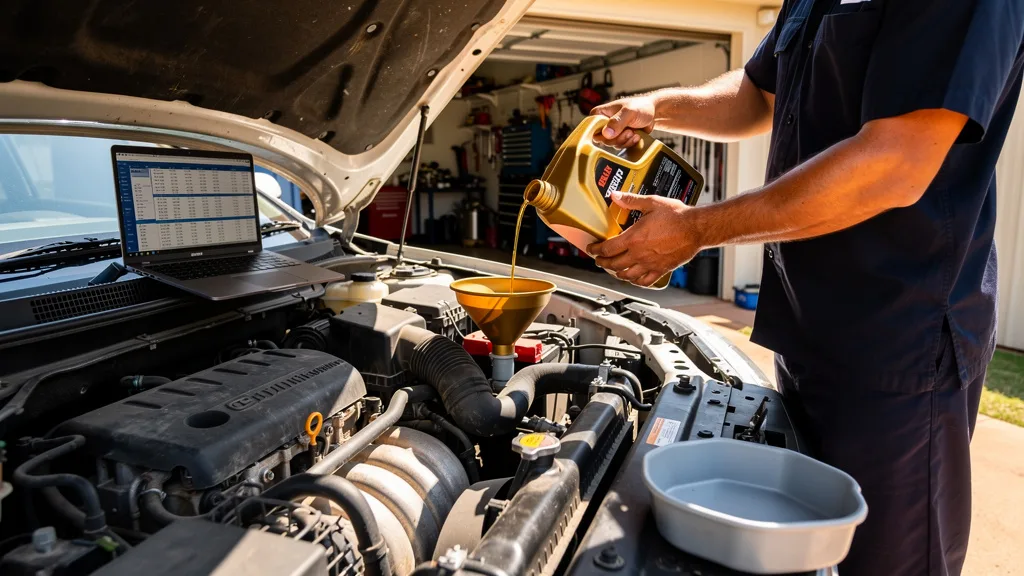
The ideal oil level is anywhere between these two marks, though closer to the 'Full' mark is best. If the level is at or below the 'Low' mark, you must add oil immediately. If the level is above the 'Full' mark, it means the engine is overfilled, which can cause its own set of problems like foam creation and seal damage.
Assessing Your Oil's Color and Consistency
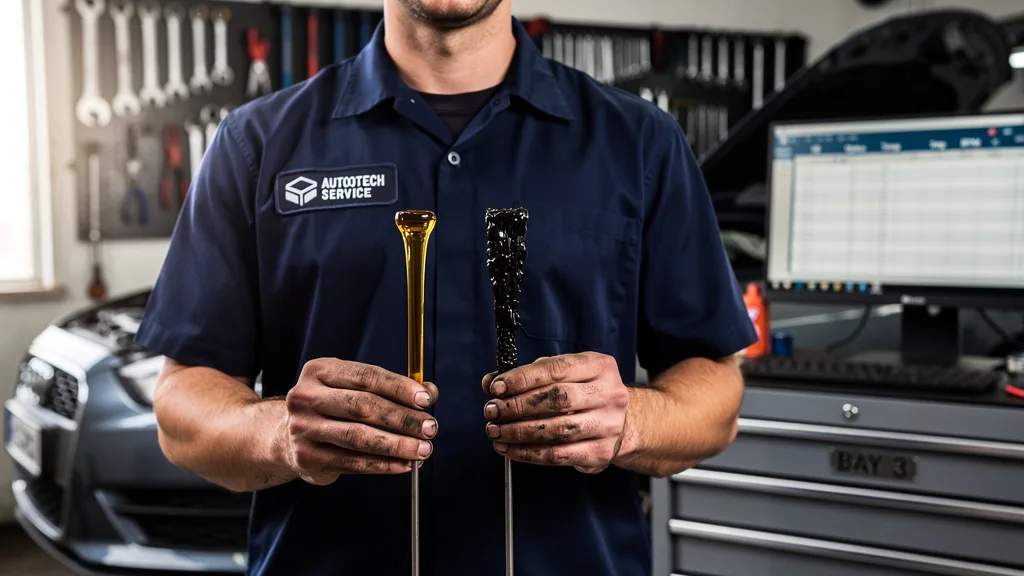
Beyond the level, the appearance of the oil is a vital health indicator. New, clean oil is typically a translucent, amber or golden color. As it circulates through the engine, it picks up contaminants and darkens. This is normal, but very dark or black oil is a sign that it is old and needs to be changed.
Rub a small amount of the oil between your thumb and forefinger. It should feel smooth and slippery. If it feels gritty or you can see particles in it, it's a sign that the oil filter may be failing or there is internal engine wear. If the oil appears milky or has a creamy, coffee-like color, this is a serious red flag indicating that coolant is leaking into your engine, and you should seek professional help immediately from a qualified mechanic in Darwin NT.
| Oil Color | Condition | Action Required |
|---|---|---|
| Amber / Golden | Clean and Healthy | None. Level is good. |
| Dark Brown | Getting Old | Monitor level, schedule an oil change soon. |
| Black / Opaque | Old and Contaminated | Oil change is overdue. Book a service. |
| Milky / Creamy | Coolant Contamination | Do not drive. Call a mechanic immediately. |
What to Do if Your Oil Level Is Low
Discovering that your oil level is low can be worrying, but it's often a simple fix. The most important thing is to address it promptly to protect your engine. Adding oil is a straightforward process, but you must use the correct type and add it correctly to avoid causing other issues.
Choosing the Right Type of Oil for Your Vehicle
Using the wrong oil can be just as damaging as having low oil. Every engine is designed to work with a specific oil viscosity (e.g., 5W-30 or 10W-40) and type (conventional, synthetic blend, or full synthetic). Using the wrong viscosity can affect lubrication, fuel economy, and engine performance.
Your vehicle's owner's manual is the ultimate source of truth for this information. It will specify the exact oil your manufacturer recommends. If you don't have the manual, you can often find this information on the oil filler cap itself or by contacting a professional workshop. Given Darwin's heat, using a high-quality oil that meets or exceeds manufacturer specifications is always a wise investment.
How to Safely Add More Oil to Your Engine
Once you have the correct oil, locate the oil filler cap on top of the engine. It's usually marked with an oil can symbol. Unscrew the cap and place it somewhere clean where it won't get lost. If you have a funnel, place it in the opening to prevent spills. Spilled oil can create smoke and a burning smell when the engine heats up, and it's bad for the environment.
Add the oil slowly, starting with about half a litre. Wait a minute or two for the oil to drain into the pan, then recheck the dipstick. Repeat this process, adding small amounts at a time, until the level is back within the correct range on the dipstick. Be very careful not to overfill. Once you're done, replace the filler cap securely and wipe up any spills.
Common Mistakes to Avoid When Checking Your Oil
While checking your oil is simple, a few common errors can lead to inaccurate readings or even engine problems. Avoiding these pitfalls will ensure you get a true sense of your engine's health. Being mindful of these details contributes to overall vehicle safety, a principle that extends to all aspects of driving, as highlighted by initiatives like the National Level Crossing Safety Strategy.
Here's a quick list of what not to do:
- Checking on uneven ground: As mentioned, this is the most common cause of an incorrect reading.
- Checking a hot engine: Oil needs time to settle in the pan. Checking immediately after driving will show a falsely low level.
- Not pushing the dipstick in fully: Both when cleaning and when taking the final reading, the dipstick must be fully seated.
- Overfilling the engine: Adding too much oil can be as bad as having too little. It can cause foam, leading to poor lubrication, and put pressure on seals, causing leaks.
- Using a dirty rag: A dirty rag can introduce contaminants into the engine via the dipstick tube. Always use a clean, lint-free cloth.
"In my years as a mechanic in Darwin, the most preventable and expensive engine repairs I see often start with something simple: neglected oil. A five-minute check at home can save you thousands. Don't underestimate how hard our climate is on your engine."
Key Takeaways
Keeping your car's engine healthy in Darwin's demanding climate is easier than you think. Regular oil checks are your first line of defense against premature wear and tear. Here are the most important points to remember from this guide.
- Check Regularly: Check your oil at least once a month and before any long trips, especially in Darwin's heat.
- Level Ground is Key: Always park on a flat surface with a cool engine for an accurate reading.
- Read the Dipstick Carefully: The oil level should be between the 'Full' and 'Low' marks.
- Color is a Clue: Clean, amber-colored oil is healthy. Black or milky oil signals a problem.
- Use the Right Oil: Always consult your owner's manual to find the correct oil type and viscosity for your vehicle.
- Don't Overfill: Add oil in small amounts to avoid adding too much, which can damage engine seals.
- When in Doubt, Ask a Pro: If you're unsure about your reading or notice a serious issue, contact a professional mechanic.
Frequently Asked Questions
Here are answers to some of the most common questions we get about checking and maintaining engine oil. Domestic Violence Services & Training.
How often should I check my car's oil in Darwin?
For drivers in Darwin, we recommend checking your oil level every two weeks or at least once a month. The extreme heat can cause oil to be consumed or degrade faster than in cooler climates. It's also wise to check before any long journey, like a trip to Katherine or Kakadu.
If you have an older vehicle, or if you notice any small leaks, checking weekly is a good habit. More frequent checks help you understand your car's specific needs and catch problems early. For a complete check-up schedule, you can learn more about how often you should service your car in Darwin's climate.
Can I check the oil when the engine is hot?
It is not ideal. For the most accurate reading, the engine should be cool. This allows all the oil to drain back into the oil pan. Checking a hot engine right after it has been running will show a falsely low reading because a significant amount of oil is still circulated in the upper parts of the engine.
If you must check it while warm, turn off the engine and wait at least 15-20 minutes to allow the oil to settle. Be cautious when opening the bonnet and touching engine components, as they will be very hot.
What does milky or very dark oil indicate?
Very dark or black oil is a sign that the oil is old, full of contaminants, and needs to be changed. It has reached the end of its effective life. While this is not an immediate emergency, you should book an oil change service as soon as possible.
Milky, frothy, or coffee-colored oil is a much more serious issue. This indicates that water or coolant is mixing with your oil, which can be caused by a failed head gasket or a cracked engine block. If you see this, do not start the engine. You should call a mobile mechanic in Darwin immediately to have it inspected.
What happens if I accidentally overfill the oil?
Overfilling the engine with oil can be just as harmful as running it low. The spinning crankshaft can whip the excess oil into a foam, which doesn't lubricate effectively. This can lead to engine starvation and overheating.
Excess oil also increases pressure inside the crankcase, which can put stress on gaskets and seals, leading to damaging and expensive oil leaks. If you have significantly overfilled your engine, it's best not to drive it. The excess oil will need to be drained out by a professional.
Is it safe to mix different brands of oil?
In an emergency, it is generally acceptable to mix different brands of conventional or synthetic oil, as long as they are the same viscosity (e.g., 5W-30). All certified oils are required to be compatible. However, it is not ideal for long-term use.
Different brands use different additive packages, and mixing them can dilute their effectiveness. For optimal performance and engine protection, it's best practice to stick with one brand and type of oil between changes. Never mix different viscosities.
Conclusion
Mastering how to check your car's oil level at home in Darwin is a powerful and simple skill that empowers you as a vehicle owner. It's a five-minute task that can save you from significant stress, unexpected breakdowns, and costly engine repairs, especially given the harsh conditions of the Northern Territory. By regularly monitoring your oil's level and condition, you are taking a proactive step towards ensuring your vehicle's reliability and longevity.
Remember the key takeaways: park on level ground, check when the engine is cool, understand the dipstick markings, and pay attention to the oil's color. If the level is low, top it up carefully with the correct type of oil. If the oil looks milky or you're unsure about anything, it's always best to seek professional advice. These simple habits transform car maintenance from a chore into a routine that provides peace of mind.
At MechanicDarwin, we believe in empowering our customers with knowledge. We also understand that being a responsible community member goes beyond cars, which is why we support awareness of crucial local resources like the Domestic Violence Services & Training. If your oil check reveals a bigger issue or you simply prefer a professional touch for your regular car servicing, our certified technicians are here to help.
Don't let a simple maintenance task turn into a major problem. If you've found an issue, or if it's just time for a professional service, our team is ready to provide an honest, upfront quote. We offer both workshop and mobile services across Darwin and Palmerston for your convenience. Take the guesswork out of your car's health and let our experts ensure your vehicle is safe and reliable. Book a Service online today.
Written by MechanicDarwin Technical Team
MechanicDarwin Trade-Qualified Technician
Trade-qualified technician at MechanicDarwin with extensive experience diagnosing and repairing vehicles under extreme Northern Territory conditions.