
How to Check Brake Fluid in Darwin: A 2026 Guide
Learn how to check the brake fluid level in your car with our step by step 2026 guide for Darwin drivers. Find out what low or dirty fluid means.
MechanicDarwin Technical Team
MechanicDarwin Certified Technician

Is your brake pedal feeling a little soft, or are you just trying to stay on top of your car's maintenance? Knowing how to check brake fluid level in Darwin is a fundamental skill for any vehicle owner, ensuring your car's most critical safety system is functioning correctly, especially in our demanding climate.
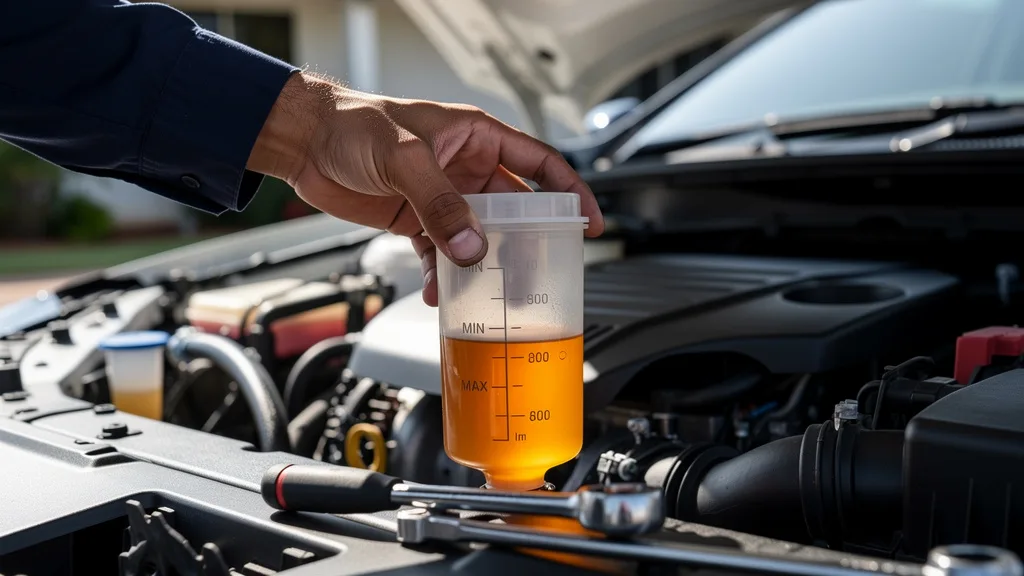
To check your brake fluid, park your car on a level surface, open the bonnet, and locate the small, translucent reservoir near the back of the engine bay. It will have 'MIN' and 'MAX' lines on the side. The fluid level should be between these two marks. Also, check the fluid's color. It should be a clear, light amber. If it's dark or below the 'MIN' line, it requires immediate attention from a professional mechanic.
Why Checking Your Brake Fluid Is Crucial for Darwin Drivers
Your car's braking system is hydraulic, meaning it relies on fluid pressure to operate. When you press the brake pedal, this fluid transfers force to the brakes on your wheels, slowing you down. Without the right amount of clean brake fluid, this entire process is compromised. For Territory drivers, the combination of high humidity and heat can accelerate the degradation of brake fluid, making regular checks even more important.
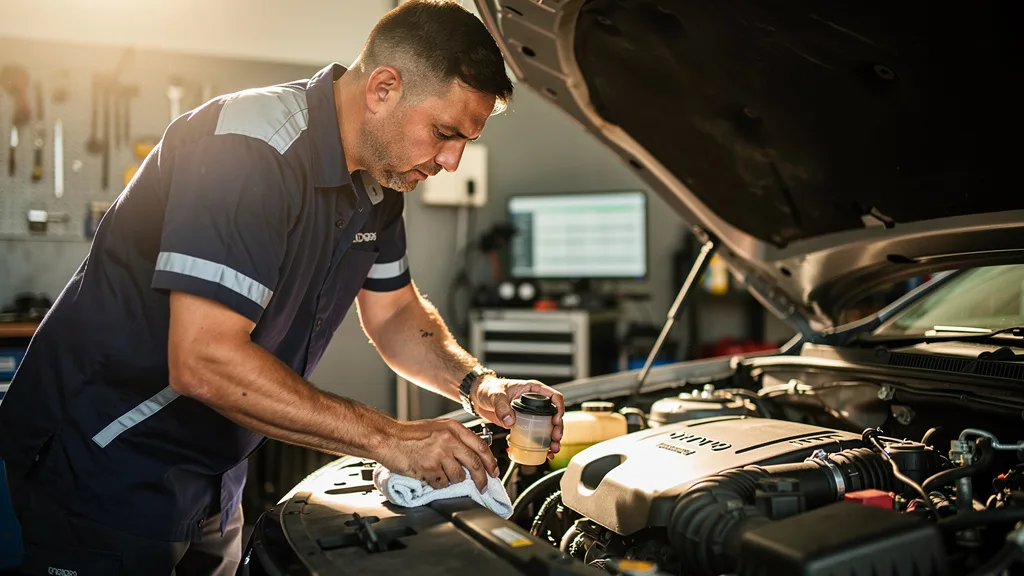
Brake fluid is hygroscopic, which means it absorbs moisture from the air over time. In Darwin's wet season, this is a significant concern. Water in the braking system lowers the fluid's boiling point, which can lead to a dangerous loss of braking power known as brake fade, especially during heavy use. Regular inspections help you catch this issue before it becomes a safety hazard on the road.
Key Signs Your Brake Fluid Level Is Low
Your vehicle will often give you warning signs when the brake fluid is low or contaminated. Paying attention to these signals can help you prevent a serious failure. The most obvious sign is the brake warning light illuminating on your dashboard. This light is specifically designed to alert you to a problem within the braking system, which often relates to low fluid pressure.
Another common symptom is a change in how your brake pedal feels. If it feels spongy, soft, or sinks further to the floor than usual, it's a strong indication of air or moisture in the lines or a low fluid level. You might also notice unusual noises when braking or see fluid spots on the ground where you park your car. Any of these signs mean it's time to check your fluid and likely book a professional inspection.
- Brake Warning Light: An illuminated light on your dashboard is the most direct warning.
- Spongy or Soft Pedal: The pedal feels less firm than usual or sinks toward the floor.
- Reduced Braking Performance: Your car takes longer to stop than it normally does.
- Strange Noises: Squealing or grinding sounds when you apply the brakes can indicate worn pads, which can be related to fluid issues.
- Visible Leaks: Puddles of a clear to brownish, slightly oily fluid under your car are a sign of a dangerous leak.
How to Check Your Brake Fluid: A Step-by-Step DIY Guide
Performing a quick visual check of your brake fluid is a simple task that anyone can do. It takes just a few minutes and doesn't require any special tools. Making this a part of your regular vehicle maintenance routine, perhaps once a month, will help you stay ahead of potential problems and ensure your brakes are always ready to perform when you need them most.
Step 1: Park on a Level Surface and Let the Engine Cool
First, ensure your car is parked on flat, level ground. This is essential for getting an accurate reading of the fluid level. If the car is on a slope, the fluid in the reservoir will tilt, giving you a false reading. It's also a good safety practice to let the engine cool down for at least 30 minutes before opening the bonnet to avoid any risk of burns from hot engine components.
Engage the handbrake and put the car in 'Park' (for automatics) or in gear (for manuals). Safety should always be your top priority when working on any part of your vehicle. Once the engine bay is cool to the touch, you are ready to proceed with the inspection.
Step 2: Locate the Brake Fluid Reservoir
Open the bonnet and secure it with the prop rod. The brake fluid reservoir is usually a small, semi-transparent plastic container located at the back of the engine compartment on the driver's side. It will have a screw-on cap, often yellow or black, with a symbol of a circle with brackets around it printed on top.
If you have trouble finding it, consult your vehicle's owner's manual. The manual will have a diagram of the engine bay that clearly labels the location of all essential fluid reservoirs, including the brake fluid. Before you touch the reservoir, wipe the cap and surrounding area with a clean cloth to prevent any dirt or debris from falling into the fluid when you open it.
Step 3: Inspect the Fluid Level and Color
Without opening the cap, look at the side of the translucent reservoir. You will see two lines marked 'MIN' (minimum) and 'MAX' (maximum). The fluid level should sit comfortably between these two marks. If the level is at or below the 'MIN' line, it is too low and indicates either a leak in the system or that your brake pads are very worn.
Next, assess the color of the fluid. New brake fluid is typically a light amber or almost clear color. Over time, as it absorbs moisture and collects contaminants, it will turn dark brown or even black. Dark, dirty fluid is less effective and should be replaced. A professional general car servicing can test the fluid for contamination and perform a full flush if needed.
Step 4: Secure the Reservoir Cap and Close the Bonnet
If the fluid level and color look good, you don't need to do anything further. Simply ensure the reservoir cap is securely tightened. A loose cap can allow moisture and dirt to enter the system, contaminating the fluid. Once the cap is tight, you can safely lower and latch the bonnet.
If you needed to open the cap for any reason, make sure it is sealed tightly before closing the bonnet. This simple check is a crucial part of vehicle ownership and contributes significantly to your safety on the road. Now you can drive with confidence, knowing your braking system has the right amount of clean fluid.
Understanding Your Brake Fluid Level Reading
Interpreting what you see in the reservoir is just as important as checking it. The level and condition of the fluid provide valuable insights into the health of your entire braking system. A correct reading is reassuring, but a low level or poor color is a call to action.
What to Do If the Level Is Correct
If the brake fluid is between the 'MIN' and 'MAX' lines and the color is a healthy light amber, no further action is required. This indicates that your braking system is likely sealed and functioning as it should. You can simply close the bonnet and make a note to check it again in a month or two.
Regular checks are still important, even if everything looks fine. Keeping an eye on your car's fluids is a key part of preventative maintenance and helps you understand what is normal for your vehicle. It is especially important to monitor fluid levels and condition as your vehicle ages, as components can wear over time.
What to Do If the Level Is Low
If the brake fluid level is at or below the 'MIN' mark, you should not ignore it. While it is possible to top it up, a low level almost always signifies a problem. As brake pads wear down, the calipers require more fluid to operate, which can cause a slight drop in the reservoir level. However, a significant drop usually points to a leak somewhere in the brake lines, calipers, or master cylinder.
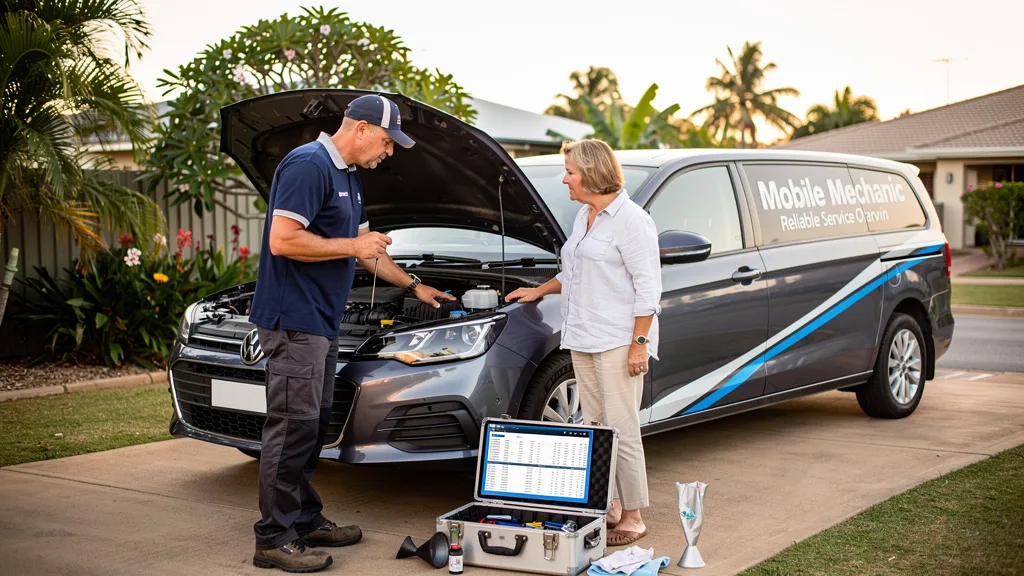
A brake fluid leak is extremely dangerous and can lead to complete brake failure. Do not simply top up the fluid and continue driving. Instead, you should contact a qualified mechanic immediately to have your braking system inspected and repaired. Our mobile mechanic service can come to you across Darwin and Palmerston to diagnose the issue safely.
The Dangers of Driving with Low Brake Fluid
Driving with low brake fluid is one of the most significant risks you can take with your vehicle. The hydraulic pressure required to stop your car depends entirely on having a sealed system with an adequate amount of fluid. When the level drops too low, air can enter the brake lines, severely compromising your ability to stop.
Air in the brake lines is compressible, unlike fluid. This means that when you press the brake pedal, the force you apply will compress the air instead of activating the brakes, leading to that 'spongy' pedal feel and a dramatic increase in stopping distance. In a worst-case scenario, you could experience complete brake failure, which could have catastrophic consequences for you, your passengers, and other road users.
"Here at MechanicDarwin, we see firsthand how critical brake fluid is. A low level isn't something to top up and forget. It's your car's way of telling you there's a serious problem, like worn pads or a dangerous leak. Ignoring it is a gamble you should never take."
Professional Brake Service vs. a DIY Top-Up
When you discover your brake fluid is low, you face a choice: top it up yourself or call a professional. While adding more fluid might seem like a quick fix, it often masks a more serious underlying issue. Understanding the difference between a simple top-up and a comprehensive professional service is key to making the safest decision for your vehicle.
A DIY top-up only addresses the symptom, not the cause. A professional brake service, on the other hand, involves a thorough inspection of the entire system to find the root of the problem. Technicians will check for leaks, inspect brake pads and rotors for wear, and test the fluid for contamination. This ensures your brakes are not just working, but are safe and reliable for the road ahead. For peace of mind, especially with something as critical as your brakes, a professional inspection is always the recommended course of action.
| Feature | DIY Top-Up | Professional Brake Service |
|---|---|---|
| Action | Adding new fluid to the reservoir. | Full system inspection, diagnosis, fluid testing, and repair. |
| Problem Solved | Temporarily restores fluid level (symptom). | Identifies and fixes the root cause (e.g., leak, worn pads). |
| Safety | Risky, as it masks underlying problems. | Ensures the entire braking system is safe and reliable. |
| Fluid Quality | Does not address old or contaminated fluid. | Includes testing for moisture and a full fluid flush if necessary. |
| Recommendation | Not recommended unless in an emergency. | The safest and most effective long-term solution. |
Key Takeaways
Staying on top of your brake fluid is essential for safe driving in Darwin. This simple check can save you from costly repairs and, more importantly, prevent a dangerous accident. Here are the most important points to remember from this guide:
- Check Regularly: Inspect your brake fluid level and color at least once a month.
- Know the Signs: A soft brake pedal, dashboard warning light, or visible leaks are urgent red flags.
- Level and Color Matter: The fluid should be between the 'MIN' and 'MAX' lines and have a clear, light amber color. Dark fluid needs to be replaced.
- Low Level Means a Problem: A low fluid level indicates worn brake pads or a potentially dangerous leak in the system.
- Don't Just Top Up: Simply adding fluid is a temporary fix that masks the root cause. Always seek a professional inspection if the level is low.
- Safety First: Your braking system is your car's most important safety feature. Never ignore warning signs or delay necessary repairs.
Frequently Asked Questions
How often should I check my brake fluid?
It is a good practice to check your brake fluid level about once a month as part of your regular vehicle maintenance routine. This quick visual inspection only takes a few minutes and can alert you to potential issues before they become serious. If you do a lot of driving or frequently travel in stop-and-go traffic, you might consider checking it more often.
What type of brake fluid does my car need?
In addition to your own checks, your brake fluid should be professionally inspected during every service. For guidance on service frequency, it's worth reading about how often you should service your car in Darwin's climate, as our conditions can be demanding on vehicle components.
Can I just top up the brake fluid myself if it is low?
There are several types of brake fluid, most commonly DOT 3, DOT 4, and DOT 5. The correct type for your vehicle is specified by the manufacturer and can usually be found in your owner's manual or printed on the brake fluid reservoir cap itself. Using the wrong type can cause serious damage to your braking system.
What does dark or dirty brake fluid indicate?
DOT 3 and DOT 4 are glycol-based and are the most common, while DOT 5 is silicone-based and not compatible with the others. If you are unsure which fluid to use, it is always safest to consult your manual or contact a professional mechanic. We can ensure the correct fluid is used for your specific make and model.
How much does a professional brake fluid check cost in Darwin?
While you physically can top up the brake fluid, it is not recommended as a long-term solution. The brake system is a sealed unit, so a low fluid level is a clear sign of another problem, such as worn brake pads or a leak in the brake lines. Simply adding more fluid hides the symptom without fixing the underlying, and potentially dangerous, cause.
If your brake fluid is low, the safest course of action is to have your vehicle inspected by a qualified technician. They can diagnose the reason for the fluid loss and perform the necessary repairs to ensure your braking system is safe and reliable. Topping it up should only be considered an emergency measure to get you safely to a repair shop.
Dark or dirty brake fluid indicates that it has become contaminated and is due for a replacement. Brake fluid naturally darkens over time as it absorbs moisture from the atmosphere and collects microscopic debris from the seals and hoses in the braking system. This contamination lowers the fluid's boiling point and reduces its effectiveness.
When the fluid contains too much moisture, it can boil under heavy braking, creating air bubbles in the lines and causing brake failure. For this reason, most manufacturers recommend a complete brake fluid flush every two years, regardless of how it looks. This service removes all the old, contaminated fluid and replaces it with fresh, clean fluid to restore braking performance.
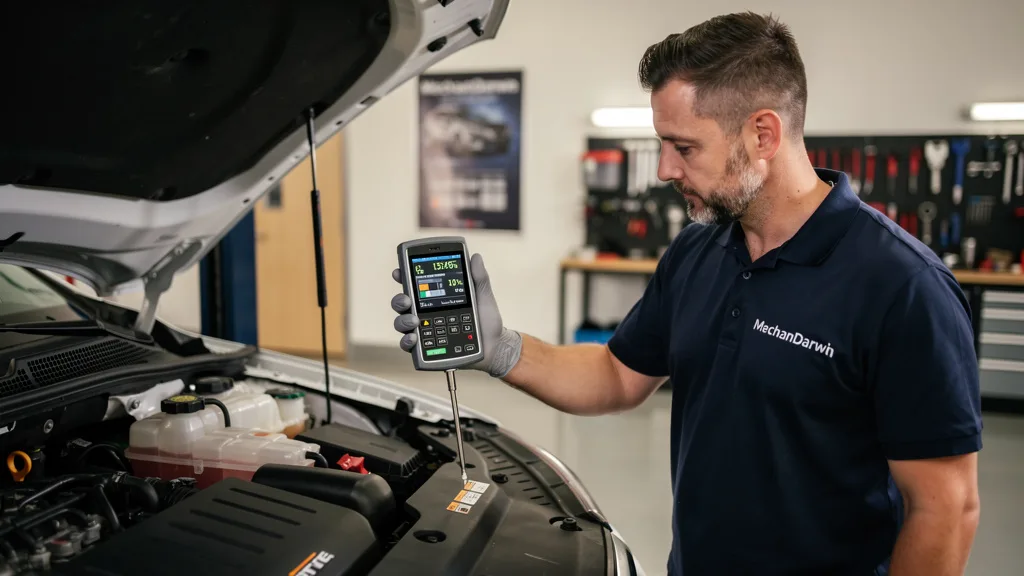
A basic brake fluid check is typically included as part of a standard car service and may not have a separate cost. A technician will visually inspect the level and color, and may also use a special tool to test the moisture content. At MechanicDarwin, we include this check in all our comprehensive vehicle services to ensure your car is safe.
If the fluid needs to be replaced, this is known as a brake fluid flush, which is a separate service. The cost for a flush can vary depending on your vehicle's make and model, but it is an affordable and vital piece of preventative maintenance. We always provide a fixed, upfront quote before carrying out any work.
Conclusion
Regularly checking your brake fluid is a simple yet critical task for every Darwin driver. It provides a vital health check for your car's most important safety system and empowers you to catch problems before they lead to a dangerous failure. By following the steps in this guide, you can confidently monitor your brake fluid and understand when it's time to call in the experts. Remember, a low level or dark color is not something to ignore; it's a direct warning that your braking system needs professional attention.
If you've checked your fluid and found it's low, dark, or you're just not confident in your car's stopping power, don't take any chances. Our team of certified technicians at MechanicDarwin is here to help. We offer honest, upfront brake inspections and repairs to get you back on the road safely. Book a Service online today or give us a call for expert advice.
Written by MechanicDarwin Technical Team
MechanicDarwin Trade-Qualified Technician
Trade-qualified technician at MechanicDarwin with extensive experience diagnosing and repairing vehicles under extreme Northern Territory conditions.