
Essential Car Check Tools for Every Darwin Driver in 2026
Equip yourself with the essential tools every Darwin driver needs for basic car checks in 2026. Learn to check tyres, fluids, and more to stay safe on NT roads.
MechanicDarwin Technical Team
MechanicDarwin Certified Technician

Essential Tools for Basic Car Checks in Darwin for 2026
Are you prepared for the unique challenges of driving in the Top End? A simple issue, easily spotted with a quick check, can quickly escalate in Darwin's heat and remote conditions. Having the right knowledge and a few key items on hand can be the difference between a minor inconvenience and a major breakdown on the side of the Stuart Highway.
The essential tools every Darwin driver should have for basic car checks include a reliable tyre pressure gauge, a tread depth gauge, clean rags, a funnel, protective gloves, and a good torch. This basic kit empowers you to perform crucial safety inspections on your tyres, lights, and fluids, ensuring your vehicle remains safe and reliable. Regularly checking these components is the first step in proactive car maintenance, helping you catch warning signs early and avoid expensive repairs.
Your Essential Toolkit for Basic DIY Car Maintenance
Building a small, dedicated toolkit for your vehicle is a smart investment that pays dividends in safety and peace of mind. You don't need a professional mechanic's entire chest of tools, just a few key items to handle the most common and important DIY car maintenance checks. Keeping these tools in your car or garage makes it easy to form a habit of regular inspections.
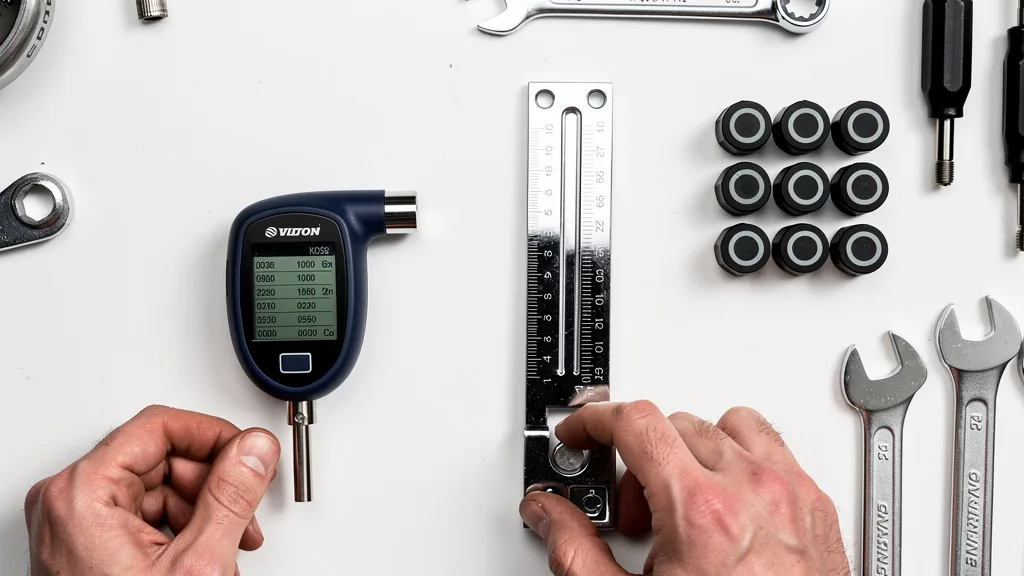
This kit is your first line of defence in identifying potential issues before they become serious problems. A good understanding of your vehicle's general condition starts with having the right equipment to perform consistent checks. Many common roadside problems can be prevented with just a few minutes of inspection each month.
Tyre Safety and Pressure Tools
Your tyres are the only part of your car in contact with the road, making their condition paramount to your safety. The first tool you need is a high-quality tyre pressure gauge. Whether you choose a simple pencil-style gauge, a classic dial gauge, or a modern digital one, accuracy is key. Correct tyre pressure ensures optimal handling, braking, and fuel efficiency, and it reduces the risk of a blowout, especially on hot NT roads.
Next, a tread depth gauge is an inexpensive but vital tool. It allows you to accurately measure the remaining tread on your tyres, ensuring you have enough grip for both dry and wet conditions. While a 20-cent coin can give you a rough idea, a proper gauge provides a precise measurement. For added convenience, a small, portable 12V air compressor that plugs into your car's accessory socket can be a lifesaver if you find a tyre is low on pressure and you're far from a service station.
Fluid and Level Check Equipment
Checking your car's fluids is another core component of basic maintenance. To do this cleanly and accurately, you'll need a few specific items. A supply of lint-free rags or paper towels is non-negotiable for wiping dipsticks clean to get an accurate reading of your engine oil and transmission fluid. They are also useful for cleaning up any minor spills.
A good quality torch, preferably a bright LED one, is indispensable for looking into the dark corners of your engine bay. Many fluid reservoirs are made of dark or opaque plastic, and a torch helps you clearly see the fluid levels against the 'MIN' and 'MAX' markings. Finally, a set of funnels with at least one long-necked option will help you top up fluids like windscreen washer solution or coolant without spilling them onto sensitive engine components.
General Purpose and Safety Gear
Beyond specific check-up tools, some general gear will make the process safer and easier. A pair of disposable nitrile gloves will keep your hands clean from oil, grease, and other chemicals. Safety glasses are also highly recommended to protect your eyes from splashes or debris, especially when working under the bonnet.
Your vehicle's owner's manual is one of the most important tools you can have. It contains specific information about fluid types, tyre pressures, and maintenance schedules for your exact make and model. Keeping it in the glovebox ensures you always have this critical information on hand. Consider adding a basic socket and spanner set for simple tasks like tightening a loose battery terminal clamp.
Pre-Drive Safety Checks You Can Perform in Minutes
Before heading out, especially on a longer journey, a quick five-minute safety inspection can prevent a majority of common roadside issues. Integrating these simple safety checks into your routine gives you confidence that your vehicle is in good working order. It's a small time commitment for a huge return in safety and reliability.

These checks don't require any advanced mechanical knowledge and focus on the most critical systems for safe operation. Think of it as a quick walk-around inspection to spot any obvious problems. This is particularly important in the NT, where help can be a long way off.
Checking Your Tyre Pressure and Tread Wear
Always check your tyre pressure when the tyres are cold for an accurate reading. Unscrew the valve cap, press your pressure gauge firmly onto the valve stem, and note the reading. Compare this to the recommended pressure listed on the placard inside your driver's side door jamb, not the pressure written on the tyre's sidewall. Adjust the pressure as needed at a service station or with your portable compressor.
While checking the pressure, visually inspect the tyres for any cuts, bulges, or embedded objects. To check the tread, use your tread depth gauge in several spots across the tyre's width. The legal minimum tread depth in Australia is 1.5mm, but for safety in wet conditions, it's wise to consider replacement once the tread wears down to 3mm. This is especially true when preparing for the wet season in Darwin.
Inspecting Headlights, Brake Lights, and Indicators
Ensuring all your lights are working is a legal requirement and a critical safety function, allowing you to see and be seen. Turn on your headlights (both low and high beam), and walk around the vehicle to confirm they and your tail lights are illuminated. Test your left and right indicators and hazard lights as well.
Checking your brake lights can be done by one person. The easiest method is to reverse your car towards a reflective surface like a garage door or shop window at night and press the brake pedal while watching in your rearview mirror. Alternatively, you can place a heavy object like a brick or a piece of wood on the brake pedal to activate the lights while you check from the rear of the vehicle.
Testing Windscreen Wipers and Washer Fluid
Functional windscreen wipers are essential for visibility during tropical downpours and for clearing dust in the dry season. Activate your wipers and watch for any skipping, streaking, or smearing, which indicates the rubber blades are worn and need replacement. Also, listen for any scraping noises that could suggest the wiper arms are damaged.
Next, test your windscreen washers to ensure they spray a strong, even pattern onto the glass. Pop the bonnet and locate the washer fluid reservoir, which is usually a translucent container marked with a windscreen/water symbol. If the level is low, top it up with a dedicated washer fluid additive mixed with water, as this helps to cut through road grime and insects more effectively than plain water.
Under the Bonnet: Key Fluid Level Inspections
The fluids in your car are like its lifeblood, each performing a vital function for cooling, lubrication, and hydraulic operation. Regularly checking these fluid levels is one of the most important aspects of DIY car maintenance. Most checks are straightforward and can be done in minutes with your engine off and cool.
"Having a good understanding of your vehicle's general condition starts with having the right tools. A simple kit can help you catch problems early and prevent serious damage or expensive repairs down the track, which is why we always encourage drivers to learn these basic checks."
Before you begin, make sure your car is parked on level ground to ensure accurate readings. Always consult your owner's manual if you are unsure where a particular reservoir or dipstick is located. The table below summarises the key fluids you should be checking. brakes need attention.
| Fluid Type | How to Check | Recommended Action |
|---|---|---|
| Engine Oil | Dipstick (engine off, cool) | Top up if low; book service if very dark or gritty. |
| Coolant/Antifreeze | Reservoir level (engine cool) | Top up with correct type if below 'MIN' line. |
| Brake Fluid | Reservoir level (clear container) | If low or dark, book a professional check immediately. |
| Power Steering Fluid | Dipstick or reservoir markings | Top up if low, check for leaks. |
| Windscreen Washer | Reservoir level (visual check) | Top up as needed. |
| Transmission Fluid | Dipstick (engine running, warm) | Complex check; consult manual or a professional. |
How to Check Your Engine Oil Level
Engine oil lubricates moving parts and helps keep your engine cool. To check it, ensure your engine has been off for at least ten minutes. Locate the oil dipstick, which usually has a brightly coloured (often yellow or orange) handle. Pull the dipstick out completely and wipe it clean with a lint-free rag. Fully re-insert the dipstick, then pull it out again.
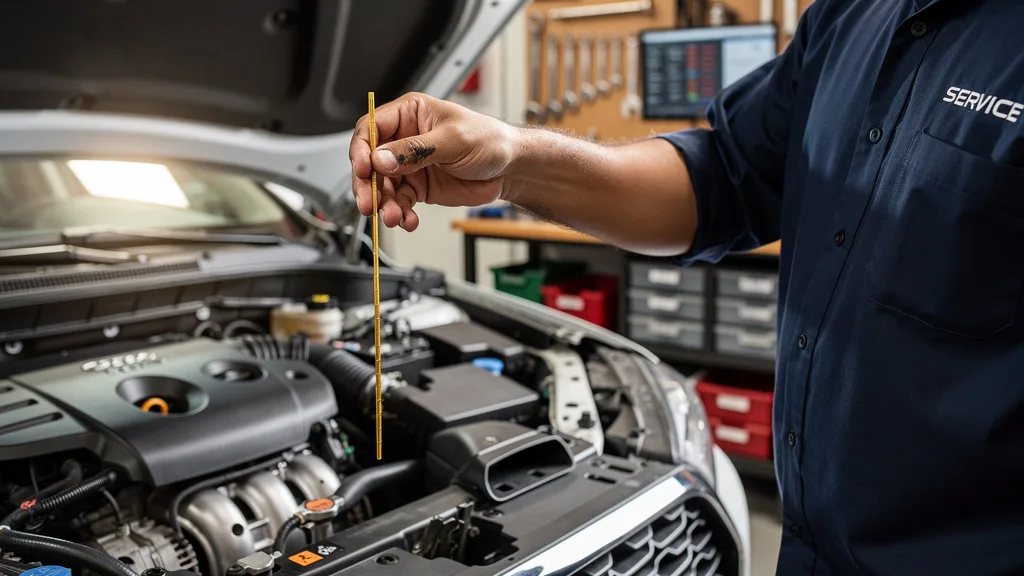
Observe the oil level on the end of the dipstick; it should be between the 'MIN' and 'MAX' or 'FULL' and 'ADD' markings. Also, note the colour of the oil. Fresh oil is a translucent amber colour, and while it will darken with use, if it is black, gritty, or milky, it's a sign your car is overdue for a general car service. If the level is low, top it up using the correct grade of oil as specified in your owner's manual.
Assessing Coolant and Radiator Fluid
Coolant, or antifreeze, prevents your engine from overheating, which is a constant risk in Darwin's climate. The most important rule is to never attempt to open the radiator cap when the engine is hot, as the system is highly pressurized and can cause severe burns. Instead, check the fluid level in the plastic coolant overflow reservoir, which is connected to the radiator by a hose.
When the engine is cool, the coolant level should be between the 'MIN' and 'MAX' lines marked on the side of the reservoir. If the level is low, you can top it up. It is critical to use the correct type of coolant specified for your vehicle. Mixing different types can cause chemical reactions that lead to corrosion and damage to your cooling system.
Checking Brake, Clutch, and Power Steering Fluids
Brake fluid is a hydraulic fluid that transmits the force from your foot on the pedal to the brakes on your wheels. Locate the brake fluid reservoir, which is usually a small, translucent container mounted on the firewall on the driver's side. The level should be between the 'MIN' and 'MAX' lines. If the brake fluid is low, it could indicate worn brake pads or a dangerous leak in the system, and you should have it inspected by a professional immediately.
Power steering fluid makes turning the steering wheel easier. Its reservoir may have a small dipstick attached to the cap or level markings on the side. Check the level and top up if necessary with the specified fluid. On manual transmission vehicles, the clutch often uses the same hydraulic fluid as the brakes, drawing from the same reservoir. Any issues with these critical systems warrant a visit to a qualified mechanic.
The Darwin Factor: Special Considerations for NT Drivers
Driving in Darwin and the wider Northern Territory presents a unique set of challenges for any vehicle. The combination of intense heat for most of the year, high humidity in the wet season, and dusty conditions in the dry season accelerates wear and tear on certain components. Being aware of these local factors is crucial for reliable motoring.
Long distances between towns also mean that self-reliance is key. A breakdown that might be a simple inconvenience in a southern city can become a serious situation in the Top End. These specific checks will help you prepare your vehicle for the demands of the NT environment.
Battery Health Checks for High Temperatures
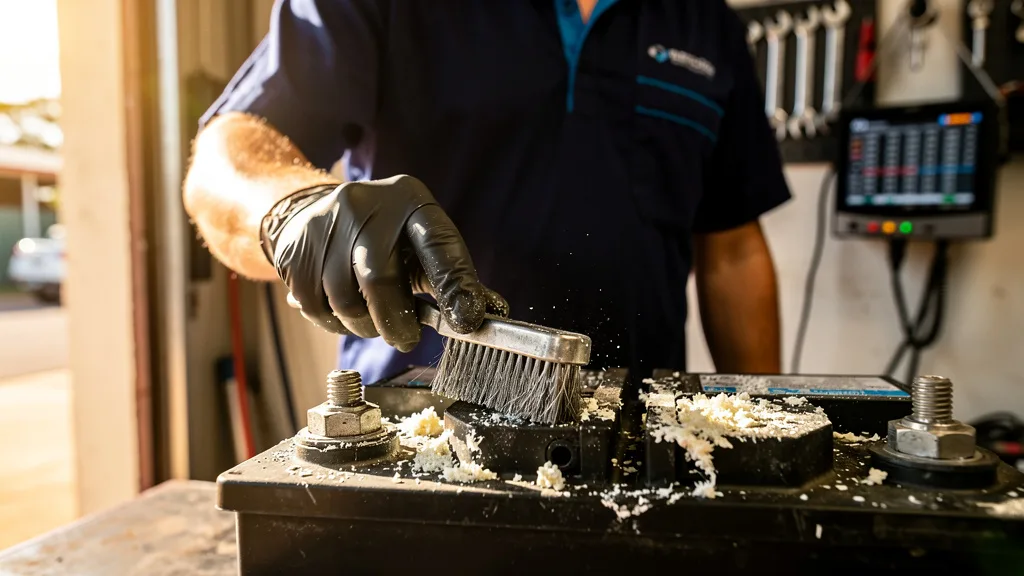
Extreme, sustained heat is a car battery's worst enemy, causing the fluid inside to evaporate and leading to internal damage. This is why batteries often have a shorter lifespan in Darwin compared to cooler climates. Visually inspect your battery terminals for any signs of corrosion, which typically looks like a white or bluish powdery substance. This buildup can interfere with the electrical connection and prevent your car from starting.
If you see corrosion, you can clean it off using a wire brush (while wearing gloves and safety glasses). Ensure the terminal clamps are tight and not moving. For a more advanced check, a simple multimeter can be used to test the battery's voltage. A healthy, fully charged car battery should read around 12.6 volts when the engine is off. If you notice your engine is slow to crank, it's a strong warning sign your battery may be failing.
Air Filter Inspections for Dusty Conditions
During the long dry season, dust is a constant presence on Darwin's roads. Your engine's air filter is responsible for preventing this dust and other debris from entering your engine, where it could cause significant wear and damage. A clogged air filter restricts airflow, which can reduce engine performance and increase fuel consumption.
Checking your air filter is usually a simple task. Locate the rectangular or circular air filter housing in the engine bay, which is typically held shut by several clips or screws. Open the housing, remove the filter element, and hold it up to a light. If you can't see light passing through the filter paper, it's clogged with dirt and needs to be replaced. These should be checked more frequently in the NT than the standard service interval might suggest.
Preparing Your Vehicle for Long-Distance Trips
Planning a trip to Kakadu, Litchfield, or further afield requires extra preparation. Perform all the pre-drive checks mentioned previously: tyres, lights, wipers, and all fluids. Pay special attention to your spare tyre. Ensure it is inflated to the correct pressure and that you have the jack and wheel brace that came with your vehicle.
Given the vast distances, it's wise to pack an emergency kit containing extra water (both for you and for the car's cooling system in an emergency), a first-aid kit, your toolkit, and a fully charged phone or satellite communication device. If you're not confident about your vehicle's condition, it's always best to have it inspected by a professional before you go. If you do find yourself in trouble, a mobile mechanic service can be invaluable.
What You Should Leave to a Qualified Professional
While DIY checks are excellent for preventative maintenance, it's crucial to recognise your limits and know when a job requires a qualified professional. Attempting complex repairs without the proper training, tools, and safety equipment can lead to further damage, expensive mistakes, or serious personal injury. Your safety and your vehicle's integrity are paramount.
As a general rule, any task that involves dismantling major systems, requires specialised diagnostic equipment, or impacts primary safety systems should be left to a licensed mechanic. Our team at MechanicDarwin has the certified training and equipment to handle these jobs safely and correctly. For a full list of our capabilities, you can review our auto repair services.
- Brake System Repairs: This includes replacing brake pads, rotors, or callipers, and bleeding the brake fluid. The brake system is your car's most important safety feature and must be serviced correctly.
- Suspension and Steering Work: Replacing components like shock absorbers, control arms, or tie rod ends requires specialised tools and precise alignment afterwards.
- Timing Belt/Chain Replacement: This is a complex job where a small mistake can lead to catastrophic engine failure.
- Air Conditioning System Service: The refrigerant in A/C systems is a hazardous substance that requires a special license and equipment to handle legally and safely.
- Transmission and Internal Engine Repairs: Any work inside the engine block or transmission is highly complex and not a DIY task.
- Diagnosing Warning Lights: While you can note that a warning light is on, a professional needs to use a diagnostic scan tool to read the fault codes and accurately identify the problem.
Key Takeaways
Staying on top of your car's health doesn't have to be complicated. By focusing on a few key areas, any Darwin driver can significantly improve their vehicle's safety and reliability. Here are the most important points to remember from this guide:
- A Basic Toolkit is Essential: Your kit should include a tyre pressure gauge, tread depth gauge, clean rags, a torch, and gloves. These simple tools enable most basic checks.
- Perform Regular Pre-Drive Checks: A five-minute walk-around to check tyres, lights, and wipers can prevent the most common causes of breakdowns.
- Fluids are Your Car's Lifeblood: Regularly checking engine oil, coolant, and other fluids is critical for engine health, especially in Darwin's demanding climate.
- The Darwin Factor is Real: Pay extra attention to your battery's health and your engine's air filter, as the local heat and dust accelerate wear.
- Know When to Call a Pro: While DIY checks are valuable, always leave complex and safety-critical repairs like brakes, steering, and engine work to a qualified mechanic.
Frequently Asked Questions
Here are answers to some of the most common questions we receive about basic car maintenance and checks.
What are the 7 basic fluids of a car?
The seven essential fluids that keep a typical car running smoothly are engine oil, coolant (antifreeze), power steering fluid, brake fluid, transmission fluid, windscreen washer fluid, and, for many manual cars, clutch fluid. Some modern vehicles have sealed systems or electric power steering, but these seven cover the majority of cars on the road today.
Each fluid has a specific job, from lubrication and cooling to hydraulic pressure. Checking their levels and condition regularly is a fundamental part of preventative maintenance that helps ensure the longevity and reliability of your vehicle.
How often should I perform these basic car checks?
A good routine is to perform a quick visual inspection of your lights and tyres once a week. A more thorough check of all fluids, tyre pressures, and tread depth should be done at least once a month and always before embarking on a long-distance trip. This frequency helps you spot slow leaks or gradual wear before they become urgent problems.
In Darwin's harsh environment, you may want to check things like your air filter and battery condition more frequently, especially during the peak of the dry season or a heatwave. Consistency is the key to effective preventative maintenance.
What is the correct tyre pressure for my car?
The correct tyre pressure is specified by your vehicle's manufacturer, not the tyre company. You can find this information on a placard or sticker located inside the driver's side door jamb, in the glovebox, or inside the fuel filler door. The placard will list the recommended pressures for the front and rear tyres, often for both normal and heavy load conditions.
It is crucial to use the pressure listed on this placard, not the maximum pressure rating stamped on the tyre's sidewall. The sidewall number indicates the maximum pressure the tyre can safely hold, not the optimal pressure for your specific vehicle.
Can I use any type of coolant or oil in my car?
No, you absolutely cannot. Using the wrong type of fluid can cause serious and expensive damage to your vehicle. Modern engines and cooling systems are designed to work with very specific formulations. Your owner's manual will state the exact specification of engine oil (e.g., 5W-30 synthetic) and coolant (e.g., OAT, HOAT) that your car requires.
Mixing different types of coolant can cause it to gel, clogging your radiator and leading to overheating. Using the wrong viscosity or type of oil can lead to inadequate lubrication and premature engine wear. Always double-check and use only the manufacturer-recommended fluids.
What are the warning signs of a failing car battery?
The most common sign of a failing battery is a slow, sluggish engine crank when you try to start the car. You might also hear a clicking sound when you turn the key. Other signs include headlights that dim when the engine is idling but brighten when you rev it, or a battery warning light appearing on your dashboard.
Visually, check for a swollen or distorted battery case, which can be caused by excessive heat. Also, look for heavy corrosion on the terminals. If you experience any of these symptoms, it is wise to have your battery and charging system tested by a professional before you get stranded.
Conclusion
Equipping yourself with these essential tools every Darwin driver should have for basic car checks and the knowledge to use them is the most effective way to ensure your vehicle remains safe and dependable on Top End roads. Performing regular inspections of your tyres, lights, and fluids empowers you to catch small issues before they become costly, dangerous breakdowns. This proactive approach to car care is not just about saving money, it's about ensuring your safety and the safety of others on the road.
While these DIY checks are vital, they are a complement to, not a replacement for, professional servicing. If you spot an issue during your checks, or if your car is due for its regular maintenance, our team of qualified technicians is here to help. We provide honest, upfront quotes for all work to keep you driving with confidence. Ensure your vehicle is ready for anything the NT throws at it. Book a Service with MechanicDarwin today.
Written by MechanicDarwin Technical Team
MechanicDarwin Trade-Qualified Technician
Trade-qualified technician at MechanicDarwin with extensive experience diagnosing and repairing vehicles under extreme Northern Territory conditions.