
Diesel vs. Petrol Engines: Which Lasts Longer in Darwin
Deciding between a diesel vs petrol engine in Darwin? Our 2026 guide compares longevity, towing, fuel costs, and maintenance for NT's climate.
MechanicDarwin Technical Team
MechanicDarwin Certified Technician

When choosing a vehicle for the Top End, are you making the right decision for the long haul? The petrol versus diesel debate is a constant topic around Darwin, and for good reason. Your engine choice has a huge impact on your vehicle's lifespan, running costs, and capability, especially in our demanding environment.
Generally, a diesel vs petrol engine: which lasts longer in Darwin? comes down to build quality and usage. Diesel engines are constructed for higher stress and typically last longer, particularly if you do a lot of towing or long-distance touring. Petrol engines, while often cheaper to buy and maintain for city driving, may not offer the same ultimate durability under the heavy-load conditions common in the Northern Territory. The best choice depends entirely on your driving habits and priorities.
Engine Longevity Factors in Darwin's Unique Climate
Driving in Darwin isn't like driving anywhere else in Australia. The combination of intense heat for most of the year and extreme humidity during the wet season places unique stresses on any vehicle's engine, whether petrol or diesel. High ambient temperatures force your cooling system to work overtime to prevent overheating, which can degrade engine oil and accelerate wear on internal components.
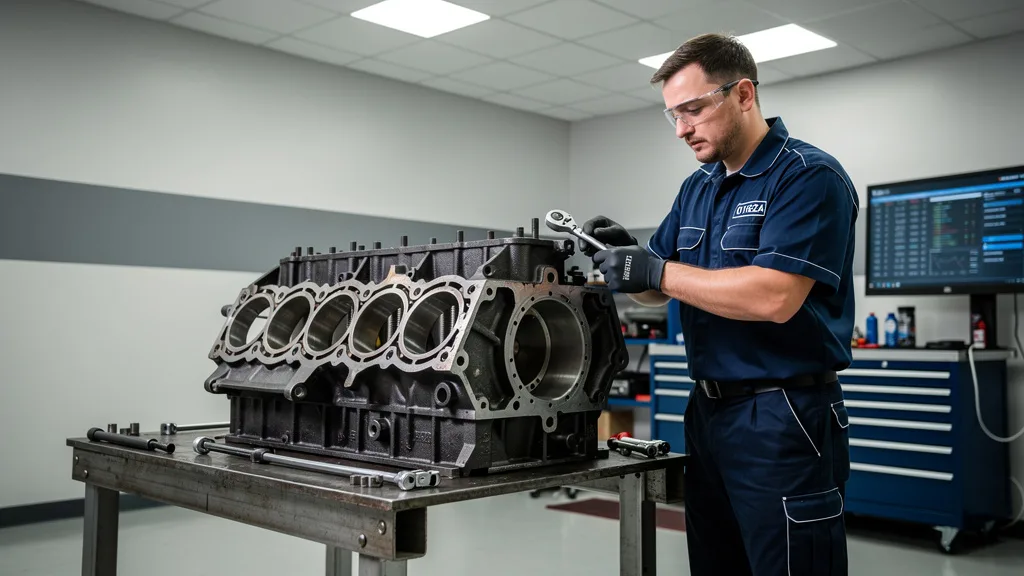
The humidity is another major factor. It can lead to moisture building up in fuel tanks and oil, potentially causing corrosion and poor performance. Furthermore, the fine dust from the dry season can clog air filters, starving the engine of clean air and reducing its efficiency and lifespan. Regular, climate-appropriate maintenance is not just recommended; it's essential for engine survival here. Adhering to a proper service schedule is the best defence against our harsh conditions.
Core Engine Design: Inherent Durability and Lifespan
The fundamental design differences between petrol and diesel engines are at the heart of the longevity debate. Each is engineered with a different philosophy, leading to distinct advantages in durability and operational life. These differences become even more apparent when subjected to the stresses of regular use in a place like Darwin.
How Diesel Engines Are Built for Endurance
Diesel engines operate on a principle of compression ignition, meaning they require much higher compression ratios than petrol engines. To withstand these immense internal pressures, diesel engine components, including the engine block, pistons, and crankshaft, are built to be significantly more robust and heavier. This over-engineering is a primary reason for their renowned durability.
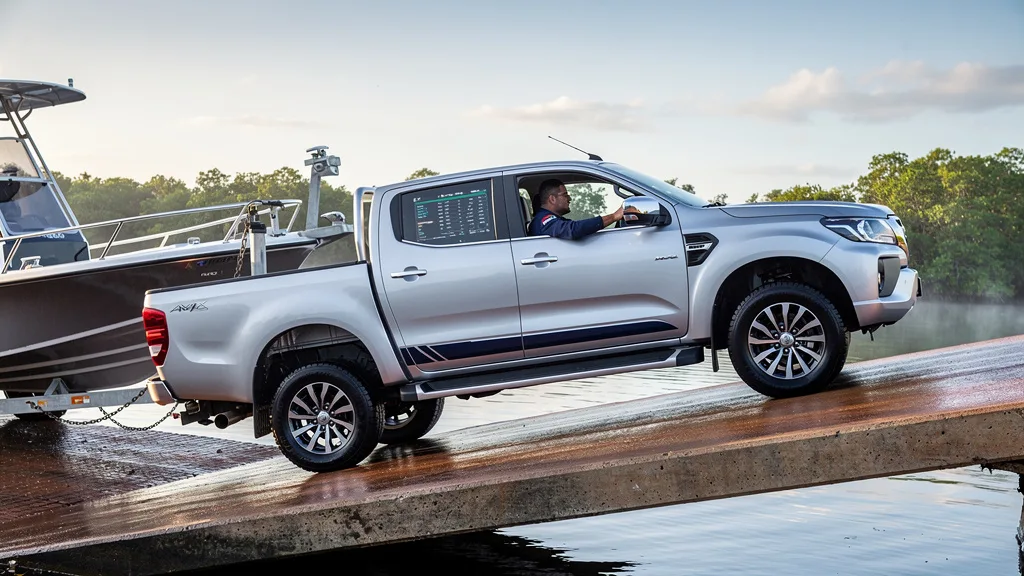
Additionally, diesel fuel itself has lubricating properties that help reduce wear on fuel pumps and injectors. Diesels also typically operate at lower RPMs than their petrol counterparts. This slower operational speed means fewer revolutions over the same distance travelled, resulting in less overall wear and tear on moving parts over the vehicle's lifetime, making them ideal for high-mileage applications.
The Lighter Build of Modern Petrol Engines
Petrol engines use spark plugs to ignite the air-fuel mixture and operate at much lower compression ratios. This allows for a lighter construction, often using aluminum alloys for engine blocks and heads to save weight and improve efficiency. This design prioritizes higher RPM performance, quicker throttle response, and a quieter, smoother operation.
While a modern petrol engine is a highly reliable and sophisticated piece of engineering, it isn't typically built with the same level of brute strength as a diesel. Its components are designed for a different set of operational stresses. With diligent maintenance, such as regular oil changes and timing belt replacements, a petrol engine can certainly achieve a long service life, but it may not withstand the same level of sustained heavy-duty use as a comparable diesel.
Torque Power and Towing Capability for NT Lifestyles
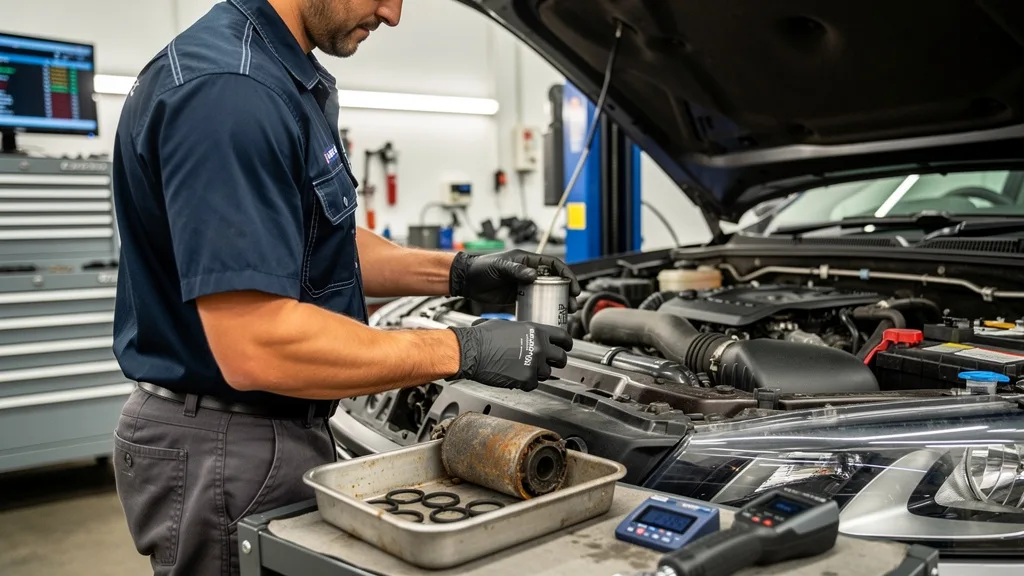
For many people in the Northern Territory, a vehicle is more than just transport; it's a tool for adventure. Whether you're towing a boat to the Dundee boat ramp, hauling a caravan for a trip to Kakadu, or navigating challenging off-road tracks, towing capability is a top priority. This is where the difference between diesel and petrol performance becomes crystal clear.
Diesel's Low-End Torque for Heavy Loads
The standout characteristic of a diesel engine is its ability to produce a massive amount of torque at very low RPMs. Torque is the rotational force that gets your vehicle moving, and having it available from just above idle is a huge advantage when pulling a heavy load. It allows for smooth, effortless take-offs without straining the engine or clutch.

This low-end grunt is what makes diesels the undisputed champions of towing performance. When you're pulling a 3-tonne van up a hill or crawling over rocks on a 4WD track, the engine is operating in its most efficient and powerful range. This not only makes the driving experience more relaxed but also puts less long-term stress on the entire drivetrain.
Petrol's Performance and Acceleration
Where petrol engines shine is in their responsiveness and horsepower, which is a measure of power at higher engine speeds. A petrol engine will typically feel faster and more agile in city traffic, offering quicker acceleration for overtaking and merging. They also tend to be quieter and produce fewer vibrations, leading to a smoother driving experience for daily commuting.
However, to access their peak power for towing, petrol engines need to be revved much higher. This can lead to a noisy and less fuel-efficient experience when hauling heavy loads. While many large petrol V8s have adequate power for towing, they often have to work much harder than a diesel engine to perform the same task, which can impact long-term reliability and fuel consumption.
Fuel Consumption and Range Across the Top End
Distances in the NT are vast, and the availability of fuel can be sparse once you leave the Stuart Highway. For anyone planning on touring, fuel economy and total driving range are critical considerations. This is another area where the petrol vs. diesel debate has a clear winner for outback travel.
"For anyone planning serious touring out of Darwin, the superior fuel economy and range of a diesel are hard to ignore. It's not just about saving money in 2026; it's about the peace of mind knowing you can make it to the next roadhouse."
- Senior Mechanic, MechanicDarwin
Diesel Efficiency for Long-Distance Touring
Diesel fuel contains more energy per litre than petrol, and diesel engines are more efficient at converting that energy into motion. This translates directly into better fuel economy, often using 25-30% less fuel than a petrol vehicle of a similar size. When you're covering hundreds of kilometres between towns, this efficiency adds up to significant savings and, more importantly, a much longer driving range.
This extended range is a massive safety and convenience factor for anyone interested in touring Australia. It means you can explore more remote tracks with confidence and are less reliant on carrying multiple jerry cans. The ability to bypass a town with expensive fuel and make it to the next one is another practical benefit of diesel's superior range.
Petrol Fuel Economy in Urban Darwin Traffic
If your driving is confined to Darwin, Palmerston, and the surrounding suburbs, the fuel economy advantage of a diesel is less significant. In stop-start city traffic, the difference narrows, and the typically lower price per litre of petrol can help balance the running costs. For short commutes and school runs, a petrol engine is often the more economical choice upfront.
However, it's important to consider your overall usage. If your 'city car' is also your weekend getaway vehicle for fishing and camping trips, the higher fuel consumption of a petrol engine on the highway will quickly become apparent. You need to weigh the daily convenience against the costs of those longer journeys.
Reliability, Complexity, and Maintenance Demands
An engine's lifespan is directly tied to how well it's maintained. While diesels are built to be tough, they are also more complex than traditional petrol engines, with specific service requirements. Understanding these needs is crucial to ensuring the reliability of either engine type. Knowing how often you should service your car in Darwin's climate is the first step toward longevity.
Common Service Needs for Diesel Engines
Modern diesel engines are fitted with sophisticated emissions control systems that require specific maintenance. The Diesel Particulate Filter (DPF) is designed to trap soot, but it needs regular long drives at highway speeds to perform a 'burn-off' or regeneration cycle. A diet of short city trips can lead to clogged DPFs, a common and expensive repair.
Other key maintenance items include more frequent fuel filter changes to protect the high-pressure injection system from contaminated fuel, and potential cleaning of the Exhaust Gas Recirculation (EGR) valve. While these systems make diesels run cleaner, they add complexity and potential failure points that petrol engines don't have. Many owners also face Diesel vs petrol tank issues related to water contamination, which requires diligent care.
Typical Maintenance for Petrol Engines
Petrol engine maintenance is generally more straightforward. Regular service items include replacing spark plugs, ignition coils, and air filters. While some modern petrol engines use direct injection, their fuel systems are typically less sensitive and operate at lower pressures than diesels, making them more tolerant of slight variations in fuel quality.
They do not have DPFs or complex EGR systems, which eliminates a significant source of potential issues and expense. For drivers who want predictable, simple servicing, a petrol engine often holds the advantage. A general car servicing schedule is usually sufficient to keep a petrol engine running reliably for many years.
The Price Problem: Upfront vs. Long-Term Costs
The financial aspect of the diesel versus petrol choice is a balancing act between the initial purchase price and the total cost of ownership over the vehicle's life. What seems cheaper today might not be the case in five years, depending on how you use your vehicle.
Initial Purchase Price Comparison
There's no getting around it: diesel vehicles are almost always more expensive to buy than their petrol equivalents. Whether you're buying new or used, expect to pay a premium of several thousand dollars for the diesel model. This higher upfront cost is due to the more robust and complex engineering required for a diesel engine.
For budget-conscious buyers, this initial price difference can be a major hurdle. You need to be sure that your driving habits will allow you to recoup that extra cost through fuel savings and other benefits over your ownership period. If you only plan to keep the car for a few years and drive low kilometres, the petrol option is often the smarter financial choice from the start.
Ongoing Expenses: Fuel, Servicing, and Repairs
This is where the calculation gets more complex. While diesel is more fuel-efficient, the price per litre can sometimes be higher than unleaded petrol. Servicing costs can also be higher for diesels due to more expensive oils and the need for regular fuel filter replacements. When major repairs are needed, parts like injectors, turbos, and fuel pumps are significantly more expensive for diesels.
The table below provides a general comparison of the long-term costs. Your actual expenses will vary based on your specific vehicle and how you drive it, but this gives a clear overview of the trade-offs you need to consider.
| Factor | Diesel Engine | Petrol Engine |
|---|---|---|
| Initial Purchase Price | Higher | Lower |
| Fuel Economy | Better (especially on highway) | Lower (especially when towing) |
| Fuel Price (per litre) | Can be higher or lower | Can be higher or lower |
| Standard Service Cost | Generally higher | Generally lower |
| Major Repair Potential | Higher cost (Injectors, DPF, Turbo) | Lower cost (Simpler components) |
| Resale Value | Often holds value better (for 4WDs/Utes) | Can depreciate faster |
Verdict: So Which Engine Should You Choose for Darwin?
After weighing the durability, performance, and costs, the right choice between a diesel and petrol engine for life in Darwin comes down to your primary use case. There is no single 'best' engine; there is only the best engine for your specific needs, budget, and lifestyle in the Top End.
To make it simple, consider the following points. This breakdown should help you identify which engine type aligns with your driving habits and priorities, ensuring you invest in a vehicle that will serve you well for years to come in our unique environment. Whether you need a workhorse or a city runabout, the choice is clear when you know what to look for.
- Choose a Diesel Engine if: You regularly tow a boat, caravan, or heavy trailer. You plan on doing frequent long-distance touring across the NT and beyond. Maximum engine longevity and high resale value in a 4WD or ute are your top priorities.
- Choose a Petrol Engine if: Your driving is mostly short trips within Darwin and Palmerston. You prioritize a lower purchase price and quieter, smoother performance. You want simpler, and often cheaper, routine maintenance without worrying about DPFs.
Key Takeaways
- Longevity: Diesel engines are built with more robust components and generally have a longer potential lifespan, especially when used for heavy-duty work and high-mileage driving.
- Performance: Diesel offers superior low-end torque, making it the clear winner for towing and serious off-roading. Petrol provides better acceleration and a more responsive feel for city driving.
- Running Costs: Petrol engines are cheaper to buy and often to service. Diesels offer better fuel economy, which can offset higher maintenance costs for high-kilometre drivers, but major repairs can be very expensive.
- Darwin's Climate: Both engine types require diligent maintenance to survive the heat and humidity. Diesels are particularly vulnerable to issues from poor fuel quality and a lack of long drives for DPF regeneration.
- The Verdict: The right choice is personal. For the NT lifestyle of towing and touring, diesel is often the most practical option. For urban-focused driving, petrol is a sensible and economical choice.
Frequently Asked Questions
Should I buy a petrol or diesel car in 2026?
In 2026, the choice still depends heavily on your usage. If you live in Darwin and plan to tow or travel long distances, a diesel vehicle remains a very strong contender due to its torque and fuel range. The infrastructure for diesel is well-established throughout remote Australia.
Is 300,000 km considered high mileage for a diesel engine?
However, for predominantly city-based driving, modern petrol engines, hybrids, and even electric vehicles are becoming increasingly practical. Consider your next five years of driving; if it involves a caravan or boat, diesel is likely your answer. If not, petrol offers a lower upfront cost and simpler ownership experience.
Is diesel generally better than petrol for driving in Australia?
For a well-maintained diesel engine, especially one from a reputable brand like Toyota or Isuzu, 300,000 km is not necessarily 'high mileage' in the way it would be for some petrol cars. It's better described as 'well-used'. Many commercial and private diesel vehicles easily surpass 500,000 km with consistent servicing.
How does high humidity affect petrol and diesel engines?
The key is the service history. A diesel with 300,000 km that has had regular oil changes, timely fuel filter replacements, and a clean bill of health for its injectors and turbo is a much better bet than one with half the kilometres and a patchy maintenance record.
Are diesel engine repairs typically more expensive than petrol?
For the classic Australian 'big lap' or any significant outback travel, diesel is generally considered better. Its superior fuel economy provides a crucial range advantage between remote roadhouses. Furthermore, the torque is invaluable for navigating unsealed roads and challenging terrain, especially when loaded with gear.
In the densely populated urban corridors of the east coast, the advantages of diesel are less pronounced. The stop-start traffic can be hard on diesel particulate filters (DPFs), and the fuel economy benefit is reduced. For city life, a petrol or hybrid vehicle is often more suitable and cost-effective.
High humidity, a constant in Darwin's wet season, can impact both engine types. The primary risk is water condensation forming inside the fuel tank. While this is problematic for any engine, it is particularly dangerous for modern high-pressure common-rail diesel systems, as water can cause catastrophic damage to injectors and fuel pumps.
Using a water-separating fuel filter and changing it regularly is critical for diesels in our climate. High humidity also slightly reduces air density, which can lead to a minor decrease in engine performance for both petrol and diesel, though it's usually not noticeable in everyday driving.
Yes, as a general rule, repairs on diesel engines are more expensive than on petrol engines. The components are engineered to withstand much higher pressures and are therefore more complex and costly to manufacture. A set of diesel injectors can cost several times more than petrol injectors.
Likewise, replacing a high-pressure fuel pump, turbocharger, or dealing with a failed DPF system on a diesel will result in a significantly larger repair bill than most common petrol engine failures. This potential for higher repair costs is a crucial factor to weigh against the fuel savings when choosing your vehicle.
Conclusion
Ultimately, deciding on the diesel vs petrol engine: which lasts longer in Darwin? question is about matching the engine's strengths to your lifestyle. A diesel engine's robust construction and superior torque make it the longevity champion for towing, touring, and heavy use. For those whose driving is mostly confined to city limits, a petrol engine offers a simpler, more affordable, and responsive solution. The best way to ensure a long life for either is with consistent, quality maintenance tailored to our Top End climate.
If you're still unsure which engine type is right for your next vehicle, or want to ensure your current car is getting the expert care it needs to last, our team can help. We provide honest advice and professional servicing for all makes and models, right here in Darwin.
Get a clear, upfront quote for your next service and drive with confidence. Book a Service with our certified technicians today.
Written by MechanicDarwin Technical Team
MechanicDarwin Trade-Qualified Technician
Trade-qualified technician at MechanicDarwin with extensive experience diagnosing and repairing vehicles under extreme Northern Territory conditions.