
Diesel vs Petrol 4WD: The Best Choice for Darwin in 2026
Deciding between diesel and petrol for your 4WD in Darwin? Our 2026 guide covers towing, fuel economy, costs, and NT off roading to help you make the right.
MechanicDarwin Technical Team
MechanicDarwin Certified Technician

Choosing the right 4WD for life in the Top End is a massive decision. When you're facing long stretches of highway, rugged bush tracks, and the unique demands of a tropical climate, is a diesel or petrol engine the smarter choice? For most Darwin drivers planning serious towing or remote travel, diesel's superior torque and fuel range make it the clear winner. However, modern petrol engines offer simplicity and lower running costs for those who stick closer to town.
This guide breaks down the essential factors in the Diesel vs Petrol 4WD: Which Is Better for Darwin? debate for 2026. We'll compare towing power, fuel consumption on and off the bitumen, purchase and maintenance costs, and practical reliability for Northern Territory conditions. By the end, you'll have the clarity you need to choose the perfect engine for your adventures, whether they involve the school run in Palmerston or a trip down the Central Arnhem Road.
Key Differences: Diesel vs Petrol 4WDs in Darwin
The fundamental difference between diesel and petrol engines lies in how they ignite fuel and, consequently, how they deliver power. Diesel engines use compression to ignite fuel, which generates massive torque at low RPMs. Petrol engines use a spark plug, allowing them to rev higher and often produce more horsepower, feeling zippier in city traffic. This core distinction creates a cascade of differences that are especially important for drivers in Darwin.
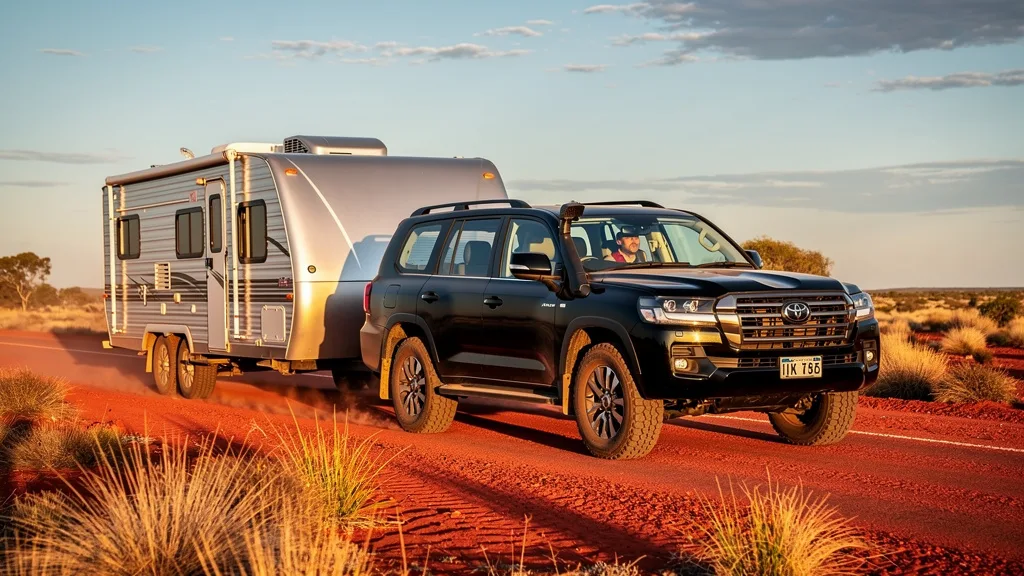
For Top End conditions, these differences impact everything from towing a boat to Mandorah, to fuel availability on a remote fishing trip, to the cost of your annual service. A diesel's low-end grunt is perfect for pulling heavy loads and crawling over obstacles, while a petrol engine's simplicity can be an advantage when dealing with less frequent, shorter trips. Understanding these trade-offs is the first step to making an informed decision that suits your lifestyle and budget.
| Feature | Diesel 4WD | Petrol 4WD |
|---|---|---|
| Towing & Torque | Excellent; high torque at low RPMs for heavy loads. | Good, but requires higher RPMs and uses more fuel. |
| Fuel Economy | Superior; typically 20-30% better than petrol equivalent. | Lower; consumption increases significantly under load. |
| Remote Fuel Availability | Excellent; diesel is available at almost all remote roadhouses. | Limited; premium unleaded can be hard to find in the outback. |
| Purchase Price | Generally higher than the petrol equivalent model. | Lower initial purchase cost. |
| Maintenance Costs | Can be higher due to complex fuel systems and DPFs. | Often simpler and cheaper for routine servicing. |
| Engine Longevity | Traditionally very high, but requires consistent maintenance. | Good, but may not match the ultimate lifespan of a well-kept diesel. |
Towing Performance and Torque: Power for the Outback
In the NT, a 4WD is often more than just a car; it's a tool for adventure. Whether you're hauling a caravan for a trip to Kakadu or a boat for a weekend on the water, towing performance is a critical factor. The debate between petrol versus diesel often begins and ends with torque.
Diesel Engine Towing Capabilities
Diesel engines are the undisputed kings of towing performance. They produce their peak torque at very low engine revolutions, typically between 1,500 and 2,500 RPM. This means they can get a heavy load moving from a standstill with minimal effort and maintain highway speeds without constantly shifting gears or straining the engine. This effortless power delivery makes for a more relaxed, safer, and fuel-efficient towing experience.
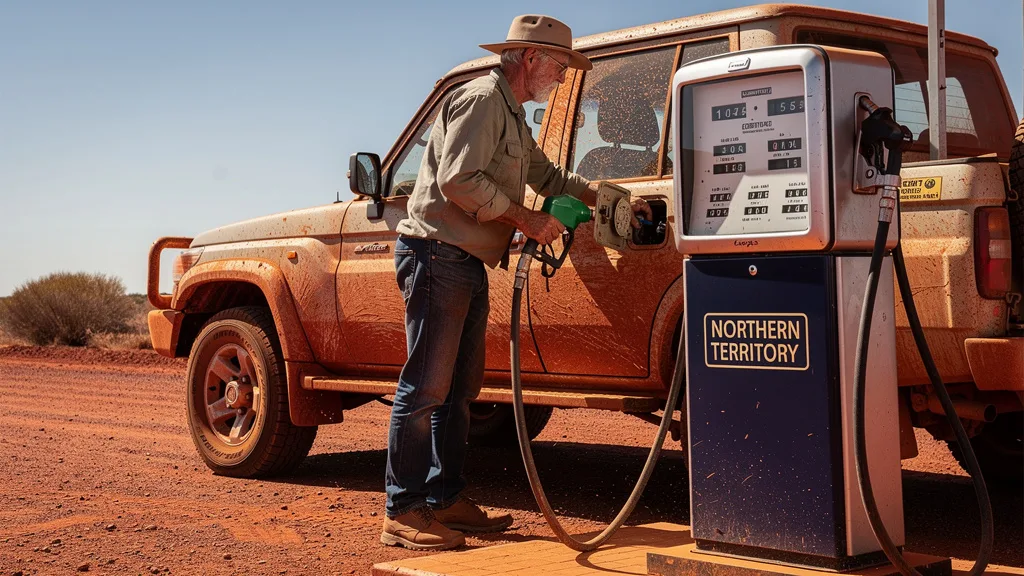
For anyone planning to tow a caravan, large boat, or heavy work trailer regularly, a diesel 4WD is almost always the superior choice. The engine feels less stressed, providing better control and stability, which is crucial on the long, straight highways of the Territory. This characteristic is why you see so many diesel vehicles dragging vans around the country.
Modern petrol engines, particularly V6 and V8 models, are certainly capable of towing. They often boast high horsepower figures, which can look impressive on paper. However, they produce their peak torque at much higher engine speeds, often over 4,000 RPM. To tow effectively, a petrol engine needs to be worked much harder, leading to increased noise, engine strain, and significantly higher fuel consumption.
While a petrol 4WD can handle occasional towing of a smaller trailer or tinnie, it's less suited for heavy-duty, long-distance work. The engine will be revving high, and the fuel gauge will drop alarmingly fast. If your towing is infrequent and light, a petrol model can suffice, but for the serious towing that defines much of the NT lifestyle, it's a compromise.
Fuel Consumption and Driving Range Comparison
The distance between fuel stops in the Northern Territory can be vast. Your vehicle's fuel economy and total driving range are not just about saving money; they are critical for safety and practicality when exploring remote tracks.
Diesel Fuel Economy and Remote Availability
Diesel engines consistently offer better fuel economy than their petrol counterparts, often by a margin of 20-30%. This efficiency translates directly into a longer driving range per tank, a massive advantage when travelling through the outback. A longer range means fewer stops and less anxiety about reaching the next roadhouse.
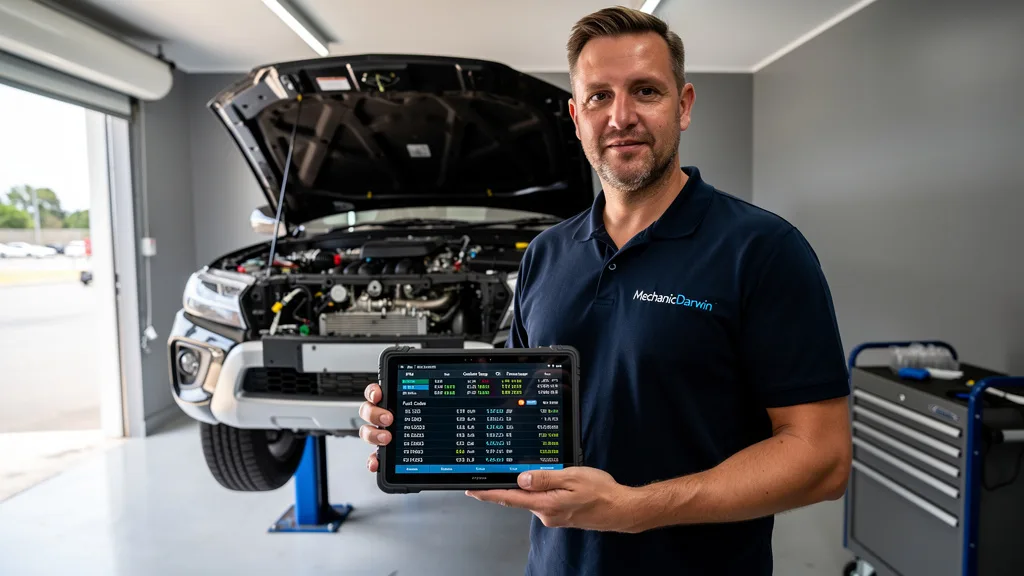
Furthermore, diesel is the lifeblood of remote Australia. Every roadhouse, farm, and mine site runs on it, meaning remote fuel availability is almost guaranteed. You can be confident that you'll find diesel fuel even in the most isolated parts of the NT. This reliability is a major reason why Australian tourers overwhelmingly choose diesel for long-distance travel.
Petrol Fuel Economy and Price Considerations
While the per-litre price of petrol can sometimes be lower than diesel in Darwin, this initial saving is quickly eroded by higher consumption. A petrol 4WD will use significantly more fuel, especially when loaded up or towing, drastically reducing its driving range and increasing the overall cost of a long trip. When fuel prices are biting hard, this difference becomes even more pronounced.
Another crucial consideration is the type of petrol required. Many modern petrol 4WDs require premium unleaded (95 or 98 RON) to perform optimally. This higher-grade fuel can be expensive and, more importantly, difficult or impossible to find in remote areas. Relying on a vehicle that needs premium fuel is a risky strategy for any serious outback travel.
Purchase Price and Long-Term Running Costs
Your 4WD is a significant investment, so it's important to look beyond the sticker price and consider the total cost of ownership. This includes the initial purchase price as well as ongoing maintenance and servicing expenses. tropical climate.
Initial Vehicle Purchase Price
As a general rule, a new diesel 4WD will have a higher purchase price than its petrol equivalent, often by several thousand dollars. This 'diesel premium' is due to the more complex and robustly built engine components, including turbochargers and high-pressure fuel systems. For buyers on a tight budget, the lower entry price of a petrol model can be very appealing.

When looking at used vehicles, this price gap can narrow, but strong demand for diesel tourers often keeps their resale values high. You'll need to weigh whether the upfront savings on a petrol model are worth the higher running costs you'll likely face down the track, especially if you plan on doing a lot of kilometres.
Ongoing Maintenance and Servicing Costs
Historically, petrol engines were considered cheaper to maintain, and to some extent, this remains true. They have simpler ignition systems and don't have the complex Diesel Particulate Filters (DPFs) and Selective Catalytic Reduction (SCR) systems found on modern diesels. A standard car servicing Darwin for a petrol engine can be more straightforward.
However, modern diesel engines are incredibly reliable if maintained correctly. The key is consistent servicing by technicians who understand them. Issues with DPFs, for example, often arise from a lifestyle of short, infrequent trips where the engine doesn't get hot enough to perform a 'burn' or regeneration. For a vehicle used as intended for long drives, these systems are generally reliable. You can explore the differences in service needs when considering a mobile mechanic vs. workshop visit for your specific situation.
"Here in Darwin, we see firsthand how the climate and driving habits affect 4WDs. A well-maintained diesel is built for the long haul, but if you're only doing short runs around the city, a modern petrol engine can be a simpler, more cost-effective option to service." - Head Mechanic, MechanicDarwin
Reliability and Complexity in a Tropical Climate
Darwin's heat, humidity, and distinct wet and dry seasons place unique stresses on any vehicle. Engine reliability is paramount, and both diesel and petrol have their own strengths and weaknesses in this challenging environment.
Diesel Engine Longevity and Potential Repairs
Diesel engines are renowned for their longevity. Built with heavier, more robust components to withstand high compression ratios, it's not uncommon for a well-cared-for diesel to last for 500,000 kilometres or more. This inherent toughness makes them a popular choice for those investing in a long-term touring vehicle.
The potential downside lies in the complexity of modern diesel emission control systems. Components like EGR valves and DPFs can be susceptible to issues if not maintained properly or if the vehicle is used primarily for short, stop-start city driving. In Darwin's heat, ensuring the cooling system is in top condition is also critical for a diesel's health. Understanding how often you should service your car in Darwin's climate is vital for preventing costly repairs.
Petrol Engine Simplicity and Maintenance Needs
Petrol engines are generally less complex than their modern diesel counterparts. They lack the high-pressure fuel pumps, turbochargers (in many cases), and diesel-specific emissions systems that can add layers of potential failure points. This relative simplicity can be an advantage, translating to fewer potential problems and often cheaper repairs.
For a driver in Darwin or Palmerston who uses their 4WD as a daily driver with occasional weekend trips, a petrol engine can be very reliable and easier to live with. It's more tolerant of short journeys and requires less specific knowledge to maintain. However, for those pushing the limits in remote areas, the robustness of a diesel often provides greater peace of mind.
Off-Road Practicality for Northern Territory Tracks
When you leave the bitumen behind and hit the tracks of the NT, from Litchfield to the Gulf, your engine's characteristics become even more critical. The outback practicality of your 4WD is defined by how it performs in challenging off-road scenarios.
A diesel engine's low-down torque is a massive advantage for slow, technical off-road driving. It allows the vehicle to crawl over obstacles at idle speed with minimal driver input, providing excellent control. This 'engine braking' effect is also superior in a diesel, helping to control descents on steep tracks without relying solely on the brakes. For deep water crossings, while all modern 4WDs need a snorkel for serious work, a diesel engine lacks a sensitive high-voltage ignition system, giving it a slight theoretical edge in wet conditions.
Petrol engines can be just as capable off-road but require a different driving style. You'll need to use more revs to access the engine's power, which can sometimes lead to wheelspin and a loss of traction in tricky situations. While they can get the job done, the effortless, low-RPM control of a diesel is generally preferred by experienced off-roaders. When you're looking for a vehicle, it's crucial to know what to check before buying a used 4WD in the Northern Territory to ensure it's ready for the tracks.
So, Which 4WD Engine Should You Choose for Darwin?
Ultimately, the choice between diesel and petrol comes down to a realistic assessment of your needs. There is no single 'best' engine for everyone in Darwin, but there is a best engine for you. The debate over petrol vs diesel is best solved by matching the engine's strengths to your lifestyle.
To help you decide, consider your primary usage against these profiles. Are you a long-distance tourer, a weekend adventurer, or a suburban commuter? Being honest about how you'll use your 4WD 90% of the time will lead you to the right conclusion and ensure you invest in a vehicle that truly serves your purpose in the Top End.
- Choose a Diesel 4WD if:
- You plan to tow a heavy caravan, boat, or trailer regularly.
- You intend to do long-distance touring and travel to remote areas.
- Maximum fuel range and fuel availability are your top priorities.
- You value high resale value and engine longevity for high-kilometre use.
- You enjoy slow, controlled technical off-roading.
- Choose a Petrol 4WD if:
- Your 4WD will be a daily driver primarily used for city and suburban driving.
- You only do occasional, light towing.
- You prefer a lower initial purchase price and potentially simpler servicing.
- Your trips are mostly shorter weekend getaways rather than extended outback tours.
- You appreciate a quieter and often zippier engine for around-town performance.
Key Takeaways
Navigating the choice between a diesel and petrol 4WD for Darwin conditions can be complex, but it boils down to a few core principles. Here are the main points to remember from our 2026 analysis:
- Towing and Torque: Diesel is the clear winner for towing heavy loads due to its superior low-RPM torque, making it ideal for caravans and large boats.
- Fuel & Range: Diesel offers significantly better fuel economy and a longer driving range. Crucially, diesel fuel is far more available in remote parts of the NT.
- Cost of Ownership: Petrol 4WDs are generally cheaper to buy, while diesels command a premium but often have better resale value. Servicing costs can be higher for modern diesels if issues arise with emissions systems.
- Driving Style Matters: A diesel engine's reliability is best maintained with regular long drives, while a petrol engine is more tolerant of short, stop-start city use.
- The Right Tool for the Job: The best engine is the one that matches your primary use. Choose diesel for serious touring and towing; consider petrol for a more city-focused lifestyle with occasional adventures.
Frequently Asked Questions
Should I buy a diesel car in 2026 in Australia?
Yes, buying a diesel vehicle, particularly a 4WD, is still a very sensible choice in Australia for 2026, especially for towing and remote travel. While discussions around emissions continue, the practical benefits of diesel's torque, range, and fuel availability in a country like Australia remain unmatched. For regional and outback drivers, diesel is likely to be the dominant fuel for large vehicles for many years to come.
For city-only drivers, the choice is less clear, and petrol or hybrid alternatives are becoming more compelling. However, for the specific demands of the NT, a diesel 4WD remains a highly practical and popular option. You can read more analysis on the broader market of Diesel vs Petrol Cars in Australia.
What is the most fuel-efficient 4WD currently available in Australia?
The title of 'most fuel-efficient 4WD' is constantly changing with new model releases. As of 2026, the most efficient models are typically those featuring advanced technology, such as diesel-hybrid powertrains or smaller-capacity twin-turbo diesel engines. These vehicles can achieve impressive fuel economy figures that were unheard of a decade ago.
However, it's important to look at real-world figures rather than just the manufacturer's claims. When loaded for a trip or used for towing, even the most efficient vehicle's consumption will increase. Generally, a modern 4-cylinder or 6-cylinder turbo-diesel will offer the best blend of power and economy for touring purposes.
How does resale value compare for diesel vs petrol 4WDs in the NT?
In the Northern Territory, diesel 4WDs consistently have stronger resale values than their petrol counterparts. This is driven by market demand; the majority of buyers looking for a capable used 4WD for touring, towing, or work prioritize the strengths of a diesel engine. The perception of durability, longevity, and superior range makes them a more desirable asset.
While you may pay more upfront for a diesel model, you are likely to recoup a larger percentage of that cost when it comes time to sell. This strong resale value can significantly offset the higher initial purchase price over the total ownership period.
How do diesel and petrol engines handle deep water crossings?
Both engine types require a snorkel for safe and deep water crossings to prevent catastrophic engine damage from water ingestion. However, there is a key difference. Petrol engines have a high-voltage ignition system (spark plugs, coils) that can be sensitive to water and moisture, potentially causing the engine to stall.
Diesel engines do not have this type of ignition system, as they use compression to ignite fuel. This gives them a slight reliability advantage in very wet conditions or deep crossings. Regardless of engine type, ensuring all breathers for your differentials, gearbox, and transfer case are extended is just as important as a snorkel.
Are modern diesel engines significantly louder than petrol ones?
The old stereotype of diesels being loud, clattery, and smelly is largely a thing of the past. Modern common-rail diesel engines, combined with significant improvements in sound deadening and insulation in vehicle cabins, are remarkably quiet and refined. While a diesel may still be slightly more audible from outside the vehicle at idle, the in-cabin experience is often on par with a petrol equivalent.
At highway speeds, the low-revving nature of a diesel engine can actually make it a quieter and more relaxed cruiser than a petrol engine, which may need to work at higher RPMs. If you haven't driven a modern diesel 4WD, you would likely be surprised at how quiet and comfortable they are.
Conclusion
For drivers in Darwin and the NT, the Diesel vs Petrol 4WD decision in 2026 leans heavily in favour of diesel for anyone serious about exploring the Top End. The superior towing torque, extended fuel range, and remote fuel availability provide the practical capability and peace of mind needed for outback travel. While a petrol 4WD offers a lower entry price and simpler mechanics for city life, its limitations in range and heavy-duty performance make it a compromise for true Territory adventures.
Whether you've chosen a diesel for its grunt or a petrol for its simplicity, proper maintenance is the key to reliability in our demanding climate. If you're unsure which vehicle is right for you, or need expert care for your current 4WD, our team of qualified technicians is here to help. We provide honest advice and quality servicing to keep you on the road, wherever it may lead. Ready to ensure your 4WD is in top condition? Book a Service with us today.
Written by MechanicDarwin Technical Team
MechanicDarwin Trade-Qualified Technician
Trade-qualified technician at MechanicDarwin with extensive experience diagnosing and repairing vehicles under extreme Northern Territory conditions.