
Diesel Engine Oil Change: How Often in Darwin's Heat
Struggling with your diesel engine in Darwin's heat? Learn the recommended oil change frequency for the Top End in 2026, plus costs and oil types.
MechanicDarwin Technical Team
MechanicDarwin Certified Technician

Are you running a diesel vehicle in Darwin and wondering if you're changing the oil often enough? In a climate as demanding as ours, sticking to the manufacturer's standard schedule might be putting your engine at risk. The intense heat and humidity of the Top End can degrade your engine oil much faster than in milder climates, leading to poor performance and potentially expensive damage.
For a diesel engine oil change Darwin drivers can rely on, the key is adapting to local conditions. In the Top End's extreme heat, a diesel engine under normal use should have its oil changed every 7,500 kilometres or 6 months, whichever comes first. For vehicles used for heavy towing, frequent 4x4 off-roading, or commercial purposes, this interval should be shortened to every 5,000 kilometres or 4 months to ensure optimal engine protection and longevity.
How Darwin's Heat and Humidity Affect Your Diesel Engine Oil
Darwin's tropical climate is relentless, and your diesel engine's oil bears the brunt of it. The constant high ambient temperatures force your engine to work harder to stay cool, which in turn increases the oil's operating temperature. This sustained heat accelerates a process called thermal breakdown, where the oil's complex molecules start to shear and lose their ability to lubricate effectively. The result is thinner oil that provides less protection against friction and wear for critical engine components.

It's not just the heat; the wet season's high humidity introduces another enemy: moisture. Water can find its way into the engine and condense within the oil, especially during short trips where the engine doesn't get hot enough to evaporate it. This moisture contamination can lead to the formation of sludge, block oil passages, and promote corrosion on internal metal surfaces. Combined, the heat and humidity create a perfect storm for rapid oil degradation, making frequent changes essential for engine health. Properly preparing your vehicle for the wet season includes being extra vigilant about your oil quality.
Recommended Diesel Oil Change Intervals for Darwin Drivers
A common question we hear is about the correct interval for a Diesel Engine Oil Change: How Often in Darwin's Heat? The simple answer is more frequently than you think. The generic service intervals printed in your vehicle's logbook are often based on ideal, temperate conditions, not the severe-duty cycle that Darwin's climate imposes. Following a locally-adjusted schedule is the single best thing you can do for your diesel engine's longevity.

Adjusting your service schedule protects your investment and ensures your vehicle remains reliable, whether you're commuting in Palmerston or exploring a remote track. Below are our expert recommendations for Top End drivers, based on years of servicing diesel vehicles in local conditions. These guidelines are designed to prevent premature wear and maintain peak performance.
For Standard Commuting and Light Use
If you primarily use your diesel vehicle for daily commuting, school runs, and general driving around Darwin and its suburbs, your engine is under a moderate load. Even this 'light' use is considered severe by many manufacturers due to the heat and stop-start traffic. We recommend an oil and filter change every 7,500 kilometres or 6 months, whichever comes first.
This schedule provides a crucial safety margin against the accelerated oil degradation caused by our climate. It ensures that the oil's protective additives are replenished before they are completely depleted, preventing the buildup of harmful sludge and deposits that can starve critical components of lubrication. Regular checks of your oil level and condition between services are also highly encouraged.
For Heavy Towing, Commercial Use, and 4x4s
For vehicles that work hard, the demands are even greater. This category includes utes used for trade, vehicles that frequently tow boats or caravans, and 4x4s that see regular off-road use. These activities place immense strain on the engine, generating significantly more heat and soot, which contaminates the oil much faster.
For these heavy-duty applications, we strongly advise shortening the interval to every 5,000 kilometres or every 3 to 4 months. This proactive approach is cheap insurance against major engine damage. The increased load and heat break down oil viscosity and protective additives at a much faster rate, and only frequent changes can ensure your engine has the clean, effective lubrication it needs to perform under pressure.
"In my years as a diesel mechanic in Darwin, I've seen firsthand what happens when oil changes are stretched too long. For a 4x4 that's actually used off-road or a ute that tows regularly, sticking to a 5,000 km schedule is non-negotiable. It's the difference between a reliable workhorse and a vehicle that ends up on the back of a tow truck with a failed turbo or seized engine."
Manufacturer Recommendations vs. Real-World Conditions
Your vehicle's logbook might suggest an oil change interval of 10,000 or even 15,000 kilometres. It's crucial to understand that these figures are based on 'normal' operating conditions which rarely apply in the Top End. Most manufacturer handbooks include a separate, much shorter schedule for 'severe' operating conditions, which perfectly describes driving in Darwin.
Severe conditions include driving in hot weather (over 35°C), high humidity, dusty environments, frequent short trips, and towing. Since Darwin ticks all these boxes year-round, you should always follow the severe service schedule. Ignoring this and sticking to the 'normal' interval is a gamble that can lead to accelerated engine wear, reduced fuel efficiency, and a higher risk of costly breakdowns. A professional general car servicing specialist can help you establish the right schedule for your specific vehicle and usage.
Warning Signs Your Diesel Needs an Oil Change Now
Your vehicle will often give you clues that its oil is past its prime. Being able to recognize these warning signs can help you prevent minor issues from escalating into major engine damage. If you notice any of the following, it's time to book an oil change as soon as possible, regardless of how many kilometres you've travelled since your last service.
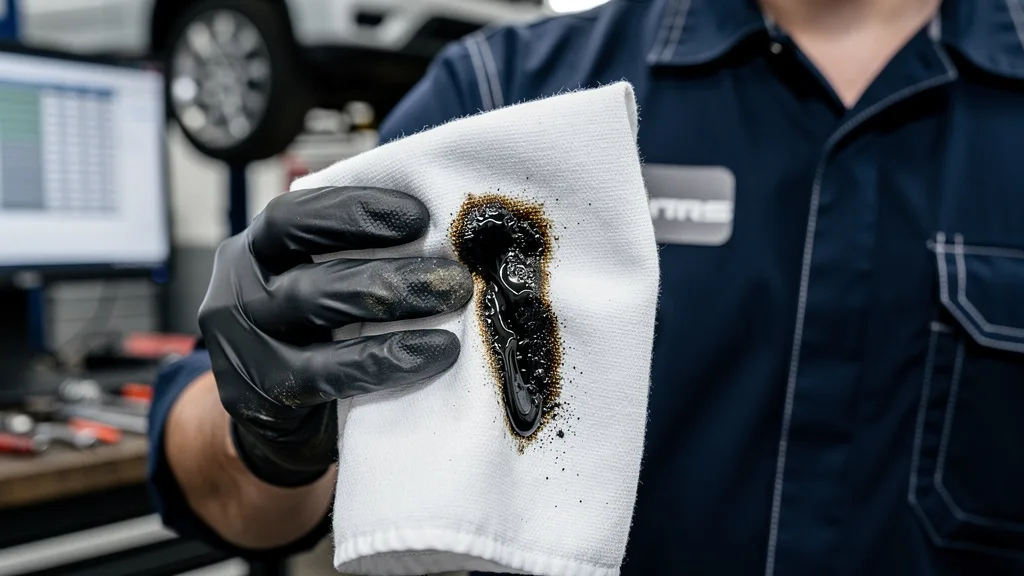
Don't ignore these symptoms. They are your engine's way of telling you it's struggling. A quick and affordable oil change is always better than a complex and expensive engine repair down the track. Here are the key signs to watch for: generic service intervals.
- Dark, Gritty Oil: New diesel oil is a transparent amber colour. While it naturally darkens with soot, if the oil on the dipstick feels gritty or looks thick and black like tar, it's saturated with contaminants and needs changing.
- Increased Engine Noise: If your engine seems louder than usual, with more knocking or rumbling sounds, it could be a sign that the oil has thinned out and is no longer providing adequate cushioning for the moving parts.
- Exhaust Smoke: While some older diesels smoke a little, a noticeable increase in blue or grey smoke from the exhaust can indicate that oil is getting past the piston rings and burning in the combustion chamber, a sign of engine wear exacerbated by old oil.
- Oil Smell Inside the Cabin: The smell of burning oil inside your vehicle is a red flag. It often points to an oil leak where oil is dripping onto hot engine parts, but it can also be a sign of an over-stressed engine running on degraded oil.
- Check Engine or Oil Light: This is the most obvious sign. If your dashboard's oil pressure light or check engine light illuminates, it could indicate low oil pressure caused by old, thin oil or a blockage. Pull over safely and check your oil level immediately.
Choosing the Right Diesel Oil for the Top End in 2026
Selecting the correct oil for your diesel is just as important as changing it regularly. Using the wrong type of oil can lead to inadequate protection and even damage your engine, especially in a demanding climate like Darwin's. The right oil needs to be robust enough to handle high temperatures, resist breakdown, and effectively manage the soot that diesel engines naturally produce.
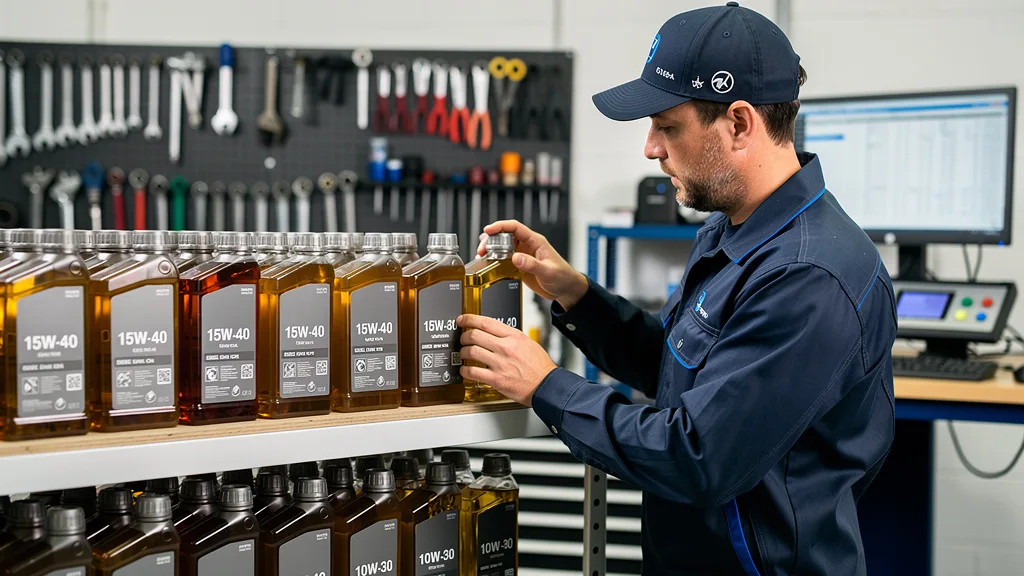
As of 2026, oil technology continues to advance, offering better protection than ever before. When choosing an oil, you need to consider its base type (synthetic or conventional), its viscosity grade, and whether it meets the specific requirements of your vehicle's engine. Let's break down what Top End drivers need to look for.
Synthetic vs. Conventional Oil for Hot Weather Performance
For hot weather performance, synthetic oil is the undisputed champion. While conventional oil is a refined petroleum product, synthetic oil is engineered in a lab with uniform molecules and a high-purity base. This gives it superior thermal stability, meaning it resists breaking down at high temperatures far better than conventional oil. It flows better when cold and maintains its protective film when hot.
While synthetic oil has a higher upfront cost, its benefits in a climate like Darwin's are significant. It offers better protection against wear, helps keep the engine cleaner by resisting sludge formation, and can even offer marginal improvements in fuel economy. For any modern diesel, especially turbocharged ones, the superior protection of a full synthetic oil is a worthwhile investment in your engine's health and longevity.
What Oil Viscosity Is Best for a Tropical Climate?
Viscosity refers to an oil's thickness or resistance to flow. It's represented by a code like 15W-40 on the bottle. The first number (15W) indicates its flow rate at cold temperatures ('W' for winter), and the second number (40) indicates its thickness at operating temperature. In Darwin, where we don't have a true winter, the second number is more critical.
For most diesel 4x4s and commercial vehicles in the Top End, a 15W-40 viscosity is the go-to standard. It provides a robust, protective film at our high ambient and engine temperatures. Some modern diesel engines may specify a slightly thinner oil, like a 5W-40 or 10W-30, to improve efficiency. It's vital to use an oil that meets the manufacturer's specification, but within that specification, choosing a high-quality oil in a grade like 15W-40 or 5W-40 is generally the best choice for maximum protection in the heat. For a deeper dive, you can explore the standards set by organizations like SAE International.
Comparing Top Oil Brands: Shell, Castrol, and Penrite
In Australia, drivers have access to several excellent brands of diesel engine oil. Shell, Castrol, and Penrite are three of the most popular and reputable choices, each offering products well-suited to Darwin's conditions. Here's a quick comparison of their flagship heavy-duty diesel oils for 2026.
| Brand & Product | Key Feature | Best For | Typical Viscosity |
|---|---|---|---|
| Shell Rimula R4 L | Excellent soot and viscosity control | Modern commercial vehicles and mixed fleets | 15W-40 |
| Castrol VECTON Long Drain | Superior thermal stability and long-drain performance | Hard-working engines in extreme heat, long-haul trucks | 15W-40 |
| Penrite HPR Diesel 15 | Extra Ten technology for wear protection, Australian made | 4x4s, light commercials, and older diesel engines | 15W-50 |
Expected Cost of a Diesel Oil Change in Darwin
The cost of a professional diesel oil change in Darwin can vary depending on several factors, but you can typically expect to pay between $250 and $450 in 2026. The primary factors influencing the price are the size of your engine and the type of oil required. Larger diesel engines, like those in big 4x4s and light trucks, hold more oil (sometimes up to 10-12 litres), which naturally increases the cost.
Using a full synthetic oil will be more expensive than a semi-synthetic or mineral oil, but as we've discussed, it's a worthy investment for the added protection. The price should also include a new, high-quality oil filter and the labour for the service. At MechanicDarwin, we provide upfront, fixed-price quotes, so you know exactly what the cost will be before we start work. Whether you come to our workshop or use our mobile mechanic service, the price is always transparent.
Why a Professional Service Is Crucial for Diesel Engines
While some may be tempted by a DIY oil change, a professional service is especially crucial for modern diesel engines. It's more than just draining old oil and pouring in new. A qualified technician ensures the correct grade and specification of oil is used, which is vital for engines with complex emissions systems like Diesel Particulate Filters (DPFs). Using the wrong oil can clog a DPF, leading to a very expensive repair.
Furthermore, a professional service includes a high-quality filter fitted correctly to prevent leaks and ensure proper filtration. We also inspect the old oil for signs of underlying issues, like metal shavings or coolant contamination, which can be an early warning of a bigger problem. Finally, we handle the environmentally responsible disposal of the used oil. A professional oil change is a small investment that provides peace of mind and an expert eye over your vehicle's health.
Key Takeaways
To keep your diesel engine running reliably in Darwin's demanding climate, it's essential to be proactive about its maintenance. Here are the most important points to remember from this guide:
- Shorten Your Intervals: Do not follow the standard logbook schedule. For light use, change your oil every 7,500 km or 6 months. For heavy use (towing, 4x4), shorten this to 5,000 km or 4 months.
- Choose Synthetic Oil: Full synthetic oil offers superior protection against the high temperatures common in the Top End. It's a worthwhile investment in your engine's longevity.
- Use the Right Viscosity: A robust oil like a 15W-40 is a great all-around choice for most diesels in Darwin, providing a strong protective film at high operating temperatures.
- Watch for Warning Signs: Pay attention to changes in engine noise, darker or gritty oil, and exhaust smoke. These are signs your oil needs changing immediately.
- Trust a Professional: A professional service ensures the correct oil and filter are used, and provides an expert check for other potential issues.
Frequently Asked Questions
What oil is best for a Toyota Hilux diesel in the NT?
For a modern Toyota Hilux with a DPF (typically 2015 onwards), it is critical to use a 'low-ash' oil that meets the ACEA C2 or C3 specification. A high-quality full synthetic oil with a viscosity of 5W-30 is often specified by Toyota for these models to ensure DPF compatibility and fuel efficiency.
For older, pre-DPF Hilux models, a robust 15W-40 heavy-duty diesel oil (HDDO) from a reputable brand like Shell, Castrol, or Penrite is an excellent choice. This viscosity provides outstanding protection against wear and tear in the high ambient temperatures of the Northern Territory. Always check your owner's manual or consult with your mechanic to confirm the exact specification for your vehicle's year and model.
Can I extend my oil change intervals with synthetic oil?
While synthetic oil does last longer and resist breakdown better than conventional oil, we strongly advise against significantly extending your oil change intervals in Darwin's climate. The primary reason for changing oil in a diesel engine isn't just oil breakdown; it's also contamination from soot, moisture, and fuel dilution.
Even the best synthetic oil can't stop these contaminants from accumulating. In the 'severe' conditions of the Top End, this contamination happens rapidly. Using synthetic oil should be seen as providing a much greater safety and protection margin within the shorter, climate-appropriate service interval (5,000-7,500 km), not as a reason to stretch that interval out to 15,000 km.
Does excessive idling affect my diesel oil change frequency?
Yes, absolutely. Excessive idling is very hard on diesel engine oil. When an engine is idling, it's not running at its most efficient temperature, which can lead to incomplete combustion. This creates more soot, which contaminates the oil, and can also lead to fuel diluting the oil, reducing its viscosity and lubricating properties.
An hour of idling can cause as much engine wear and oil contamination as many kilometres of driving. Since kilometres aren't accumulating on the odometer, it's easy to underestimate the toll it's taking. If your job requires a lot of idling, or you frequently sit in traffic with the air conditioning on full blast, you should consider yourself in the 'severe use' category and stick to the shorter 5,000 km or 4-month oil change schedule.
What happens if I wait too long for a diesel oil change?
Waiting too long for an oil change can have severe and expensive consequences. As the oil degrades, it loses its ability to lubricate, leading to increased friction and wear on critical components like bearings, camshafts, and cylinder walls. The oil also becomes saturated with soot and contaminants, forming a thick sludge that can block narrow oil passages.
This 'starves' parts of the engine of lubrication, leading to overheating and catastrophic failure. Turbochargers are especially vulnerable, as they rely on a clean, constant supply of oil for cooling and lubrication. A blocked oil line can destroy a turbo in seconds. In short, skipping a $300 oil change can easily lead to a $5,000+ engine repair bill.
Is a standard oil filter sufficient for Darwin's conditions?
The quality of the oil filter is just as important as the quality of the oil. A cheap, low-quality filter can be restrictive to oil flow or may have a poor bypass valve design, potentially leading to oil starvation. It may also use inferior filter media that fails to capture smaller, more damaging particles or clogs up prematurely.
We always recommend using a high-quality, reputable brand-name filter (such as Ryco, Fleetguard, or the vehicle's genuine OEM filter) that is specifically designed for your diesel engine. These filters are built to withstand the higher pressures and soot loads of a diesel system and will provide reliable filtration for the entire duration of your service interval, which is essential for engine protection in Darwin's tough environment.
Conclusion
In Darwin's relentless heat and humidity, treating your diesel engine to a routine oil change is not a suggestion, it's a necessity for survival. By adopting a shorter service interval of 5,000 to 7,500 kilometres, choosing a high-quality synthetic oil of the correct viscosity, and never ignoring the warning signs of degraded oil, you can ensure your vehicle remains a reliable partner for work and adventure in the Top End. This proactive approach is the most cost-effective way to protect your investment and avoid the catastrophic engine failures that our climate can induce.
Don't leave your engine's health to chance. If you're unsure about your last service or want to get on the right schedule for Darwin's conditions, our team of certified diesel mechanics is here to help. We provide honest advice and expert service for all diesel vehicles. Book a Service with us today for peace of mind.
Written by MechanicDarwin Technical Team
MechanicDarwin Trade-Qualified Technician
Trade-qualified technician at MechanicDarwin with extensive experience diagnosing and repairing vehicles under extreme Northern Territory conditions.