
Diesel Engine Service Cost in Darwin: A 2026 Guide
Curious about diesel engine service costs in Darwin for 2026? Our guide covers minor and major service prices, key factors, and how to find a trusted mechanic.
MechanicDarwin Technical Team
MechanicDarwin Certified Technician

Are you trying to budget for your next 4WD or commercial vehicle service and wondering, how much does a diesel engine service cost in Darwin? Understanding the potential costs upfront helps you avoid surprises and ensure your vehicle receives the proper care it needs to handle the unique Top End conditions. Prices can vary based on your vehicle's needs, but a clear estimate is crucial for effective maintenance planning.
As of 2026, a standard diesel service in Darwin typically costs between $350 and $600, covering essentials like an oil and filter change, fluid top-ups, and a general safety inspection. A major service can range from $700 to over $1,500, including additional component replacements like fuel filters, air filters, and more comprehensive system checks required at specific mileage intervals.
Estimated Diesel Service Costs in Darwin for 2026
Setting a budget for vehicle maintenance is easier when you have a clear idea of the expected costs. In Darwin, the price of a diesel service is generally split into two categories: a standard or minor service for routine upkeep, and a major service for more comprehensive, mileage-based maintenance. These estimates for 2026 provide a baseline for what you can expect to pay.
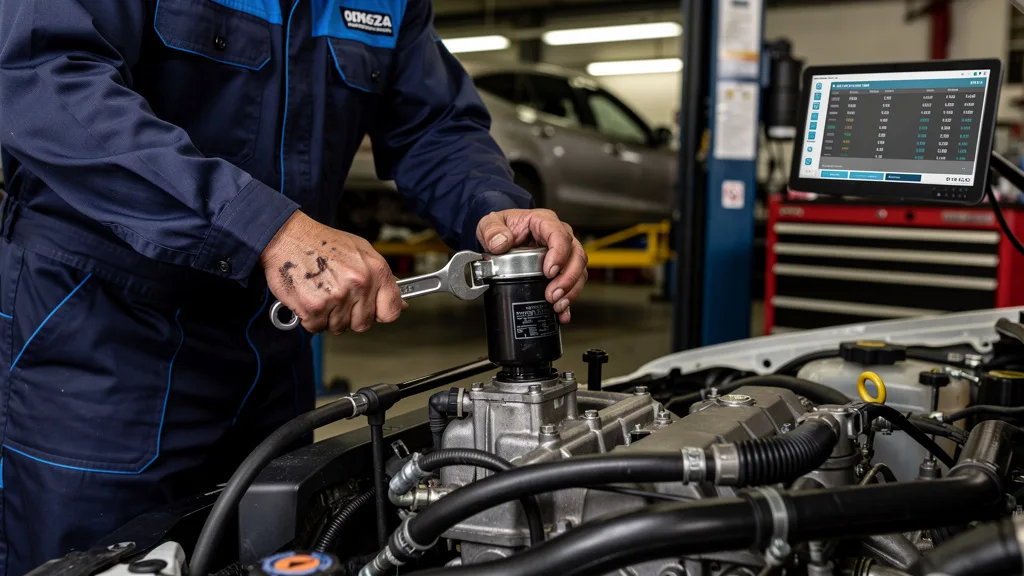
It's important to remember that these are guide prices. The final invoice will depend on your specific vehicle, its condition, and the parts required. Always request a fixed quote from your mechanic before any work begins to ensure transparency and avoid unexpected charges.
Standard or Minor Service Price Range
A standard diesel service is the most frequent type of maintenance you'll undertake. For most common diesel 4WDs and commercial utes in Darwin, you can expect a minor service to cost between $350 and $600. This service is designed to keep your engine running smoothly between major intervals and typically includes an engine oil change, a new oil filter, and a comprehensive safety inspection.
During this check, a technician will also top up all essential fluids like coolant, brake fluid, and power steering fluid. They will inspect your tyres, brakes, lights, and suspension for any signs of wear or potential issues. It's a vital preventative measure that catches small problems before they become large, expensive ones.
A major service is a more in-depth procedure that is usually performed every 40,000 to 60,000 kilometers, depending on the manufacturer's schedule. In 2026, the cost for a major diesel service in Darwin generally falls between $700 and $1,500, but can be higher for European or heavy-duty commercial vehicles. This service includes everything in a minor service plus the replacement of key components.
Common additions in a major service include replacing the fuel filter, air filter, and cabin filter. It often involves a more thorough inspection of the drivetrain, differential oils, and cooling system. Following the logbook for these major services is crucial for maintaining your vehicle's warranty and ensuring its long-term reliability and performance.
Key Factors That Influence Your Service Price
The final cost of your diesel service isn't a one-size-fits-all figure. Several key variables can significantly impact the quote you receive from a workshop. Understanding these factors will help you better interpret your service estimate and make informed decisions about your vehicle's maintenance.
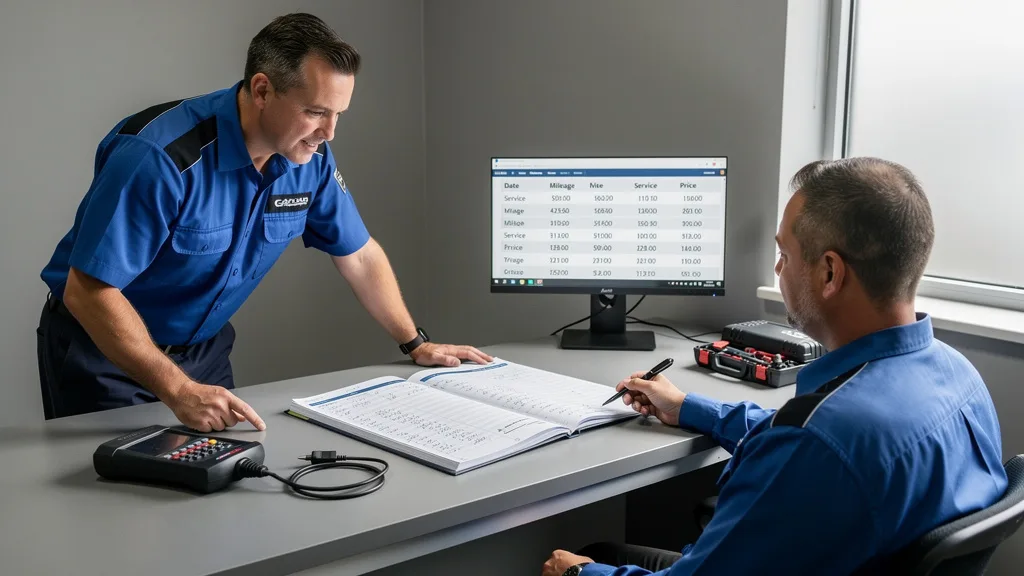
From the badge on your grille to the type of parts used, each element plays a role. A reputable mechanic will walk you through these details, explaining why certain parts or procedures are necessary and how they contribute to the overall price. This transparency is a hallmark of a trustworthy service provider.
| Factor | Impact on Cost | Description |
|---|---|---|
| Vehicle Make & Model | High | European and high-performance models often require specialized oils and parts, increasing the price. |
| Service Type | High | A major logbook service with more part replacements will cost significantly more than a basic oil change. |
| Parts Choice | Medium | Original Equipment Manufacturer (OEM) parts are typically more expensive than quality aftermarket alternatives. |
| Vehicle Age & Kilometres | Medium | Older, high-mileage vehicles may require additional repairs or part replacements discovered during inspection. |
| Workshop Labour Rate | Medium | Labour rates vary between workshops based on their expertise, location, and overheads. |
Vehicle Make, Model, and Age
The specific vehicle you drive is one of the biggest determinants of service cost. European brands like Volkswagen or Land Rover often have higher servicing costs than popular Japanese models like Toyota or Isuzu. This is due to the higher price of imported parts and specialized fluids they require. The complexity of the engine design can also increase labor time.
The age and mileage of your vehicle also play a critical role. An older diesel with higher kilometers may need more attention. Parts that are nearing the end of their service life, such as belts, hoses, or suspension components, might be identified during the inspection, adding to the final repair bill. Regular maintenance helps manage these costs over time.
Logbook Requirements vs. Basic Service
You have a choice between a basic service and a manufacturer's logbook service. A basic service covers the essentials like oil and filter changes. A logbook service, however, follows the specific schedule outlined by your vehicle's manufacturer to maintain its warranty. This schedule dictates exactly which parts to replace and which systems to inspect at certain kilometer intervals.
While a logbook service is often more expensive upfront, it is essential for newer vehicles still under warranty. It also provides a comprehensive service history, which can increase the resale value of your vehicle. You can learn more about the differences in our guide to log book service vs. general service to decide what's right for your car.
Choice of OEM vs. Aftermarket Parts
When parts like filters, belts, or brake pads need replacing, you can choose between OEM (Original Equipment Manufacturer) and aftermarket parts. OEM parts are made by the vehicle's manufacturer and are identical to the ones your car was built with. They guarantee a perfect fit and performance but usually come at a premium price.
Aftermarket parts are produced by other companies and are often a more affordable option. High-quality aftermarket parts can perform just as well as OEM parts, but it's crucial to use reputable brands. An honest mechanic will discuss these options with you, explaining the pros and cons of each so you can make a decision that fits your budget without compromising on safety or quality.
Are Diesel Services More Expensive Than Petrol?
It's a common observation among vehicle owners that servicing a diesel engine tends to cost more than servicing a comparable petrol engine. This is generally true, and there are several valid reasons for the price difference. The design and operation of diesel engines necessitate more robust components and specialized fluids, which directly impacts maintenance costs.
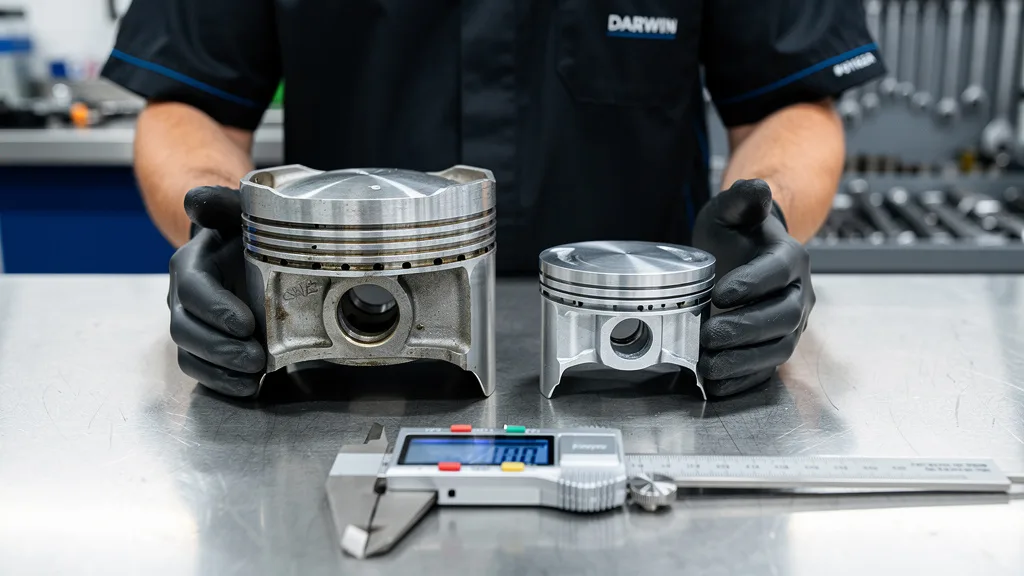
While the initial purchase price and ongoing service costs for a diesel might be higher, owners often benefit from better fuel economy and greater torque, which is ideal for towing and heavy-duty use. Understanding the cost breakdown helps you appreciate the long-term value proposition of owning a diesel vehicle.
Comparing Labor and Parts Costs
Diesel engines operate under much higher compression and stress than petrol engines. This requires more durable and, consequently, more expensive internal components. Parts like fuel injectors, pumps, and filters are engineered to withstand higher pressures and are more complex, leading to a higher replacement cost.
Furthermore, diesel engines require more oil, and the oil itself is a specialized, higher-grade product designed to handle soot and other byproducts of diesel combustion. A typical diesel 4WD might need 8-10 litres of oil, compared to 4-5 litres for a petrol car. These material costs, combined with potentially longer labor times for certain tasks, contribute to a higher overall service bill.
Long-Term Maintenance Considerations
While individual services may be more expensive, well-maintained diesel engines are known for their longevity. Their robust construction means they can often last for many more kilometers than their petrol counterparts before requiring major work like Engine Reconditions. The key is consistent, quality servicing.
Over the vehicle's lifespan, the higher service costs can be offset by superior fuel efficiency, especially on long highway drives. When considering the total cost of ownership, it's a balance between higher scheduled maintenance expenses and lower fuel consumption. For drivers who do a lot of towing or cover long distances, a diesel can still be the more economical choice in the long run.
How Often Should You Service a Diesel Engine?
Adhering to a regular service schedule is the single most important thing you can do to ensure the health and longevity of your diesel engine. Unlike petrol engines, which can sometimes be more forgiving of delayed maintenance, diesels rely on clean oil and filters to protect their high-precision components. Skipping or delaying a service can lead to accelerated wear and costly failures.
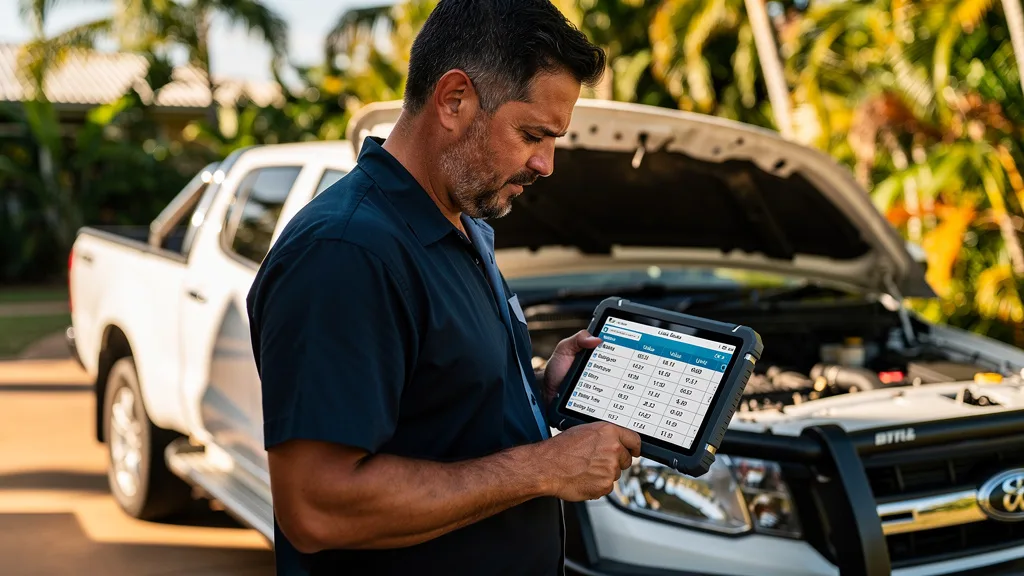
The ideal service interval depends on a combination of the manufacturer's guidelines and your specific driving conditions. For vehicle owners in the Top End, local climate factors play a significant role in determining how often you should visit your mechanic.
Following Manufacturer Recommendations
Your vehicle's logbook is the ultimate authority on service intervals. Most modern diesel vehicles recommend a service every 10,000 to 15,000 kilometers or every 12 months, whichever comes first. This schedule is carefully designed by the engineers who built your car to ensure optimal performance and reliability.
Sticking to the logbook schedule is not just about keeping your engine healthy; it's also a requirement for maintaining your new car warranty. A complete logbook history with stamps from a qualified mechanic demonstrates that the vehicle has been properly cared for, which is a major selling point when it comes time to upgrade.
Adjusting for Darwin's Driving Conditions
While the manufacturer's schedule is a great baseline, the harsh conditions in Darwin can warrant more frequent servicing. Extreme heat, high humidity, and dusty roads during the dry season place additional stress on your engine's oil, filters, and cooling system. These elements can accelerate the breakdown of lubricants and clog filters faster than in milder climates.
For these reasons, many local experts recommend a more conservative service interval, such as every 7,500 to 10,000 kilometers, or every six months. This is especially true if you frequently tow heavy loads, engage in off-road driving, or do a lot of short, stop-start city trips. You can find more details in our guide on how often to service your car in Darwin's climate.
Finding an Experienced Diesel Mechanic in Darwin
Choosing the right mechanic is just as important as the service itself. Diesel engines are complex systems that require specialized knowledge and diagnostic tools. Entrusting your vehicle to a workshop with proven expertise in diesel systems ensures the job is done correctly, using the right parts and procedures.
In Darwin, you have many options, from dealership service centers to independent workshops. Taking the time to find a reputable and experienced diesel mechanic in Darwin will save you money and headaches in the long run. A good mechanic becomes a trusted partner in managing your vehicle's health.
What to Look For in a Reputable Workshop
When searching for a mechanic, there are several key indicators of a quality, trustworthy workshop. Don't be afraid to ask questions and look for evidence of their qualifications and experience. A professional workshop will be happy to provide this information.
- Qualifications and Certifications: Ensure the technicians are trade-qualified and have specific training or experience with diesel engines.
- Positive Customer Reviews: Look for consistently positive feedback on platforms like Google or Facebook. Pay attention to comments about communication, honesty, and quality of work.
- Clean and Organized Workshop: A tidy workshop is often a sign of a professional and methodical approach to repairs.
- Transparent Quoting: A reputable mechanic will provide a detailed, itemized quote before starting any work and will contact you for approval if any additional repairs are needed.
- Good Communication: They should be able to explain the required work in clear, understandable terms without using excessive jargon.
Why a Specialist Expert Team Matters
While any qualified mechanic can perform a basic oil change, a specialist diesel mechanic brings a deeper level of understanding. They are familiar with the common failure points, specific quirks, and diagnostic procedures for a wide range of diesel engines, from common rail 4WDs to light commercial trucks. This expertise allows for faster, more accurate troubleshooting.
An expert team will have access to the latest diagnostic scan tools and technical information specific to diesel systems. This is critical for correctly diagnosing issues with modern, electronically controlled engines. Choosing a specialist means you're not paying for a mechanic to learn on your car; you're paying for their experience to get the job done efficiently and correctly the first time. There are many great options available among the 20+ Best Diesel Mechanics in Darwin.
"With modern diesel engines, precise diagnostics are everything. Having an experienced team that understands the intricacies of common rail systems and emissions controls isn't just a benefit, it's essential for preventing small issues from turning into major, costly engine failures. It's about proactive care, not just reactive repairs."
Key Takeaways
Navigating the costs and requirements of diesel engine servicing in Darwin can be straightforward with the right information. Keeping your vehicle in top condition is essential for reliability in the Top End. Here are the most important points to remember:
- Standard Service Cost: Expect to pay between $350 and $600 for a minor service in 2026.
- Major Service Cost: A major service will typically range from $700 to $1,500+, depending on your vehicle's logbook requirements.
- Key Cost Factors: The vehicle's make, model, age, and choice of parts are the biggest influences on the final price.
- Diesel vs. Petrol: Diesel services are generally more expensive due to more robust parts and specialized, larger quantities of oil.
- Service Frequency: Follow your manufacturer's schedule (typically 10,000-15,000 km), but consider shorter intervals (7,500-10,000 km) due to Darwin's harsh climate.
- Choose a Specialist: Always opt for an experienced diesel mechanic with the right tools and knowledge for accurate and efficient service.
Frequently Asked Questions
Why do diesel engine services typically cost more than petrol?
Diesel engine services cost more primarily because of the components and fluids involved. Diesel engines require more robust parts to handle higher compression, which are more expensive to manufacture. They also need larger quantities of higher-specification engine oil that can manage soot and other contaminants unique to diesel combustion.
Additionally, components like fuel filters are more complex and costly than their petrol counterparts. The combination of more expensive parts, specialized fluids, and sometimes more intensive labor contributes to the higher overall service cost compared to a similar-sized petrol vehicle.
What are common signs my diesel vehicle needs a service?
There are several tell-tale signs that your diesel vehicle is due for a service. The most obvious is the service reminder light on your dashboard. Other symptoms include excessive black or blue smoke from the exhaust, a noticeable decrease in power or fuel economy, difficulty starting the engine, or unusual noises like knocking or rattling.
If you notice any of these signs, it's best to have your vehicle inspected by a qualified mechanic as soon as possible. Ignoring these warnings can lead to more significant and expensive damage to your engine or fuel system. Regular servicing helps prevent these issues from occurring in the first place.
What is generally included in a basic diesel service?
A basic or minor diesel service is a preventative maintenance procedure focused on essential upkeep. It almost always includes changing the engine oil and the oil filter using fluids and parts that meet the manufacturer's specifications. A technician will also perform a comprehensive safety inspection of the vehicle.
This inspection typically covers checking and topping up all other fluids (coolant, brake, power steering, washer), inspecting brake pads and rotors, checking tyre pressures and condition, and testing lights and wipers. It's designed to keep your vehicle safe and reliable between major service intervals.
Can I perform any diesel maintenance myself to save money?
While experienced home mechanics can perform some basic tasks, modern diesel engines are complex. Simple jobs like checking your oil level, topping up washer fluid, and visually inspecting your tyres are safe for most owners to do. However, tasks like changing fuel filters or diagnosing engine faults should be left to the professionals.
Incorrectly performing a service can lead to serious engine damage. For example, failing to properly prime the fuel system after changing a filter can damage the high-pressure fuel pump. For peace of mind and to ensure the job is done right, it's always recommended to use a qualified mobile mechanic or workshop for servicing.
How long does a standard diesel service usually take?
The time required for a diesel service depends on the type of service being performed. A standard or minor service is relatively quick and typically takes between 1.5 to 2.5 hours to complete. This allows enough time for the oil to be drained properly and for the technician to conduct a thorough inspection of the vehicle.
A major logbook service will take significantly longer, often between 3 to 5 hours, or potentially more if additional repairs are required. This is because it involves replacing more components and carrying out more detailed system checks. Always confirm the estimated time with your service provider when you book your vehicle in.
Conclusion
Ultimately, understanding the factors that determine how much a diesel engine service costs in Darwin empowers you to budget effectively and make smart choices for your vehicle's long-term health. While diesel services carry a higher price tag than their petrol equivalents, this cost is an investment in the engine's durability and performance, especially in the demanding Top End climate. By following a regular maintenance schedule with a trusted, specialist mechanic, you ensure your vehicle remains reliable, efficient, and safe on the road.
Ready to get a clear, upfront quote for your diesel vehicle? Our expert team of certified mechanics is here to help. We provide transparent pricing and quality workmanship for all makes and models. Book a Service online today or give us a call to discuss your vehicle's needs.
Written by MechanicDarwin Technical Team
MechanicDarwin Trade-Qualified Technician
Trade-qualified technician at MechanicDarwin with extensive experience diagnosing and repairing vehicles under extreme Northern Territory conditions.