
Diesel Engine Overheating: Causes and Fixes for Darwin
Seeing your temp gauge spike? Learn the top causes of diesel engine overheating in Darwin's climate and find quick fixes. Prevent costly damage with our 2026.
MechanicDarwin Technical Team
MechanicDarwin Certified Technician

Is there a more stressful sight on a hot Darwin day than the temperature gauge on your dash creeping into the red? A diesel engine overheating is a serious issue that can lead to catastrophic, expensive engine damage if not addressed immediately. Understanding the root causes and knowing the correct steps to take can save you thousands of dollars and keep your vehicle reliable on Top End roads.
The most common causes of diesel engine overheating include low coolant, a faulty thermostat, a broken water pump, radiator blockages, and a malfunctioning cooling fan. The first step is to safely pull over, turn off the engine, and allow it to cool completely before attempting any checks. For Darwin drivers, the constant high heat and humidity put extra strain on cooling systems, making regular maintenance essential to prevent unexpected failures and costly repairs.
The moment you notice your engine temperature rising, your immediate actions are crucial to minimize potential damage. First, turn off your air conditioning and turn on your heater to its highest setting. This may seem counterintuitive, but it helps draw heat away from the engine block and into the cabin, providing minor relief to the cooling system.
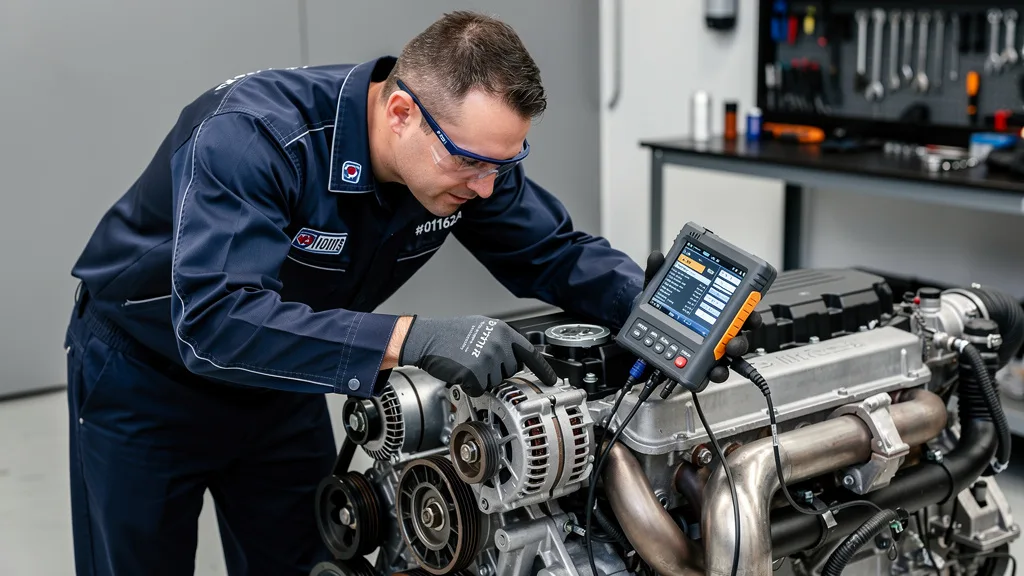
Find a safe place to pull over as soon as possible and shut off the engine. Do not continue driving, as this can cause severe damage like a warped cylinder head or a blown head gasket. Once stopped, open the hood to allow heat to dissipate more quickly, but do not attempt to open the radiator or coolant reservoir cap. The system is under extreme pressure and the superheated coolant can cause severe burns. You must wait for the engine to cool down completely, which can take at least 30 to 45 minutes, before performing any further checks.
Top 7 Causes of Diesel Engine Overheating in 2026
A diesel engine's cooling system is a complex network of components working together to maintain optimal operating temperature. A failure in any single part can lead to a rapid increase in heat. Understanding the most common culprits is the first step toward diagnosis and repair. These issues range from simple maintenance oversights to significant mechanical failures.
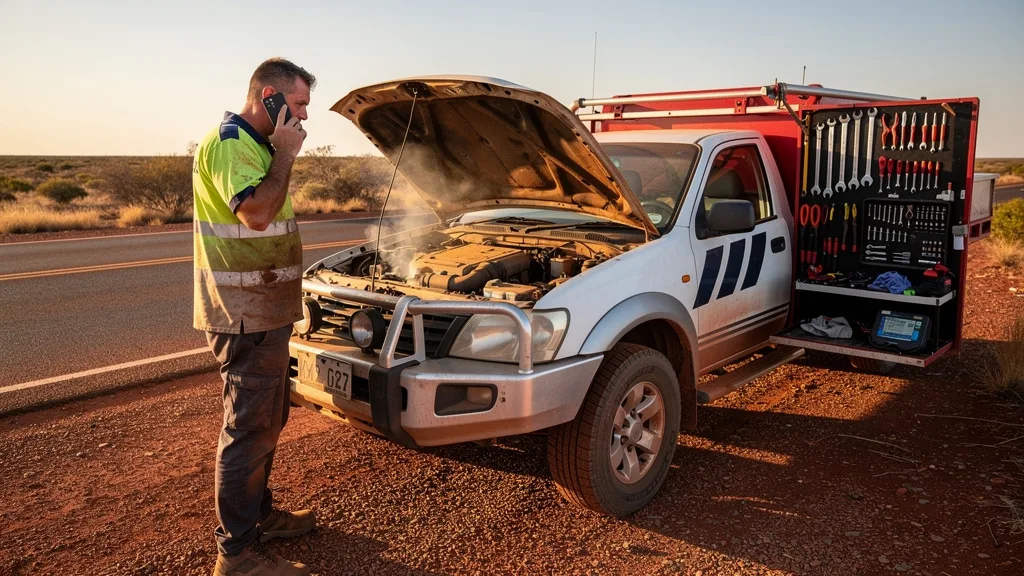
Below are the seven most frequent reasons your diesel engine might be overheating, especially under the demanding conditions of the Northern Territory. While some can be addressed with basic checks, many require the expertise of a qualified mechanic to diagnose and resolve correctly.
| Cause | Common Symptoms | Typical Fix |
|---|---|---|
| Low Coolant | Temp gauge rises, sweet smell, visible puddles under vehicle. | Top up coolant, find and repair leak. |
| Faulty Thermostat | Rapid overheating or engine not reaching temperature. | Replace thermostat. |
| Broken Water Pump | Whining noise from engine bay, coolant leak at the front. | Replace water pump and serpentine belt. |
| Radiator Issues | Visible debris, bent fins, coolant leaks from radiator core. | Flush, repair, or replace radiator. |
| Malfunctioning Fan | Overheating in slow traffic but fine at speed. Fan doesn't turn on. | Replace fan clutch, motor, or sensor. |
| Clogged Hoses | Bulging or collapsed hoses, visible cracks or brittleness. | Replace affected hoses. |
| Blown Head Gasket | White smoke from exhaust, milky oil, constant coolant loss. | Major engine repair, gasket replacement. |
Low or Leaking Coolant
The most common reason for diesel engine overheating: causes and fixes for Darwin drivers often trace back to a lack of coolant. Coolant, or antifreeze, is the lifeblood of your engine's cooling system, responsible for absorbing heat and dissipating it through the radiator. If the level is low, there isn't enough fluid to manage the engine's temperature effectively. This can be due to a slow leak in a hose, the radiator, the water pump, or a heater core.
You might notice a sweet smell after driving or see green, orange, or pink puddles under your vehicle. A visual inspection of the engine bay can sometimes reveal the source of a leak, often seen as stains or drips around hose connections or on the radiator itself. Regularly checking your coolant reservoir and addressing leaks promptly is the best prevention.
Faulty Thermostat
The thermostat acts as a gatekeeper for your cooling system. It's a small valve that stays closed when the engine is cold to allow it to warm up quickly. Once the engine reaches its operating temperature (typically 80-95°C), the thermostat opens to allow coolant to flow to the radiator. If the thermostat gets stuck in the closed position, coolant cannot circulate, and the engine will overheat rapidly.
Conversely, if it sticks open, the engine may take a very long time to warm up, leading to poor performance and fuel economy. A faulty thermostat is a relatively inexpensive part, but the symptoms it causes are severe. It's a common failure point and one of the first things a mechanic will check when diagnosing an overheating issue.
Broken Water Pump
The water pump is the heart of the cooling system, responsible for circulating coolant throughout the engine and radiator. It's typically driven by the engine's serpentine belt. If the pump fails, this circulation stops entirely, and the engine will overheat very quickly. Water pump failure can occur due to a worn-out bearing, a failed seal causing a leak, or a broken impeller.
Symptoms of a failing water pump include a high-pitched whining sound coming from the front of the engine, coolant leaking from the pump's location, or a loose pulley. If you suspect a water pump failure, it's critical to stop driving immediately and have the vehicle towed to a workshop. Continuing to run the engine will almost certainly lead to major damage.
Radiator Issues and Blockages
The radiator's job is to transfer heat from the coolant to the outside air. For this to work, it needs good airflow and clean internal passages. Over time, radiators can become clogged externally with bugs, dirt, and road grime, especially on Darwin's dusty roads. This debris blocks airflow and reduces the radiator's cooling efficiency.
Internally, rust, scale, and sediment can build up and clog the small tubes within the radiator core, restricting coolant flow. This is often the result of using the wrong type of coolant or not flushing the system at recommended intervals. A visual inspection can reveal external blockages, while a professional flush is needed to clear internal ones. In severe cases, the radiator may need to be replaced.
Malfunctioning Cooling Fan
The cooling fan pulls air through the radiator, which is essential for cooling, especially when the vehicle is stationary or moving at low speeds. In modern diesel vehicles, these fans are often electric or controlled by a viscous clutch. If the fan motor fails, a fuse blows, a sensor malfunctions, or the clutch wears out, the fan will not engage when needed.
A classic symptom of a failed cooling fan is an engine that overheats in stop-and-go traffic but maintains a normal temperature on the open highway. This is because at higher speeds, enough air is forced through the radiator naturally. If you notice your temperature gauge climbing while idling, the cooling fan is a primary suspect.
Clogged Hoses
Coolant hoses are responsible for carrying the coolant between the engine, radiator, and heater core. These rubber components can degrade over time due to heat, pressure, and exposure to chemicals. They can become soft and collapse inward under suction, or become hard and brittle, leading to cracks and leaks.
An internal blockage can also occur if a hose delaminates on the inside, creating a flap that restricts flow. A visual inspection might reveal bulging, cracking, or collapsed hoses. It is good practice to replace cooling system hoses as part of preventative maintenance, typically every four to five years, to avoid a sudden failure on the road.
Blown Head Gasket
A blown head gasket is one of the most serious causes of engine overheating. The head gasket provides a seal between the engine block and the cylinder head. If it fails, it can allow high-pressure combustion gases to enter the cooling system, or coolant to leak into the cylinders. This not only introduces extreme heat into the coolant but also leads to a loss of coolant and compression.
Signs of a blown head gasket include voluminous white smoke from the exhaust (burning coolant), a milky, sludgy appearance in the engine oil, or bubbles in the coolant reservoir when the engine is running. This is a major repair that requires significant engine disassembly and should only be handled by a qualified technician.
How to Solve an Engine Overheating Problem
When faced with an overheating engine, your response will depend on the situation and your level of mechanical confidence. Some initial checks are safe for most drivers to perform once the engine has cooled down, while other symptoms are a clear signal to stop immediately and call for professional help. Knowing the difference is key to avoiding further damage and ensuring your safety.

The primary goal is to identify if the issue is a simple fix, like low coolant, or a more complex mechanical failure. Always prioritize safety; a hot engine and pressurized coolant are extremely dangerous. Never work on a hot engine, and if you are unsure about any step, it's always best to wait for a professional.
Quick DIY Checks You Can Perform Safely
Once your engine has cooled down completely (wait at least 30-45 minutes), there are a few things you can safely check. These steps can help you identify a simple problem or provide valuable information to a mechanic.
- Check Coolant Level: Visually inspect the coolant reservoir. Most have 'MIN' and 'MAX' lines. If it's low, you may have a leak. You can top it up with the correct type of coolant or distilled water in an emergency to get to a safe location.
- Inspect Hoses: Look for obvious leaks, cracks, or bulging hoses. Gently squeeze the main radiator hoses (when cold) to check if they feel overly soft, spongy, or brittle.
- Look for Leaks: Check under the vehicle and around the engine bay for any signs of green, orange, or pink fluid, which indicates a coolant leak.
- Check the Radiator Cap: When the engine is completely cold, you can remove the radiator cap. Check the rubber seals for cracks or damage. A faulty cap can't hold pressure, lowering the boiling point of your coolant.
- Inspect the Cooling Fan: With the engine off, check if the fan blades are damaged or if there's anything obstructing them.
When to Stop and Call a Professional Mechanic
Some symptoms are clear indicators of a serious problem that requires professional attention. Attempting to drive further or perform a DIY fix can lead to catastrophic engine failure. If you experience any of the following, call for assistance immediately.
If you see large amounts of steam or smoke coming from under the hood, hear loud knocking or grinding noises from the engine, or if the oil on the dipstick looks milky or foamy, do not restart the engine. These are signs of severe issues like a blown head gasket or major component failure. In these situations, your best and safest option is to call a mobile mechanic in Darwin to come to your location. A qualified technician can diagnose the problem accurately and prevent a minor issue from turning into a complete engine replacement.
Why Darwin's Climate Puts Extra Strain on Your Diesel
Driving in Darwin and the Top End presents unique challenges for any vehicle, but especially for hardworking diesel engines. The combination of consistently high ambient temperatures and oppressive humidity during the wet season means your engine's cooling system gets no respite. Unlike in southern climates, where cooler temperatures give the system a break, here it is constantly working at its maximum capacity.
"In Darwin's heat, your diesel's cooling system isn't just a component; it's the single most critical system preventing catastrophic engine damage. We see the effects of heat stress daily, from premature hose failure to overworked cooling fans. Proactive maintenance isn't just recommended, it's essential for survival up here." - Lead Technician, MechanicDarwin
This constant high-load environment accelerates the wear and tear on all cooling components. Rubber hoses become brittle faster, plastic components can warp, and the coolant itself can degrade more quickly, losing its anti-corrosive properties. Furthermore, driving in dusty conditions during the dry season can clog radiators, reducing their efficiency. Properly preparing your vehicle for the wet season and the dry season is crucial for reliability.
How to Prevent Engine Damage with Regular Maintenance
The most effective way to handle a diesel engine overheating problem is to prevent it from ever happening. Proactive, regular maintenance is far less expensive and stressful than dealing with a breakdown on the side of the Stuart Highway. A well-maintained cooling system is your best defense against the harsh Darwin climate.
A simple maintenance schedule focused on the cooling system can identify potential problems before they escalate. This includes regular checks and services that ensure every component is functioning as it should. Understanding what to check and when is key to long-term engine health and peace of mind. For a tailored schedule, it's wise to consider how often you should service your car in Darwin's climate.
Your Regular Coolant System Service Schedule
A consistent service schedule is your best insurance policy. For diesel vehicles in the Top End, we recommend a more frequent inspection of the cooling system than in milder climates. A professional inspection during your regular general car servicing is essential.
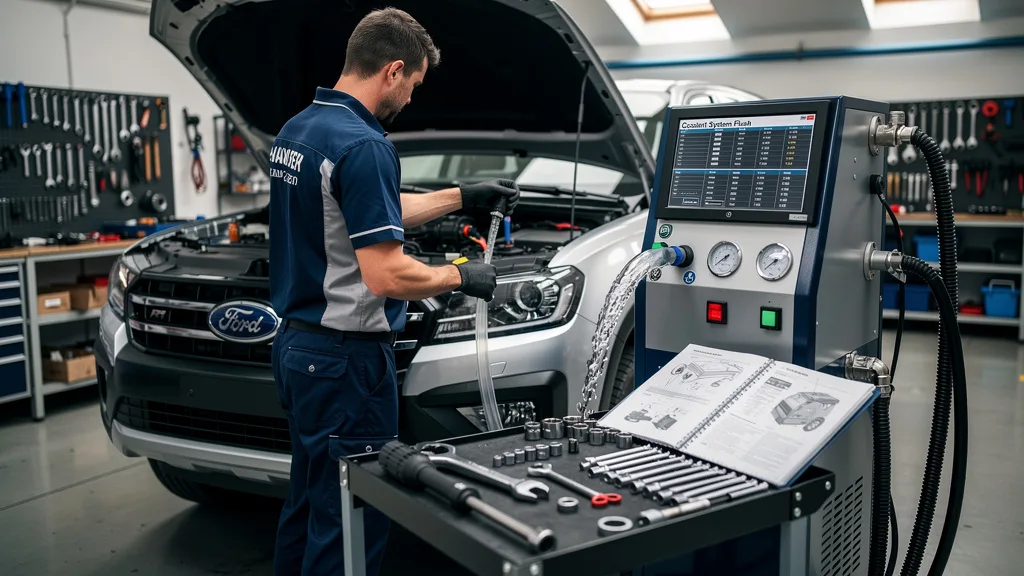
At least once a year, or every 20,000 km, you should have a technician perform a comprehensive cooling system check. This includes a pressure test to find hidden leaks, a thermostat function test, inspection of all hoses and belts, and checking the fan operation. A full coolant flush and replacement should be performed every two to three years, or as specified by your vehicle's manufacturer, to maintain its protective properties.
Choosing the Right Coolant for Your Vehicle
Using the correct coolant is non-negotiable. Vehicle manufacturers specify particular types of coolant for a reason. These formulations contain specific additives to prevent corrosion and are compatible with the metals and plastics used in your engine's cooling system. Using the wrong type, or mixing different types, can lead to a chemical reaction that causes sludge, blockages, and accelerated corrosion.
Coolants come in different colours, such as green, orange, pink, or blue, which typically denote their chemical makeup (e.g., IAT, OAT, HOAT). Always refer to your owner's manual or consult with a professional mechanic to ensure you are using the correct specification for your diesel engine. This simple step is critical for the long-term health of your entire cooling system. You can learn more about Why Is My Car Overheating? from authoritative sources.
Tips for Monitoring Engine Temperature While Driving
Being an attentive driver can help you catch an overheating problem before it becomes critical. Make a habit of glancing at your temperature gauge regularly, especially when driving in heavy traffic, towing a load, or climbing hills. Understand what is 'normal' for your vehicle; the needle should typically sit right in the middle of the gauge once the engine is warm.
If you notice the needle starting to climb even slightly above its normal position, be proactive. Turn off the AC, reduce your speed, and if possible, shift to a lower gear to increase engine RPMs without increasing speed, which can help circulate coolant faster. This vigilance can give you the crucial warning needed to pull over and investigate before the temperature reaches the danger zone. Knowing how to Fix your Overheating Engine can be a lifesaver.
Key Takeaways
Effectively managing and preventing diesel engine overheating in Darwin's demanding climate boils down to vigilance and proactive maintenance. The most critical takeaway is to act immediately at the first sign of rising temperatures by safely pulling over and shutting down the engine to prevent severe damage. Understanding the common culprits, such as low coolant, a faulty thermostat, or a failing water pump, can help you troubleshoot or provide accurate information to a mechanic.
Regular maintenance is not just a recommendation; it's a necessity in the Top End. Adhering to a service schedule that includes annual cooling system pressure tests and regular coolant flushes is the most cost-effective way to ensure reliability. Always use the manufacturer-specified coolant and keep an eye on your temperature gauge to catch issues early. These practices are the foundation for avoiding the stress and high costs associated with an overheated engine.
Frequently Asked Questions
What temperature is considered too hot for a diesel engine?
Most diesel engines operate optimally between 80°C and 105°C. Anything consistently above 110°C is entering a danger zone. If your temperature gauge needle moves into the red section or a warning light illuminates, your engine is officially overheating, and you should pull over immediately to prevent critical damage like a warped cylinder head.
The exact 'too hot' temperature can vary slightly by manufacturer, but the dashboard warning system is the universal signal for immediate action. Do not risk continuing to drive, as the cost of repair increases exponentially with every minute the engine runs hot.
Can I use water instead of coolant in an emergency?
Yes, in a genuine emergency, you can use plain or distilled water to top up the cooling system to get you to a safe location or a repair shop. However, this should only be a temporary solution. Water has a lower boiling point than coolant and contains none of the anti-corrosion or lubricating additives your system needs.
Running on water for an extended period, especially in Darwin's heat, increases the risk of boiling over and can lead to internal rust and scale buildup. As soon as possible, you should have the system professionally flushed and refilled with the correct type of coolant.
How often should I have my diesel's cooling system checked in Darwin?
Due to the extreme and constant heat in Darwin, we recommend a comprehensive cooling system inspection at least once a year or every 20,000 kilometres, whichever comes first. This is more frequent than in cooler climates but is essential for preventing premature failure of components like hoses, belts, and the water pump.
This check should be part of your routine service and include a pressure test, hose and belt inspection, and a verification of the cooling fan's operation. A full coolant flush is recommended every 2-3 years to maintain its protective qualities against corrosion.
What are the common signs of a failing water pump?
The most common signs of a failing water pump are a steady coolant leak from the front-center of your engine, a high-pitched whining or grinding noise that changes with engine speed, and, ultimately, rapid engine overheating. You may also notice the pulley on the water pump feels loose or wobbly if you check it (with the engine off).
Because the water pump is the heart of the cooling system, any of these symptoms should be treated as serious. A complete failure will stop coolant circulation instantly, leading to rapid overheating. It's crucial to have it inspected and replaced by a professional as soon as these signs appear.
How much can engine overheating repair costs in AUD be?
The repair costs in AUD for an overheating engine can vary dramatically, from under $200 to over $10,000. A simple fix like replacing a faulty thermostat or a leaky hose might cost between $150 and $400. Replacing a water pump or radiator could range from $500 to $1,500, depending on the vehicle model.
However, if overheating is ignored and leads to a blown head gasket or a cracked cylinder head, the repair costs can quickly escalate into the thousands, often between $3,000 and $10,000 or more for a full engine rebuild or replacement. This is why immediate action and preventative maintenance are so critical.
Conclusion
Navigating the causes and fixes for diesel engine overheating in Darwin requires a proactive approach. By recognizing the early warning signs, understanding the strain our unique climate puts on your vehicle, and committing to a regular maintenance schedule, you can protect your engine from costly damage. Remember to act swiftly if your temperature gauge rises, and never hesitate to call a professional when the problem is beyond a simple roadside check. Keeping your cooling system healthy is the key to reliable motoring in the Top End.
Don't wait for the temperature gauge to hit the red. If your diesel is running hot or it's been a while since your last cooling system check, our certified technicians are here to help. We offer honest, upfront diagnostics and repairs for all diesel vehicles. Book a Service online today and drive with confidence.
Written by MechanicDarwin Technical Team
MechanicDarwin Trade-Qualified Technician
Trade-qualified technician at MechanicDarwin with extensive experience diagnosing and repairing vehicles under extreme Northern Territory conditions.