
5 Common Diesel Engine Noises and What They Mean in Darwin
Hearing a knock, tick, or squeal from your diesel in Darwin? Our 2026 guide explains 5 common diesel engine noises and what they mean. Find out when to worry.
MechanicDarwin Technical Team
MechanicDarwin Certified Technician

Is that new sound from your diesel engine just a normal quirk, or a sign of a serious problem waiting to happen in Darwin's demanding climate? Understanding what your vehicle is trying to tell you is the first step in preventing a costly breakdown.
The 5 common diesel engine noises and what they mean in Darwin include knocking from fuel issues, ticking from low oil, hissing from vacuum leaks, squealing from worn belts, and grinding from serious internal damage. Each sound points to a specific problem, and knowing the difference can help you decide whether to seek professional help immediately. Ignoring these auditory warnings can lead to significant engine trouble, especially in the Top End's heat and humidity.
Understanding Normal vs. Problematic Diesel Engine Noises
Diesel engines are naturally louder than their petrol counterparts. The characteristic clatter, often called 'diesel knock', is a normal result of the compression ignition process where fuel ignites from high pressure, not a spark plug. This sound is more pronounced when the engine is cold and usually quiets down as it warms up. You'll become familiar with the everyday hum and clatter of your vehicle.
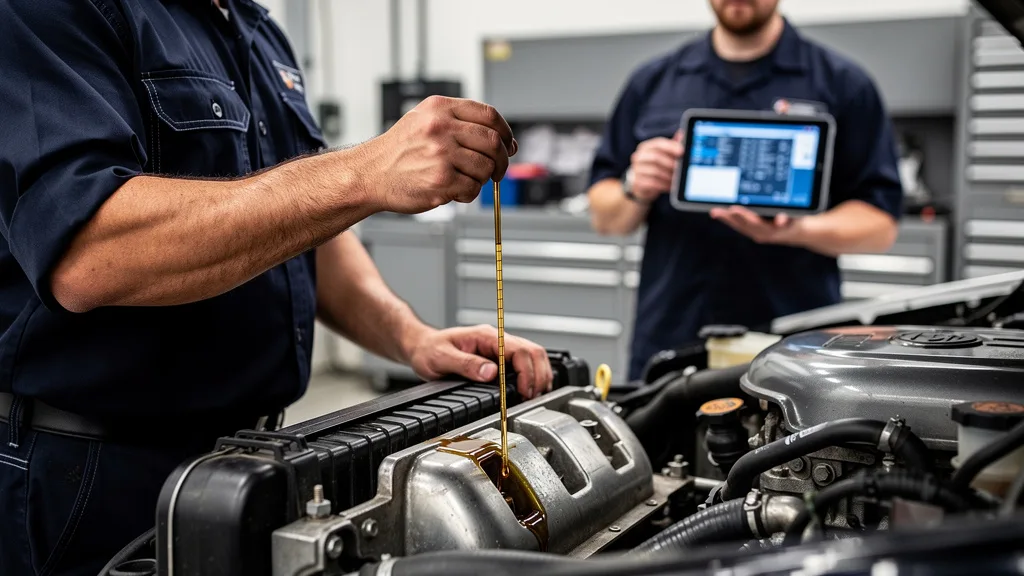
The key is to listen for changes. A new noise, or an old one that suddenly gets louder, changes pitch, or only appears under certain conditions (like accelerating or idling), is a sign that something is wrong. Problematic noises are often sharper, more metallic, or higher-pitched than the engine's normal operating sounds. Differentiating between the standard diesel rumble and a cry for help is a crucial skill for any diesel owner in Darwin.
To help you identify potential issues, we've compiled a quick reference table of common problematic sounds. This table gives you an at-a-glance guide to what you might be hearing and how seriously you should take it.
| Noise | Potential Cause | Severity Level | Recommended Action |
|---|---|---|---|
| Knocking / Pinging | Injector issues, poor fuel quality, timing problems | Moderate to High | Use quality fuel; have injectors checked. |
| Ticking / Tapping | Low oil pressure, worn valvetrain components | Low to Moderate | Check oil level; use correct oil viscosity. |
| Hissing / Whistling | Vacuum leak, turbo issue, exhaust leak | Moderate | Inspect hoses and gaskets; seek professional diagnosis. |
| Squealing / Screeching | Worn or loose serpentine belt, pulley bearing failure | Low to Moderate | Inspect belts for wear and tension. |
| Grinding / Rumbling | Bearing failure, transmission issues, water pump failure | High | Stop driving immediately and call a mechanic. |
1. Engine Knocking or Pinging
While a certain level of clatter is normal for a diesel, a loud, sharp knocking or pinging sound that intensifies with acceleration is a definite cause for concern. This isn't the standard diesel sound; it's a more aggressive and metallic noise that signals an underlying problem with combustion.
What This Noise Sounds Like
A problematic diesel knock is a sharp, metallic rapping sound, almost like marbles rattling inside a can. It's distinct from the engine's regular, deeper clatter. You might notice it's louder when the engine is under load, such as when you're accelerating or towing. This is different from the mild 'tick knock or rattle' you might hear on a cold start, which should fade as the engine reaches operating temperature.
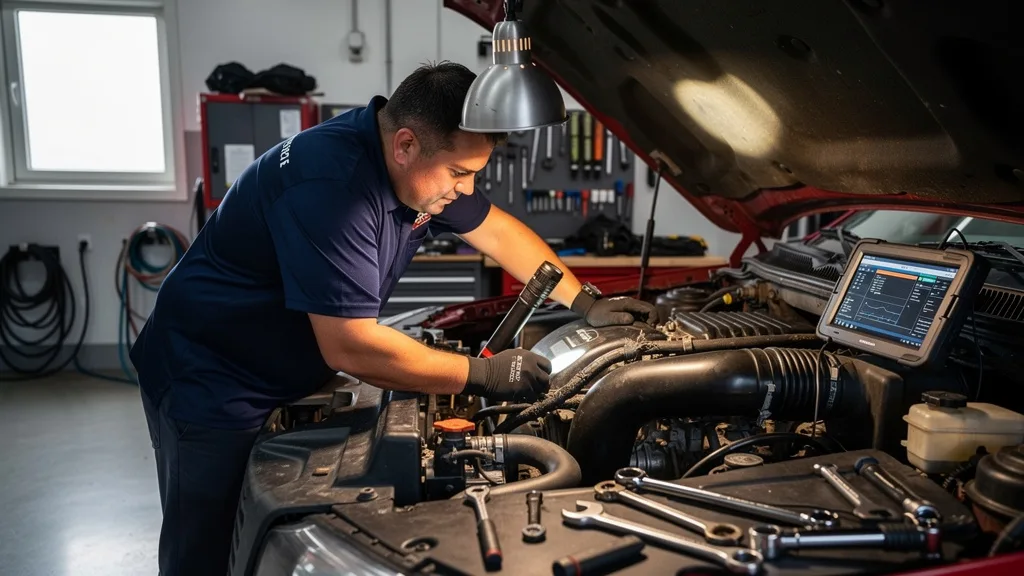
This sound is often referred to as detonation knock. It occurs when the fuel ignites too early or too violently in the combustion chamber. This uncontrolled explosion creates a shockwave that strikes the cylinder walls and piston, producing the audible knocking sound you hear.
Common Causes of Diesel Engine Knock
Several factors can cause this alarming noise. One of the most common culprits is a faulty fuel injector that is spraying fuel incorrectly, leading to poor atomization and uneven combustion. Using low-quality or contaminated diesel fuel can also lower the cetane rating, causing it to ignite improperly under pressure.
Other potential causes include incorrect injection timing, where the fuel is delivered at the wrong moment in the combustion cycle. Carbon buildup on pistons or in the combustion chamber can also create hot spots, leading to pre-ignition. In some cases, more serious internal engine problems like worn bearings could be the source of the knock.
What You Should Do About It
If you hear a persistent engine knock, the first step is to ensure you are using high-quality diesel from a reputable supplier. You can also try a cetane booster additive to see if the noise subsides. However, if the noise continues, it's crucial to have it professionally diagnosed to prevent further damage.
A qualified mechanic can test the fuel injectors, check the injection timing, and inspect for carbon buildup. Ignoring a significant knocking sound can lead to severe engine damage, including piston and cylinder wall failure. For peace of mind, it's best to consult a specialist who can pinpoint the exact cause of the common diesel engine noises and perform the necessary repairs.
2. Ticking or Tapping
A rhythmic ticking or tapping noise that speeds up as you increase RPM is another common sound that diesel owners may encounter. While sometimes minor, it can also be an early warning sign of an oil-related problem that needs your attention.
Identifying a Ticking Sound
This noise is typically a light, high-pitched 'tick-tick-tick' that corresponds directly with engine speed. It's often more noticeable at idle or when the engine is cold. It sounds different from a deep knock and is more consistent and rhythmic than a random rattle. You might hear it coming from the top part of the engine.
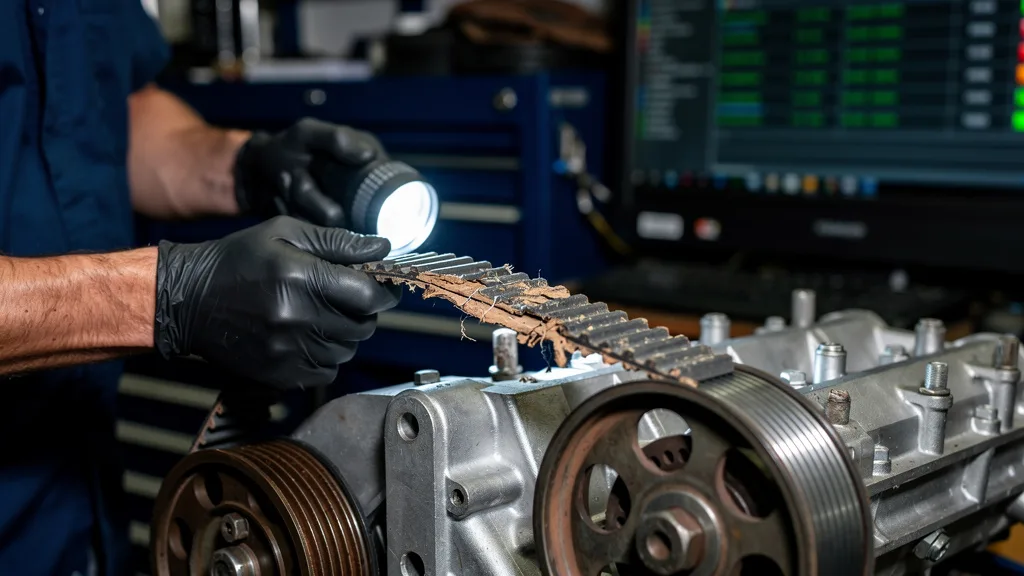
To pinpoint the sound, you can carefully use a mechanic's stethoscope or a long screwdriver (with the handle to your ear and the tip on the engine) to listen to different parts of the engine's top end. A ticking sound is usually related to the valvetrain, which controls the flow of air and exhaust gases in and out of the cylinders.
Potential Reasons for Tapping Noises
The most frequent cause of a ticking noise is low oil level or low oil pressure. The valvetrain components, like lifters and rocker arms, rely on a steady supply of oil to function quietly and smoothly. If oil is low, these parts can become noisy. Using the wrong oil viscosity for Darwin's climate can also cause this issue, as oil that is too thin may not provide adequate lubrication when hot.
Other causes include a worn or stuck hydraulic lifter, which can fail to pump up with oil, leaving a gap in the valvetrain that creates a tapping sound. A simple exhaust leak near the manifold can also produce a ticking noise that can be mistaken for an internal engine problem. Less commonly, it could indicate wear on other valvetrain components like camshafts or pushrods.
Recommended Actions for a Ticking Engine
Your first and most important action is to check your engine oil level immediately. If it's low, top it up with the manufacturer-recommended grade of oil and see if the noise disappears. An oil and filter change might be all that's needed if the oil is old or dirty. You should also check for any visible oil leaks around the engine.
If the oil level is correct but the ticking persists, it's time to seek professional help. A mechanic can perform an oil pressure test and inspect the valvetrain for worn components. Continuing to drive with a persistent tick could lead to more significant wear and eventual engine failure. For reliable diagnostics, consider our expert car servicing in Darwin to get to the root of the problem.
3. Hissing or Whistling
A hissing or whistling sound from your engine bay, especially one that changes with engine speed or load, usually points to a leak. This could be a leak of air, vacuum, or even coolant, and it's a noise you shouldn't ignore.
What a Hissing Noise Indicates
A hissing sound is the noise of air or fluid escaping under pressure. It might be constant at idle or only appear when you accelerate. If your diesel engine is turbocharged, a whistle that gets louder as the turbo spools up is a classic sign of a boost leak. This means the pressurized air from the turbo is escaping before it reaches the engine, robbing you of power and fuel efficiency. Top End's heat and humidity.
This sound is distinct from a belt squeal. It's more of a 'sssss' or a high-pitched whistle, similar to air leaking from a tyre. Locating the source can be tricky, as the sound can travel, but it's often related to the engine's intake system or accessories.
Likely Sources of a Whistle
For turbocharged diesels, the most common source is a leak in the intake system after the turbo. This could be a split in a boost pipe, a loose clamp, or a crack in the intercooler. A failing turbocharger itself can also produce a high-pitched siren-like whistle, which is a much more serious issue.
Another common cause is a vacuum leak from a cracked or disconnected vacuum hose. The engine uses vacuum to control various systems, and a leak can cause a hissing sound as well as poor performance and a rough idle. Less frequently, a hissing sound can be caused by a leak in the cooling system, where hot coolant is escaping as steam, or a leak from the exhaust gas recirculation (EGR) valve.
How to Address the Hissing Sound
Start with a visual inspection of the engine bay. Look for any obvious cracked, split, or disconnected hoses, particularly the large-diameter pipes running to and from the turbocharger and intercooler. You can sometimes feel for a vacuum leak by running your hand near the vacuum lines while the engine is idling.
However, finding these leaks can be difficult and often requires specialized equipment like a smoke machine, which fills the system with vapor to make leaks visible. If you suspect a boost or vacuum leak, it's best to have it diagnosed by a professional. Driving with a significant boost leak can cause the turbo to over-speed, leading to premature failure, and can also impact your vehicle's overall performance. If you need a quick diagnosis, our mobile mechanic in Darwin can come to you.
4. Squealing or Screeching
A high-pitched squeal or screech coming from the front of the engine is one of the most common and annoying sounds a vehicle can make. This noise is almost always related to the engine's accessory drive belt, also known as the serpentine belt.
Characterizing a High-Pitched Squeal
This is a sharp, piercing sound that often gets worse on a cold start, in damp weather, or when you first turn on a high-load accessory like the air conditioning. The noise may be constant, or it might come and go. It will typically change pitch or volume as you rev the engine. It's a very distinct sound that's hard to confuse with other engine noises.
The sound is caused by the rubber belt slipping on a metal pulley. This slip-stick motion creates a high-frequency vibration that we hear as a squeal. While often just an annoyance, it can also indicate a component that is about to fail.
Why Your Engine Might Be Squealing
The number one cause is a worn or glazed serpentine belt. Over time, the rubber hardens and loses its grip, causing it to slip on the pulleys. The belt could also be loose due to a failing automatic tensioner, which is supposed to maintain the correct pressure on the belt.
Another common reason is fluid contamination. If oil, coolant, or power steering fluid leaks onto the belt, it will lose traction and squeal. The noise could also come from a failing pulley bearing on one of the accessories driven by the belt, such as the alternator, water pump, or air conditioning compressor. In this case, the noise is from the bad bearing itself, not the belt slipping.
Steps to Take for a Squealing Noise
You can start by visually inspecting the serpentine belt. Look for cracks, fraying, glazing (a shiny appearance), or any signs of fluid contamination. With the engine off, you can also check the belt's tension. It should be taut, with very little give when you press on it.
While 'belt dressing' sprays are sold as a quick fix, they often just mask the problem and can make things worse by attracting dirt. The correct solution is to identify and fix the root cause. This usually means replacing a worn belt and/or a faulty tensioner. If a pulley bearing is failing, that component will need to be replaced. Ignoring a squealing belt can lead to it breaking, which will cause your engine to overheat and lose power steering and charging capabilities, leaving you stranded.
5. Grinding or Rumbling
Of all the potential engine noises, a grinding or deep rumbling is often the most serious. This sound usually indicates metal-on-metal contact, which means a critical component is failing. If you hear this noise, you should stop driving immediately.
A grinding noise is a harsh, scraping sound, like two pieces of metal being forced against each other. A deep rumbling can sound like a low growl that gets louder and more intense with engine speed. These sounds are not subtle; they are loud, alarming, and feel like they are coming from deep within the engine or transmission.
These are not the typical 'knocking rattlin' sounds of a diesel. A grinding or rumbling noise indicates a catastrophic failure is imminent. It's a sound that you will likely feel as a vibration through the vehicle as well as hear.
Serious Issues Behind Grinding Sounds
The most common cause of a deep grinding or rumbling is a failed main engine bearing or connecting rod bearing. These bearings provide a cushion of oil for the engine's rotating parts. When they wear out, the metal parts make direct contact, quickly destroying themselves and the engine.
Other serious causes include a failing water pump, where the impeller bearings have seized, or a failing alternator bearing. In some cases, the sound might be coming from the transmission, indicating a problem with the torque converter or internal gears. No matter the source, a grinding noise signals a severe mechanical failure that requires immediate attention. Darwin auto mechanics.
Immediate Actions for a Grinding Engine
If you hear a grinding or deep rumbling noise, pull over safely and turn off the engine as soon as possible. Do not attempt to restart it or drive any further. Continuing to run the engine will cause exponentially more damage, turning a potentially repairable problem into one that requires a complete engine replacement.
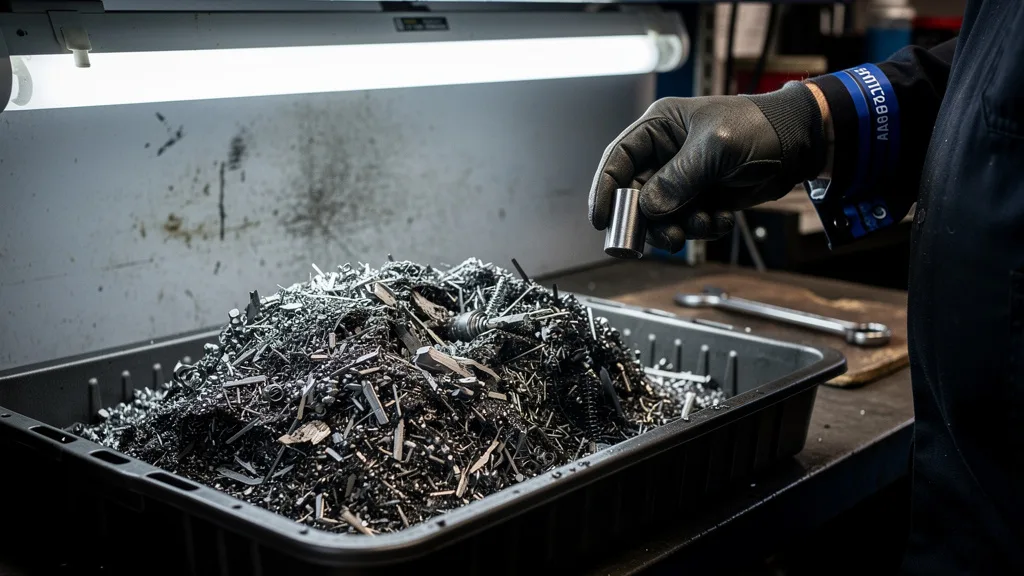
Your vehicle will need to be towed to a repair shop. This is not a situation for a roadside fix. A professional mechanic will need to diagnose the source of the noise, which will likely involve draining the oil to look for metal particles and potentially disassembling parts of the engine. For such critical issues, you need trusted and experienced Darwin auto mechanics.
When to See a Professional Diesel Mechanic in Darwin
While some noises have simple fixes, many require a trained ear and specialized tools to diagnose correctly. In a climate like Darwin's, where heat puts extra stress on engine components, it's wise not to delay repairs. Understanding how often you should service your car is key to preventing these noises from starting in the first place.
You should see a professional mechanic if the noise is loud, persistent, or gets worse over time. Grinding, deep knocking, and significant whistling sounds should be addressed immediately. Even a simple ticking noise that doesn't go away after checking the oil warrants a professional opinion. Trying to diagnose complex issues without the right experience can lead to misdiagnosis and unnecessary expense.
"Don't let a small noise turn into a big problem. In Darwin's heat, components are already under stress. A quick diagnostic check can save you thousands in the long run and ensure your vehicle is safe and reliable on the road." - Senior Technician, MechanicDarwin
A qualified diesel mechanic has the diagnostic equipment to test fuel pressure, injector performance, and turbocharger function accurately. They can differentiate between an exhaust leak and a lifter tick, or a water pump bearing and an alternator bearing. For reliable and honest service in Darwin and Palmerston, our team is equipped to handle everything from routine checks to complex engine diagnostics.
Key Takeaways
Listening to your diesel engine is a vital part of vehicle ownership. By understanding the difference between normal operation and problem sounds, you can catch issues early and prevent costly repairs. Here are the key points to remember from our 2026 guide:
- Knocking: A sharp, metallic rap often points to fuel injector or timing issues. Don't ignore it.
- Ticking: Usually a sign of low oil or a valvetrain problem. Check your oil level immediately.
- Hissing: Indicates a vacuum or boost leak, robbing your engine of power and efficiency.
- Squealing: Almost always a worn or loose serpentine belt, which can leave you stranded if it breaks.
- Grinding: The most serious sound, indicating severe internal damage. Stop driving immediately and call for a tow.
- When in Doubt, Get it Checked: For any new or persistent noise, the safest and most cost-effective solution is a professional diagnosis from a trusted mechanic. You can learn more about How to Identify and Resolve these issues from other experts as well.
Frequently Asked Questions
What does a failing diesel injector sound like?
A failing diesel injector often creates a loud, sharp, and rhythmic knocking or nailing sound. This is because the injector is either stuck open, delivering too much fuel, or has a bad spray pattern, causing uncontrolled combustion. The noise is typically more pronounced than the normal diesel clatter and can be isolated to a single cylinder.
What are the common causes of noise in a diesel engine?
You might also notice other symptoms alongside the noise, such as black or white smoke from the exhaust, a rough idle, poor fuel economy, and a loss of power. Ignoring a faulty injector can lead to serious engine damage, including melted pistons or washed-out cylinder bores.
Why do diesel engines sound different from petrol engines?
The most common causes of abnormal noise in a diesel engine are related to the fuel system, lubrication system, or accessory components. Fuel system issues, like bad injectors or poor fuel quality, cause knocking. Lubrication problems, such as low oil level or pressure, lead to ticking or tapping from the valvetrain.
Why do many diesel engines sound like they are knocking?
Accessory components are another frequent source. A worn serpentine belt will cause a high-pitched squeal, while a failing bearing in the alternator or water pump can cause grinding or squealing. Finally, leaks in the turbo or vacuum systems create a distinct hissing or whistling sound.
Diesel engines sound different primarily because of how they ignite fuel. A petrol engine uses a spark plug to ignite a compressed mixture of air and fuel. This is a relatively smooth and controlled event. A diesel engine, however, uses compression ignition.
It compresses air to an extremely high pressure, which raises its temperature significantly. Fuel is then injected into this hot, high-pressure air, causing it to spontaneously combust. This explosive ignition creates a much sharper pressure wave, which is what produces the characteristic louder, clattering sound of a diesel engine.
The sound many people describe as 'knocking' in a healthy diesel engine is a normal part of its operation. This clatter is the audible result of the compression ignition process. The rapid and powerful explosion of fuel being injected into highly compressed, hot air creates a distinct and sharp sound for each cylinder's power stroke.
This normal operational sound is often more noticeable at idle and when the engine is cold. However, it's crucial to distinguish this standard clatter from a problematic 'knock' which is sharper, more metallic, and often indicates an issue with combustion timing, fuel injectors, or fuel quality, as discussed earlier.
Conclusion
Understanding the difference between your diesel's normal clatter and a new, problematic noise is your first line of defence against unexpected breakdowns and expensive repairs in 2026. By learning to identify the sounds of knocking, ticking, hissing, squealing, and grinding, you can take swift, informed action. Remember that a noise is your engine's way of communicating a problem, and addressing it early is always the smartest and most cost-effective approach, especially in Darwin's tough conditions.
If you're hearing a sound that concerns you, don't wait for it to become a major failure. Our team of trade qualified technicians at MechanicDarwin is here to provide honest diagnostics and expert repairs for all diesel vehicles. We offer fixed quotes and prompt service to get you back on the road safely. Book a Service online today or give us a call for peace of mind.
Written by MechanicDarwin Technical Team
MechanicDarwin Trade-Qualified Technician
Trade-qualified technician at MechanicDarwin with extensive experience diagnosing and repairing vehicles under extreme Northern Territory conditions.