
Diesel Engine Maintenance in Darwin: A 2026 Beginner's Guide
New to diesel engines in Darwin? Our 2026 guide covers maintenance schedules, checklists, and tips to prevent costly repairs in the NT's climate. Learn more.
MechanicDarwin Technical Team
MechanicDarwin Certified Technician

Are you getting the most out of your diesel vehicle in Darwin's demanding climate? For many, the key to reliability and avoiding expensive breakdowns lies in understanding the unique needs of a diesel engine. This guide provides the essential knowledge you need to keep your vehicle running smoothly on Top End roads.
Proper diesel engine maintenance in Darwin involves regular checks of fluids, filters, and fuel systems, adapted for the harsh tropical climate. Following a consistent maintenance schedule, which includes both DIY inspections and professional servicing every 6-12 months or 10,000 km, is key to preventing costly downtime, improving fuel efficiency, and ensuring your vehicle's reliability.
Why Regular Diesel Engine Maintenance Is Crucial in Darwin
Maintaining a diesel engine in the Top End presents unique challenges compared to other parts of Australia. Darwin's combination of high heat, intense humidity, and a distinct wet season puts extra strain on every component of your vehicle. Regular maintenance is not just a recommendation, it's a necessity for preventing premature wear and tear. The heat can degrade engine oil faster, while humidity can introduce moisture into the fuel system, creating a risk of microbial growth, often called 'diesel bug'.
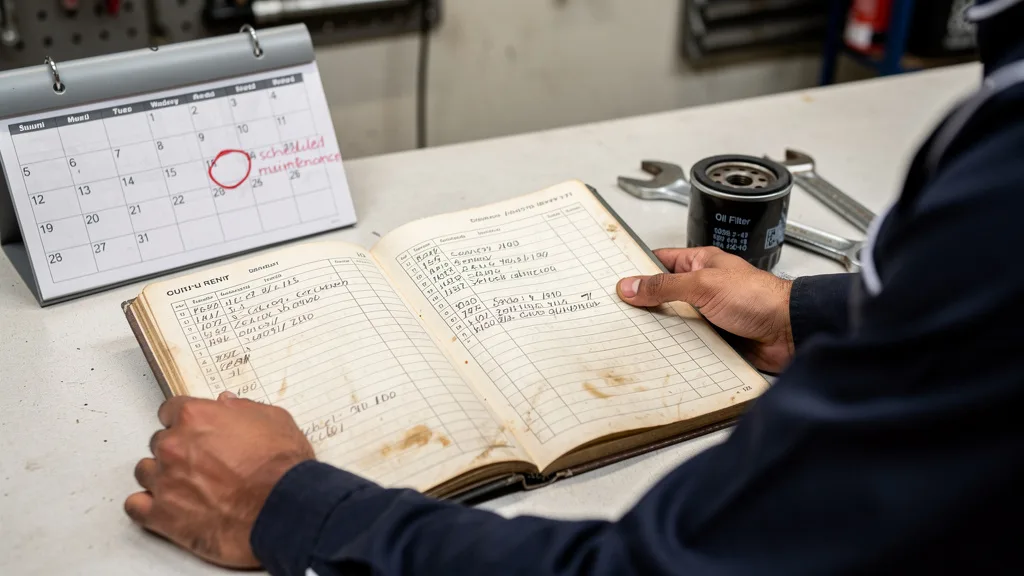
Ignoring these factors leads directly to unplanned downtime and expensive problems. A clogged fuel filter from contaminated diesel or an overheating engine due to a failing cooling system can leave you stranded. Following A Beginner's Guide to Diesel Engine Maintenance in Darwin is your first line of defense. Proactive care ensures your engine operates at peak efficiency, saves you money on fuel, and prevents the kind of catastrophic failure that results in a stalled job site or a ruined holiday trip.
"Many of the costliest diesel engine problems we see are a direct result of a missed service interval or an overlooked warning sign. A little proactive maintenance saves thousands in the long run by preventing costly downtime."
How Often Should You Service Your Diesel Engine?
Determining the correct service interval for your diesel vehicle is a common point of confusion. The answer depends on a blend of manufacturer guidelines, your driving habits, and the specific environmental conditions you face. A vehicle used for light commuting will have different needs than a 4WD that regularly tows a boat or explores off-road tracks during the dry season.
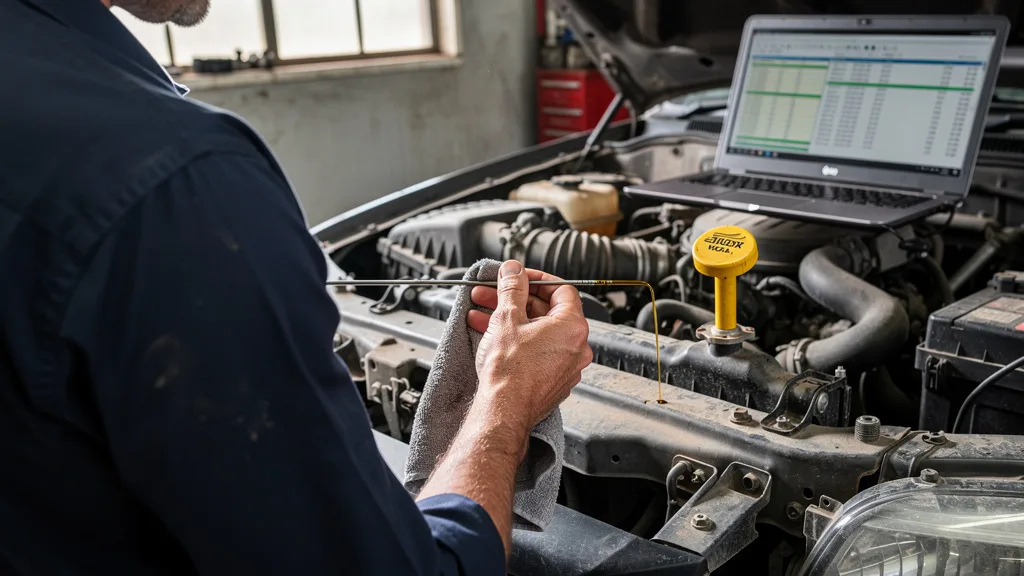
As a general rule for modern diesel vehicles in Darwin, a service every 10,000 to 15,000 kilometers or every 12 months, whichever comes first, is a solid starting point. However, due to the harsh local climate, many owners and mechanics recommend a more frequent interval of every 10,000 kilometers or 6 months. This helps to combat the effects of heat and humidity on your engine's oil and filters.
Manufacturer Recommendations vs. Real-World Conditions
Your vehicle's logbook provides the manufacturer's recommended service schedule. While this is an excellent baseline, it's often designed for ideal or average operating conditions, not the persistent heat and humidity of Darwin. These 'standard' intervals may not account for the accelerated degradation of fluids and the increased likelihood of dust and water ingress that are part of daily life in the Northern Territory.
It's crucial to treat the manufacturer's schedule as the minimum requirement. For real-world reliability in the Top End, you should consider a more rigorous schedule, especially if you engage in heavy towing, frequent short trips, or extensive off-roading. Discussing your specific usage with an experienced diesel mechanic can help you tailor a plan that truly protects your investment. You can also learn more about how often you should service your car in Darwin's climate for a broader perspective.
Your vehicle will often give you warning signs that a service is due or that a problem is developing. Paying attention to these signals can help you avoid a breakdown and a much larger repair bill. Do not ignore these symptoms, as they are your engine's way of asking for help.
Be on the lookout for any of the following indicators:
- Excessive Smoke: White, black, or blue smoke from the exhaust points to different issues, from injector problems to internal engine wear.
- Difficulty Starting: If your engine cranks longer than usual or struggles to turn over, it could be a sign of failing glow plugs or a fuel delivery issue.
- Reduced Power or Fuel Economy: A noticeable drop in performance or an increase in fuel consumption often indicates clogged filters or a problem with the turbocharger or fuel injectors.
- Unusual Noises: Knocking, tapping, or squealing sounds are never normal and warrant an immediate inspection.
- Warning Lights: Any illuminated warning light on your dashboard, especially the 'check engine' light, requires professional diagnosis.
An Essential Diesel Engine Maintenance Checklist for 2026
A structured approach to maintenance is the most effective way to ensure your diesel engine's longevity. By breaking tasks down into daily, monthly, and annual checks, you can stay on top of your vehicle's health without feeling overwhelmed. This checklist provides a practical framework for any diesel owner in Darwin.
Daily and Weekly Checks You Can Perform
These simple checks take only a few minutes but are crucial for catching problems early. Make them a regular part of your routine. Before a long trip, or at least once a week, take a moment to inspect these key areas. This habit can be the difference between a minor top-up and a major roadside failure.

Start with a visual inspection under the bonnet. Look for any signs of leaks, frayed belts, or loose connections. Check the engine oil level using the dipstick and top up if necessary. Also, check the coolant level in the overflow reservoir to ensure your engine has what it needs to stay cool in the Darwin heat.
Monthly and Quarterly Inspection Points
On a monthly basis, you should delve a little deeper. Inspect your air filter; in dusty Top End conditions, it may need cleaning or replacing more often than the manufacturer suggests. A dirty air filter restricts airflow, hurting performance and fuel economy. This is also a good time to check your battery terminals for corrosion and ensure they are tight.
A critical check for diesel engines is draining water from the fuel filter's water separator. Water in the fuel can cause significant damage to high-pressure injectors. Most diesel 4WDs and trucks have a simple tap or plug for this purpose. If you're unsure how to do this, it's a quick job for a mechanic and a great skill to learn for any diesel owner. log book service vs general service.
Critical Items for Annual Professional Servicing
While DIY checks are important, they are not a substitute for professional servicing. An annual or bi-annual visit to a qualified diesel mechanic in Darwin is essential for tasks that require specialized tools and expertise. This is where a technician can perform a comprehensive health check on your engine and prevent long-term damage.
During a professional service, a mechanic will address critical systems that keep your diesel running reliably. This is the foundation of a good diesel engine maintenance schedule and ensures your vehicle is ready for anything the Territory can throw at it. For convenient on-site work, a mobile mechanic service can perform many of these tasks at your home or workplace.
| Service Item | Purpose | Typical Frequency (Darwin Conditions) |
|---|---|---|
| Engine Oil and Filter Change | Lubricates and cleans internal components. | Every 6-12 months or 10,000 km |
| Fuel Filter Replacement | Protects injectors from contaminants and water. | Every 12 months or 20,000 km |
| Air Filter Replacement | Ensures clean airflow for efficient combustion. | Every 12 months or as needed based on dust |
| Cooling System Flush | Prevents overheating and corrosion. | Every 2-3 years |
| ECU Diagnostic Scan | Checks for stored fault codes and sensor issues. | Annually |
Proactive Maintenance Tips to Extend Engine Life
Beyond the service checklist, your daily driving habits play a significant role in the longevity of your diesel engine. One of the best things you can do is allow your engine to reach its full operating temperature on every drive. Frequent short trips where the engine doesn't warm up properly can lead to carbon build-up and oil dilution.
Using high-quality fuel from reputable service stations is another key factor. Poor quality diesel can contain contaminants that clog filters and damage sensitive fuel system components. For turbo-diesel engines, it's also good practice to let the engine idle for 30-60 seconds before shutting it down after a hard run or towing. This allows the turbocharger to cool down, preventing oil coking and prolonging its life. For more foundational knowledge, consider this excellent A Beginner's Guide To Understanding diesel engines.
Building a Custom Maintenance Schedule That Works
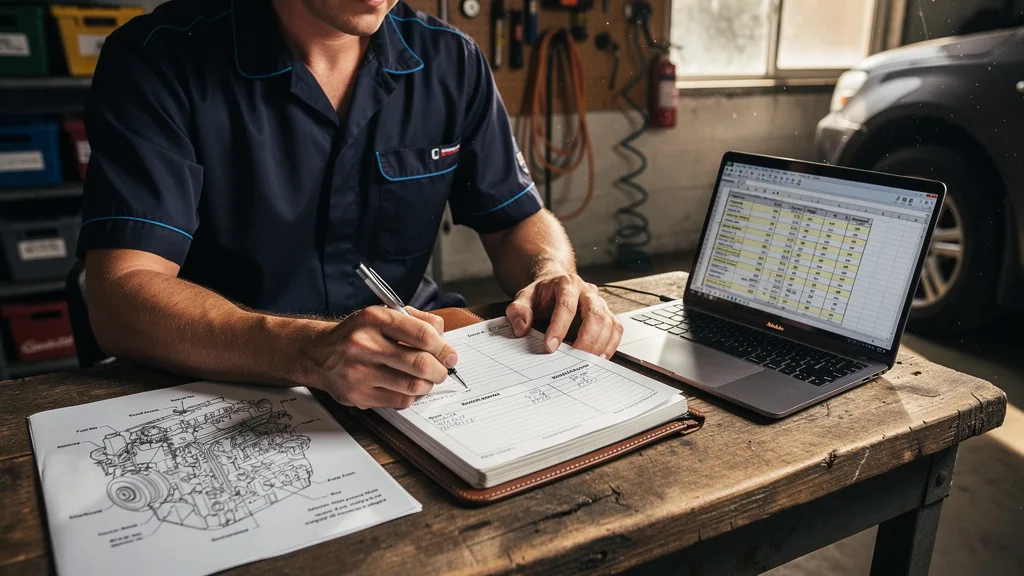
The most effective maintenance plan is one that is tailored to your specific vehicle and how you use it. Start with the manufacturer's recommendations in your logbook as a foundation. Then, adjust it based on your driving patterns and the harsh Darwin environment. Create a simple logbook or use a smartphone app to track your services, fuel consumption, and any notes about your vehicle's performance.
If you frequently tow a heavy trailer, you should shorten the intervals for your engine oil, transmission fluid, and differential oil changes. If your travels often take you down dusty, unsealed roads, your air filter will need more frequent attention. By creating a custom schedule, you move from reactive repairs to proactive care, which is the secret to a reliable and long-lasting diesel vehicle.
Finding a Reputable Diesel Mechanic in Darwin
Choosing the right mechanic is just as important as following a maintenance schedule. Look for a workshop with experienced, trade-qualified diesel mechanics who understand the specific demands of modern diesel engines, including common rail systems, turbochargers, and emissions equipment like Diesel Particulate Filters (DPFs).
A reputable mechanic will provide upfront, fixed-price quotes and will take the time to explain the work that is needed and why. They should have modern diagnostic equipment to accurately troubleshoot issues and be transparent about their findings. At MechanicDarwin, our team of experienced diesel specialists is committed to providing honest advice and high-quality workmanship for all types of diesel vehicles, from family SUVs to commercial 4WDs.
Key Takeaways
Mastering the basics of diesel care is achievable for any owner. By staying informed and proactive, you can ensure your vehicle remains a dependable asset. Here are the most important points to remember from this guide:
- Adapt to Darwin's Climate: The heat and humidity require more frequent fluid and filter changes than standard manufacturer recommendations.
- Follow a Checklist: Combine simple weekly DIY checks with a comprehensive annual service from a professional diesel mechanic.
- Listen to Your Engine: Pay attention to warning signs like smoke, strange noises, or reduced power, and act on them quickly.
- Drive Smart: Allow your engine to warm up properly, use quality fuel, and practice turbo cool-down procedures to extend engine life.
- Choose an Expert: Partner with a reputable experienced diesel mechanic who understands the nuances of modern diesel engines.
Frequently Asked Questions
Is it better to let a diesel engine idle or shut it off?
For modern diesel engines, it is generally better to shut the engine off if you plan to be stopped for more than a minute or two. Excessive idling wastes fuel, can contribute to carbon build-up in the engine and exhaust system, and may cause issues with the Diesel Particulate Filter (DPF). The old advice about idling diesels for long periods is less relevant for today's electronically controlled engines.
The main exception is after a hard run, such as towing up a long hill. In this case, letting the engine idle for 30-60 seconds allows the turbocharger to cool down with circulating oil, which is crucial for its longevity. For brief stops like at a traffic light, shutting the engine off is unnecessary.
How long can a diesel engine sit without being driven?
A modern diesel vehicle can typically sit for 3-4 weeks without major issues, but problems can start to arise after that. The primary concern is the battery, which will slowly discharge over time. After a month or more, you may need a jump start or a battery charger. If a vehicle is going to be stored for several months, a battery tender is highly recommended.
Other potential issues from long-term storage include fuel degradation (though diesel is more stable than petrol), the development of flat spots on tires, and the potential for moisture to accumulate in the fuel tank. If you need to store your vehicle for an extended period, it's best to drive it for at least 30 minutes every 2-3 weeks to keep everything lubricated and charged.
What are the key skills of a professional diesel mechanic?
A professional diesel mechanic needs a diverse skill set that combines traditional mechanical aptitude with modern technological expertise. Key skills include a deep understanding of fuel injection systems, expertise in diagnosing and repairing turbochargers, and proficiency with electronic diagnostic tools to read fault codes and interpret live data from the engine's computer (ECU).
They must also be skilled in servicing complex emissions control systems like DPFs and EGR valves, which are common sources of issues in modern diesels. Strong problem-solving abilities and a meticulous, systematic approach to diagnostics are what separate a parts-fitter from a true technician. Many study for years, using resources like a Mechanic Study Guide Engine Repair to master their craft.
What are the most common warning signs of diesel engine trouble?
The most common warning signs are often related to combustion and fuel delivery. Black smoke under acceleration is a classic sign, often pointing to over-fueling from a faulty injector or a restriction in the air intake, like a clogged air filter. White smoke, especially on startup, can indicate unburnt fuel, possibly from a failing glow plug or low compression.
A sudden loss of power or the vehicle entering a 'limp mode' is another frequent complaint, which can be triggered by dozens of issues, from a sensor failure to a turbocharger problem. A check engine light is the most direct warning sign and should always be investigated promptly with a diagnostic scan tool to retrieve the specific fault code and identify the root cause.
Conclusion
Following this beginner's guide to diesel engine maintenance in Darwin is the most effective way to ensure your vehicle is reliable, efficient, and ready for the challenges of the Top End. By understanding your engine's needs, performing regular checks, and partnering with a trusted mechanic for scheduled servicing, you can avoid unexpected and costly downtime. Proactive care is the key to unlocking the full potential and longevity of your diesel-powered vehicle in 2026.
Don't wait for a warning light to appear. If your diesel is due for a service or you have concerns about its performance, our team of qualified technicians is here to help. We provide honest advice and upfront quotes for all diesel servicing and repairs. Take the first step towards a healthier engine today and Book a Service online.
Written by MechanicDarwin Technical Team
MechanicDarwin Trade-Qualified Technician
Trade-qualified technician at MechanicDarwin with extensive experience diagnosing and repairing vehicles under extreme Northern Territory conditions.