
A Guide to Diagnosing Common Brake Issues in Darwin
Learn how to diagnose common brake issues in Darwin with our guide. Identify warning signs like squealing or a soft pedal and know when to call a pro.
MechanicDarwin Technical Team
MechanicDarwin Certified Technician

Are you confident your car can stop safely and effectively, especially during a sudden downpour in the wet season? Your vehicle's braking system is its most critical safety feature, and recognising problems early is essential for preventing accidents. Understanding the warning signs allows you to address issues before they become dangerous and costly failures.
Diagnosing common brake issues in Darwin involves listening for unusual noises like squealing or grinding, feeling for changes in the brake pedal such as sponginess or vibrations, and watching for the vehicle pulling to one side. A visual inspection of brake pads, rotors, and fluid levels can also reveal potential problems. If any of these signs appear, a professional inspection is crucial to ensure your safety on the road.
Key Warning Signs Your Brakes Need an Inspection
Your car often provides clear signals when its braking system requires attention. Ignoring these warnings can compromise your safety and lead to more expensive repairs down the line. Paying attention to new sounds, feelings, and visual alerts is the first step in responsible vehicle maintenance.
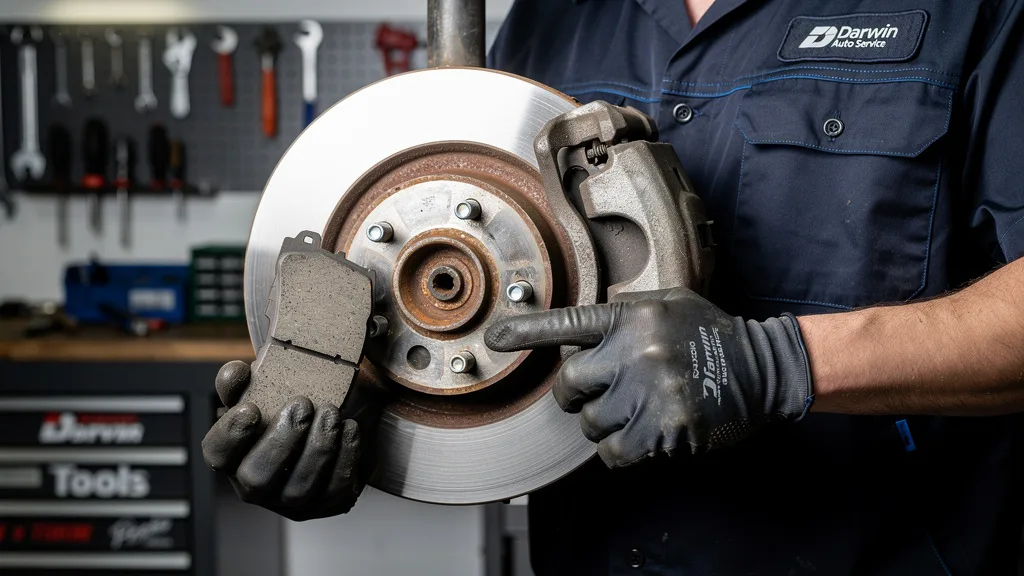
From strange noises to a change in pedal feel, these indicators are your vehicle's way of telling you that a crucial component is wearing out or failing. In Darwin's heat and humidity, brake components can wear differently, making it even more important to be vigilant. Knowing these signs helps you decide when it's time to call a professional mechanic.
Squealing, Grinding, or Squeaking Noises
One of the most common indicators of brake trouble is noise. A high-pitched squeal when you apply the brakes is often caused by a built-in wear indicator, a small metal tab on the brake pads designed to make noise when the pads are thin. This is an early warning that you need to schedule a replacement soon.
If you hear a harsh grinding or growling sound, it's a more serious issue. This noise typically means the brake pads have worn down completely, and the metal backing plate is now grinding against the brake rotor. This metal-on-metal contact can quickly damage the rotors, turning a simple pad replacement into a more complex and costly repair.
Spongy, Soft, or Unresponsive Brake Pedal
The feel of your brake pedal is a direct indicator of your braking system's health. A pedal that feels soft, spongy, or sinks toward the floor when you press it suggests a problem with the hydraulic system. This could be caused by air in the brake lines, which is a serious safety concern as it prevents the system from building the necessary pressure to stop the car effectively.
An unresponsive pedal can also point to a failing master cylinder, the component responsible for distributing hydraulic pressure. If your brake pedal's behaviour has changed, it requires immediate professional diagnosis. Do not delay, as a complete loss of braking power could occur.
Vibrations or Pulsating Through the Pedal or Steering Wheel
Do you feel a shuddering or pulsating sensation through the brake pedal or steering wheel when you slow down? This is a classic symptom of warped brake rotors. Rotors are the metal discs that the brake pads clamp onto, and they can become uneven over time due to intense heat and friction. This uneven surface causes the vibrating feeling as the pads pass over it.
While sometimes caused by an issue with wheel alignment, pulsation during braking almost always points to the rotors. Continuing to drive with warped rotors can lead to reduced braking effectiveness and further wear on other suspension components. Resurfacing or replacing the rotors is the only way to resolve this problem.
Your Vehicle Pulls to One Side When Braking
When you apply the brakes, your car should slow down in a straight line. If it consistently pulls to the left or right, this indicates an imbalance in the braking system. The most common cause is a stuck brake caliper. A caliper houses the brake pads and piston, and if it fails to apply or release pressure correctly, one wheel will brake more aggressively than the others, causing the vehicle to pull.
This issue could also be caused by a collapsed brake hose that is preventing fluid from reaching one of the calipers, or simply unevenly worn brake pads. Regardless of the cause, a pulling vehicle is unpredictable and unsafe. It needs to be inspected by a qualified technician to restore balanced braking performance.
Illuminated Brake Warning Light on Your Dashboard
Your dashboard has several warning lights connected to the brake system, and none should be ignored. A red brake warning light (often showing an exclamation mark or the word 'BRAKE') can indicate a serious problem like a drop in hydraulic pressure or low brake fluid. It also illuminates when your handbrake is engaged, so check that first.
An amber light, typically showing 'ABS', indicates a fault with your Anti-lock Braking System. While your standard brakes will likely still function, the ABS safety feature that prevents skidding during hard braking will be disabled. Any illuminated brake warning light warrants an immediate professional inspection to diagnose brake issues correctly.
How to Perform a Basic DIY Brake Inspection
While complex brake repairs should be left to certified technicians, you can perform a few basic checks at home to monitor your brake system's condition. These simple inspections can help you catch problems early and communicate more effectively with your mechanic. Remember to only perform these checks when the vehicle is parked on a level surface and the engine is cool.
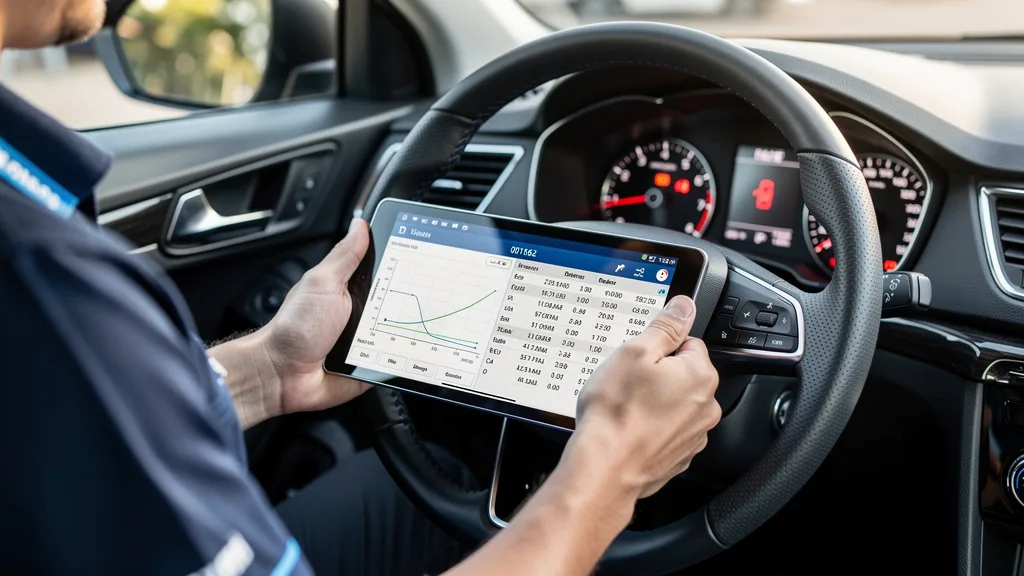
These DIY steps are for observation only and are not a substitute for a professional diagnosis. They are designed to give you a better understanding of your vehicle's health and help you know when it's time to book a service. For more tips on vehicle health, see our guide on how often you should service your car in Darwin's climate.
Visually Inspecting Brake Pads and Rotors
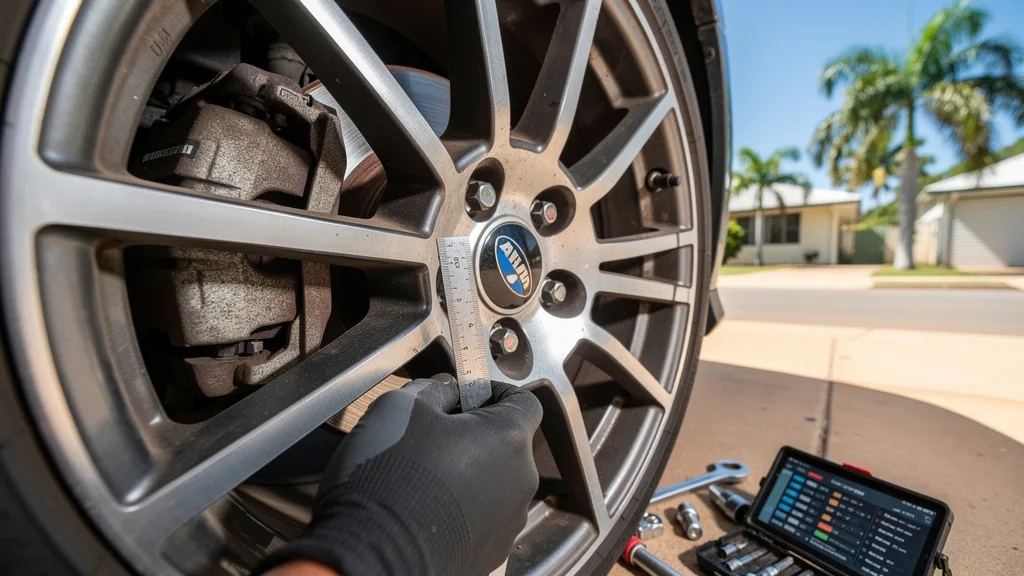
You can often see a portion of your brake pads and rotors through the spokes of your wheels. Look for the brake pad friction material that presses against the metal rotor. As a general rule, you should see at least 4-5 millimetres of pad material. If it looks much thinner, it's time for a replacement.
Next, examine the surface of the brake rotor. It should be relatively smooth and shiny. Deep grooves, scoring, or a visible 'lip' on the outer edge are signs of wear. Significant rust or discoloration can also indicate a problem, such as a sticking caliper. Any visible damage warrants a professional opinion.
"A quick visual check of your brake pads each month can save you from a much larger repair bill. Catching thin pads before they damage the rotors is the most cost-effective way to maintain your braking system." - Head Technician, MechanicDarwin
Checking Your Brake Fluid Level and Condition
Under your car's bonnet, you'll find a small, semi-transparent reservoir for brake fluid, usually located on the driver's side against the firewall. The reservoir will have 'MIN' and 'MAX' lines. The fluid level should be between these two marks. If the level is at or below the 'MIN' line, it could indicate a leak in the system or severely worn brake pads.
The fluid itself should be a clear, honey-like colour. If it appears dark, murky, or black, it has absorbed moisture and contaminants and needs to be flushed and replaced. Old brake fluid can boil under heavy braking, leading to a loss of hydraulic pressure and brake failure.
Performing a Stationary Brake Test
You can test the basic function of your brake system while the car is parked. With the engine off, press the brake pedal several times. It should feel firm. Then, apply firm pressure to the pedal and hold it for 30 seconds. The pedal should not sink to the floor; if it does, you may have a leak or a problem with the master cylinder.
Next, start the engine while still applying pressure to the brake pedal. The pedal should drop slightly and then hold firm. This indicates that the brake booster, which provides power assistance, is working correctly. A pedal that feels excessively hard to press with the engine running suggests a booster issue.
Understanding Common Brake System Failures
The braking system is a complex network of mechanical and hydraulic components. While regular wear and tear is the most common cause of issues, specific parts can fail and produce distinct symptoms. Understanding these failures helps you appreciate the importance of using quality parts and professional service.
From the pads and rotors doing the physical work to the master cylinder creating pressure, each part has a vital role. When one component fails, it can affect the entire system's performance and safety. Here's a look at some of the most frequent points of failure.
Worn Brake Pads, Rotors, or Calipers
Brake pads and rotors are designed to wear down over time and are the most frequently replaced brake components. Calipers, however, should last much longer but can seize or stick due to corrosion or debris, especially in humid climates. A sticking caliper can cause a brake to drag, leading to overheating, premature pad wear, and the vehicle pulling to one side.
Here is a table outlining the common symptoms associated with these crucial components:
| Component | Primary Symptom | Secondary Symptoms |
|---|---|---|
| Worn Brake Pads | High-pitched squealing noise | Reduced stopping power, brake warning light |
| Warped Brake Rotors | Vibration or pulsation in pedal/steering wheel | Visible grooves or scoring on the rotor surface |
| Sticking Brake Caliper | Vehicle pulls to one side when braking or driving | Burning smell after driving, one wheel is hotter than others |
Symptoms of a Bad Brake Booster or Master Cylinder
The master cylinder and brake booster work together to make braking easy and effective. The master cylinder converts the force from your foot into hydraulic pressure, while the booster uses engine vacuum to multiply that force. If the master cylinder fails, the pedal will often feel spongy and may sink slowly to the floor while you're holding it down.
A failing brake booster, on the other hand, will result in a brake pedal that is very hard to press. You will still be able to stop the car, but it will require significantly more leg effort, similar to how brakes feel when the engine is off. Any change in the effort required to brake should be investigated immediately.
Issues with Brake Lines and Fluid Leaks
Brake lines, which can be a combination of steel tubes and flexible rubber hoses, carry high-pressure fluid to each wheel. Over time, rubber hoses can perish and bulge, while steel lines can rust and corrode, particularly in coastal areas or after exposure to wet season conditions. A visible fluid leak is the most dangerous brake problem, as it can lead to a complete loss of braking ability.
If you see puddles of clear to brownish fluid under your car, or if your brake fluid reservoir level drops consistently, you likely have a leak. Never drive a vehicle if you suspect a brake fluid leak. It's crucial to have it towed to a professional for immediate repair. Proactively preparing your vehicle for the wet season can help mitigate corrosion issues.
When to Seek Professional Help for Brake Repairs
While a basic understanding of how to diagnose common brake issues in Darwin is valuable, all repairs and most in-depth diagnostics should be handled by a qualified, licensed mechanic. The braking system is too critical to your safety to risk a DIY repair error. Professionals have the specialised tools, equipment, and experience to do the job correctly and safely.
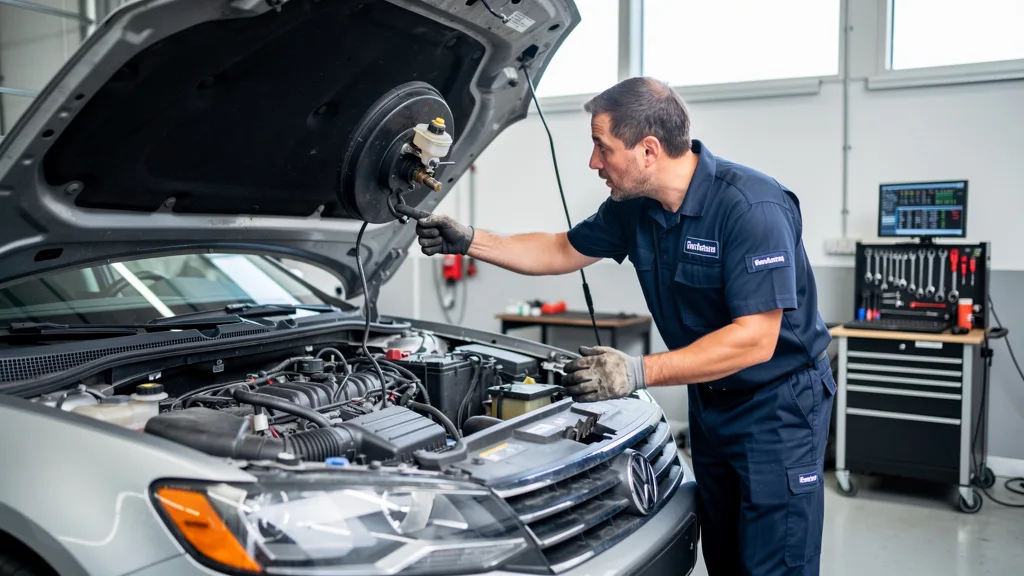
If you notice any of the warning signs discussed, from strange noises to a change in pedal feel, it is time to seek professional help. At MechanicDarwin, our certified technicians can accurately diagnose the problem and provide an upfront, fixed quote for the repair. Whether you come to our workshop or use our convenient mobile mechanic service in Darwin and Palmerston, we ensure your brakes are restored to optimal condition for your peace of mind.
Key Takeaways
Staying safe on Darwin's roads means being proactive about your vehicle's maintenance, especially its braking system. Here are the most important points to remember from this guide:
- Listen and Feel: Unusual noises like squealing or grinding, and changes in pedal feel like sponginess or vibrations, are the earliest warning signs of brake problems.
- Look for Clues: Your vehicle pulling to one side, an illuminated brake warning light, or visible wear on pads and rotors are clear indicators that an inspection is needed.
- Check Your Fluid: Regularly check your brake fluid level and condition. Low or dark fluid points to potential leaks or contamination that can compromise your entire brake system.
- Don't Delay Repairs: Brake issues do not fix themselves; they only get worse. Addressing problems early saves money and, more importantly, ensures your vehicle is safe to drive.
- Trust the Professionals: While DIY checks are helpful for monitoring, always entrust brake repairs to a certified mechanic to guarantee the work is done correctly and safely.
Frequently Asked Questions
What is the average cost of a brake job in Darwin?
The cost of a brake job in Darwin can vary widely depending on the vehicle model and the extent of the work required. A simple front brake pad replacement might cost between $250 and $450. A more comprehensive job that includes new pads and rotors on both the front and rear axles could range from $700 to over $1,500 for some 4WDs or European models.
At MechanicDarwin, we provide a fixed, upfront quote before any work begins, so you know the exact cost. This price includes high-quality parts and labour from our trade-qualified technicians, ensuring no surprises on your final bill.
What is the most common cause of brake failure?
The single most common cause of brake problems is the gradual wear of brake pads and rotors. These are consumable components designed to wear out with use. Neglecting to replace them in a timely manner is what often leads to more severe issues, such as damage to calipers and, in worst-case scenarios, a significant reduction in braking performance.
Another common cause is the degradation of brake fluid. Old fluid absorbs moisture, which lowers its boiling point and can lead to a spongy pedal or complete brake failure under heavy use. Regular fluid flushes as part of your general car servicing schedule are essential.
Can I drive my car if the brake warning light is on?
It is strongly advised not to drive your car if the red brake warning light is illuminated. This light indicates a potentially serious issue with the hydraulic system, such as low fluid or a pressure loss. Continuing to drive could lead to a complete and sudden loss of braking ability.
If the light comes on while you are driving, pull over to a safe location as soon as possible, check that the handbrake is fully disengaged, and call for roadside assistance or a mobile mechanic. Driving with an active brake warning light puts you and others on the road at serious risk.
How often should I have my brakes inspected professionally?
We recommend having your brakes professionally inspected at least once a year or every 15,000 kilometres, whichever comes first. A brake inspection is a standard part of most logbook and general car services. This allows a technician to measure pad and rotor thickness and check for any potential issues before they become serious.
Given Darwin's demanding climate with high heat and humidity, more frequent checks might be necessary, especially if you do a lot of stop-start city driving or tow heavy loads. If you ever have any concerns about your brakes, it's always best to book an inspection right away.
What does a clicking noise mean when I brake?
A clicking noise when you apply or release the brakes is often related to the brake pads shifting within the caliper. This can happen if the anti-rattle clips or shims are worn, loose, or were not installed correctly during a previous brake job. While not always an immediate safety threat, it indicates that a component is not secured properly.
In some cases, a clicking sound can also be caused by a loose caliper bolt or even an issue with a CV joint that becomes more noticeable during braking. It's best to have any unusual clicking noise diagnosed by a professional to pinpoint the exact cause and ensure all components are secure.
Conclusion
Understanding how to spot the early warning signs of brake trouble is a vital skill for any driver in Darwin. By being attentive to new sounds, feelings, and dashboard lights, you can address potential issues before they compromise your safety. While basic visual checks can provide peace of mind, the complexity and critical nature of the braking system mean that diagnostics and repairs are always best left to the professionals.
If you've noticed any of the symptoms discussed in this guide, don't wait for the problem to get worse. Our team of certified technicians at MechanicDarwin is ready to provide an honest and accurate diagnosis. We offer both workshop and mobile services across Darwin and Palmerston for your convenience. Book a Service online today and drive with confidence knowing your brakes are in expert hands.
Written by MechanicDarwin Technical Team
MechanicDarwin Trade-Qualified Technician
Trade-qualified technician at MechanicDarwin with extensive experience diagnosing and repairing vehicles under extreme Northern Territory conditions.