
Diagnosing Brake Noises: Squeaks, Grinds & Vibrations
Learn how to diagnose brake noises in Darwin. Our guide explains what squeaks, grinds, and vibrations mean for your car's safety and when to see a mechanic.
MechanicDarwin Technical Team
MechanicDarwin Certified Technician

Diagnosing Brake Noises: A Guide to Squeaks, Grinds, and Vibrations
Are those strange sounds from your brakes just an annoyance, or a sign of serious trouble developing in Darwin's demanding climate? Understanding what your car is telling you is the first step toward ensuring your safety on the road. From a high-pitched squeal to a gut-wrenching grind, each noise has a specific meaning.
Learning how to diagnose brake noises: squeaks, grinds and vibrations in Darwin is crucial for any driver. While some sounds like a light squeak after rain can be harmless, a metallic grinding or a pulsing sensation through the brake pedal often signals a critical safety issue. These are warnings that your vehicle's braking system requires immediate professional attention to prevent failure and ensure you can stop safely when you need to most.
Why You Should Never Ignore Strange Brake Noises
Ignoring unusual brake noises is a significant risk no driver should take. Your vehicle's braking system is its most important safety feature, and strange sounds are often the earliest indicator that a component is failing. What starts as a minor squeak can quickly escalate into a complete loss of braking power if the underlying issue isn't addressed by a qualified technician.
In a place like Darwin, with sudden downpours during the wet season and high ambient temperatures, your brakes are already under considerable stress. Issues like worn brake pads or failing calipers can worsen rapidly in these conditions. Proactively addressing a brake noise not only protects you and your passengers but also prevents more extensive and costly damage to rotors, calipers, and other related components down the line.
Common Causes of Squeaking or Squealing Brakes
A high-pitched squeak or squeal is one of the most common brake complaints. While alarming, it doesn't always signal a catastrophe. There are several potential causes, ranging from completely normal environmental factors to the first sign that your brake pads are nearing the end of their service life. Identifying the context of the noise, such as when it happens and under what conditions, can help narrow down the possibilities.
Understanding these causes helps you differentiate between a minor annoyance and a call to action. For instance, a noise that only occurs first thing in the morning and disappears after a few stops is very different from a persistent squeal that gets louder over time. Let's explore the most frequent culprits behind that irritating sound.
Surface Rust and Moisture After Rain
If you notice a light squeaking or scraping sound for the first few minutes of driving after your car has been parked overnight in damp conditions or after rain, it's likely due to moisture. A thin layer of surface rust can form on the iron brake rotors. This is a normal chemical reaction and is not a cause for concern.
As you begin to drive and apply the brakes, the brake pads scrub this light film of rust off the rotor surface, and the noise should disappear within a few braking applications. This is especially common in Darwin's humid climate. If the noise persists throughout your journey, however, it points to another issue that needs investigation. Properly preparing your vehicle for the wet season can help you understand what to expect from your car in these conditions.
Built-In Brake Pad Wear Indicators
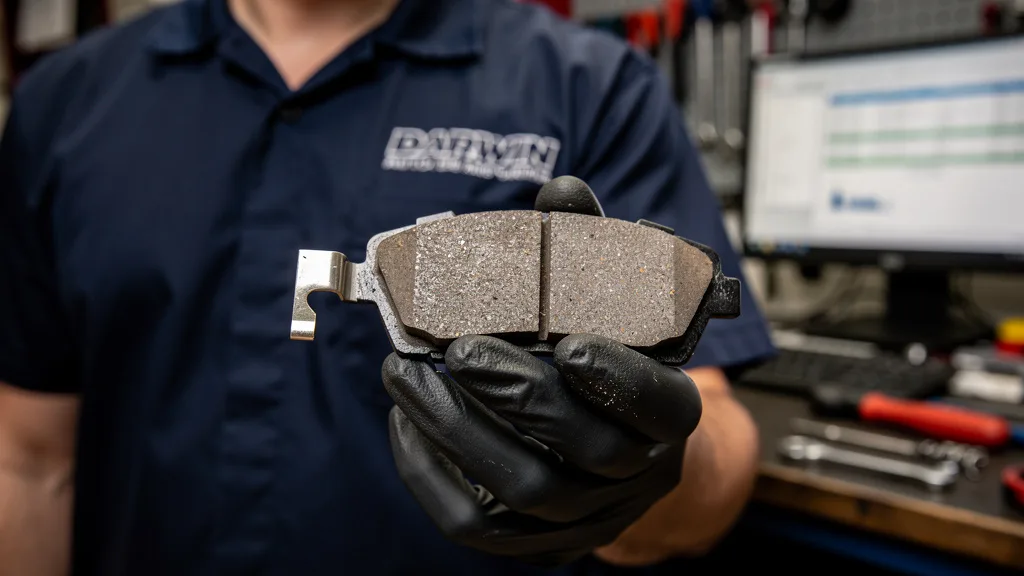
Most modern brake pads are designed with a built-in safety feature called a wear indicator. This is a small metal tab attached to the brake pad backing plate. As the friction material on the pad wears down over thousands of kilometres, this tab gets closer to the brake rotor. When the pad reaches its minimum safe thickness, the tab makes contact with the spinning rotor, creating a distinct, high-pitched squeal.
This sound is a deliberate warning system designed to alert you that it's time to replace your brake pads. If you hear a consistent squeal every time you apply the brakes, it's a clear signal to have your brakes checked by a professional. Ignoring this warning will lead to more severe and dangerous grinding noises as the metal backing plate of the pad begins to contact the rotor.
Glazed Pads or Hardened Rotors
Sometimes, brake pads can develop a hard, crystalline surface, a condition known as glazing. This can happen due to overheating from heavy or aggressive braking, such as towing a heavy load or repeated hard stops. When pads are glazed, they can't create the proper friction against the rotor, leading to a squeaking noise and reduced stopping performance.
Similarly, brake rotors can become hardened or develop uneven surfaces over time. This prevents the pad from making smooth, consistent contact, resulting in vibrations and noise. In these cases, the pads and rotors may still have plenty of material left but are no longer functioning effectively and will need to be machined or replaced.
Understanding Grinding Sounds When You Brake
A grinding sound is the most serious of all brake noises and requires your immediate attention. Unlike a squeak, which can sometimes be benign, a grinding noise almost always indicates a severe mechanical problem that has compromised your vehicle's ability to stop safely. This sound is often described as a harsh, metallic scraping that you may even feel through the brake pedal.
"A grinding noise is your car's final, urgent warning before a potential brake failure. It signifies that critical components are being destroyed and should never be ignored. Pull over safely and call for a mobile mechanic or a tow as soon as you hear it."
This noise is a clear distress signal that metal is scraping against metal within your braking system. Continuing to drive a vehicle with grinding brakes is not only dangerous but also guarantees that the final repair bill will be significantly higher, as you will be damaging multiple components beyond just the brake pads.
Severely Worn Brake Pads and Rotors
The most common cause of a grinding sound is brake pads that have been worn down completely. Once the friction material is gone, the steel backing plate of the pad is forced directly against the metal brake rotor. This metal-on-metal contact creates a loud grinding sound and dramatically reduces your stopping power.
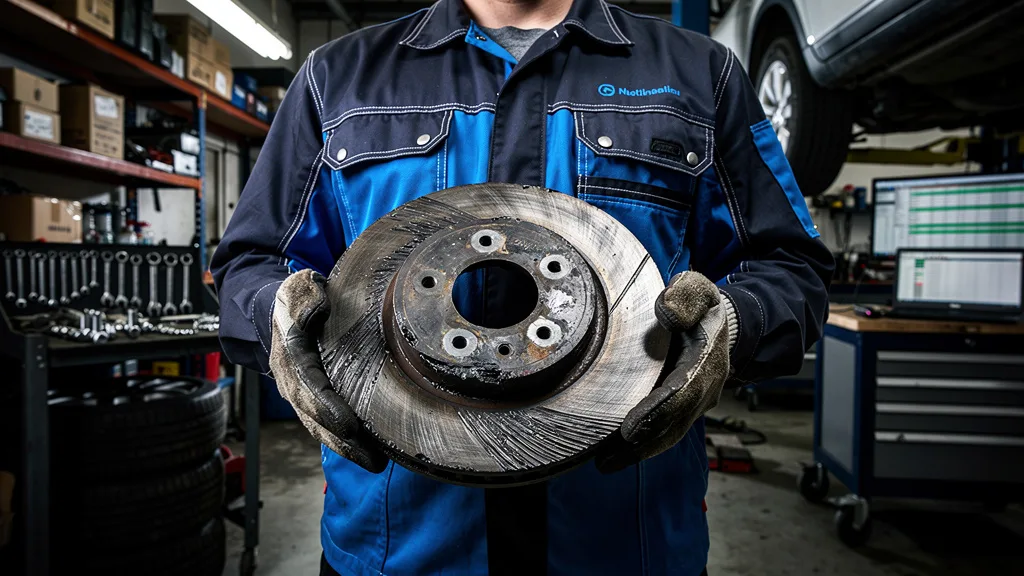
At this stage, you are no longer just wearing out your pads; you are actively destroying your brake rotors. The backing plate will cut deep grooves into the rotor surface, making them unsalvageable. This means a simple brake pad replacement has now turned into a much more expensive job requiring new pads and new rotors.
Debris Trapped Within the Caliper
Another, less common cause of a grinding sound is a small rock, stone, or other piece of road debris becoming lodged between the brake caliper and the rotor. This can happen at any time, even with new brakes, and often produces a very loud and consistent scraping or grinding noise that may be present even when you are not braking.
While the fix can sometimes be as simple as dislodging the debris, this often requires removing the wheel and inspecting the brake assembly. If the object is not removed, it can cause significant damage to the surface of the brake rotor, creating grooves that will necessitate a full replacement.
Diagnosing a Judder, Pulse, or Car Shaking
If you feel a pulsing, shuddering, or vibration through the brake pedal or steering wheel when you slow down, you're experiencing a brake judder. This car shaking sensation indicates that the braking surfaces are no longer perfectly flat and smooth, causing the brake pads to grab and release unevenly as the rotor turns.
This is not just a comfort issue; a significant judder can affect braking stability and increase your stopping distance, particularly in an emergency. It's a clear sign that components in your braking or suspension system are out of specification and require a professional diagnosis to pinpoint the exact cause.
Warped or Uneven Brake Rotors
The primary cause of brake judder is warped brake rotors, also known as excessive lateral runout. When rotors overheat from prolonged or hard braking, they can distort and become uneven. Even a variation of a few thousandths of an inch is enough to cause a noticeable pulse through the pedal as the high spots on the rotor push back against the brake pads with each revolution.
In some cases, rotors can be machined back to a flat surface, but if the warping is too severe or the rotor is already below its minimum thickness specification, they must be replaced. This is a common issue that requires precise measurement to diagnose correctly.
Wheel Alignment or Suspension Problems
While less common, a vibration felt during braking can sometimes be caused by issues outside the brake system itself. Worn suspension components like ball joints or control arm bushings can allow for excessive movement, which may be felt as a shudder or wobble only when the brakes are applied and the suspension is loaded.
Similarly, severe wheel alignment issues can contribute to instability under braking. A comprehensive diagnosis from a qualified mechanic will include checking these related systems to ensure the true cause of the vibration is found. This is why a simple brake check might not be enough, and a look at our full range of auto repair and mechanic services may be necessary.
When Is a Brake Noise an Urgent Problem?
Knowing when a brake noise is a minor issue versus an emergency is key to your safety. Some sounds can be monitored, while others demand you stop driving immediately. As a rule, any sudden change in braking performance, new grinding sounds, or a spongy pedal are signs of an urgent problem.
The table below provides a quick reference guide to help you assess the severity of common brake noises. If you experience any of the 'High' urgency symptoms, your vehicle may be unsafe to drive. It is best to call a mobile mechanic in Darwin to come to you or arrange for a tow to our workshop.
| Noise Type | Common Cause | Urgency Level & Action |
|---|---|---|
| Light Squeak (goes away quickly) | Surface rust from moisture | Low: Monitor. If it persists, get it checked at your next service. |
| Consistent High-Pitched Squeal | Brake pad wear indicators | Medium: Book a brake inspection soon. Pads are low. |
| Pulsing or Juddering | Warped brake rotors | Medium: Schedule a service. Affects stopping performance. |
| Loud Metallic Grinding | Pads worn to metal backing | High: Stop driving immediately. Major safety risk. |
| Clicking or Clunking | Loose caliper or worn hardware | High: Get inspected immediately. A component may be loose. |
Will Noisy Brakes Fail a Roadworthy Inspection?
Yes, certain noisy brakes can absolutely fail a roadworthy inspection in the Northern Territory. Inspectors are required to check that the braking system is operating effectively and that all components are in a safe, serviceable condition. While a very light squeak from surface rust might be overlooked, more serious noises will not be. general car servicing.
A grinding sound, for example, is an automatic failure as it indicates the brake pads are worn beyond their service limit and the rotors are likely damaged. Similarly, a significant brake judder points to warped rotors, which compromise braking efficiency. According to NT vehicle inspection guidelines, any condition that impairs the vehicle's ability to stop safely will result in a failed certificate. Getting your brakes checked before an inspection is always a wise decision.
How a Professional Mechanic Will Diagnose Brake Noise
When you bring your car to a professional mechanic for a brake noise issue, the diagnostic process is methodical and thorough. It begins with a conversation with you to understand the symptoms: what the noise sounds like, when it occurs, and any other sensations you've noticed. This initial information is vital for the technician.
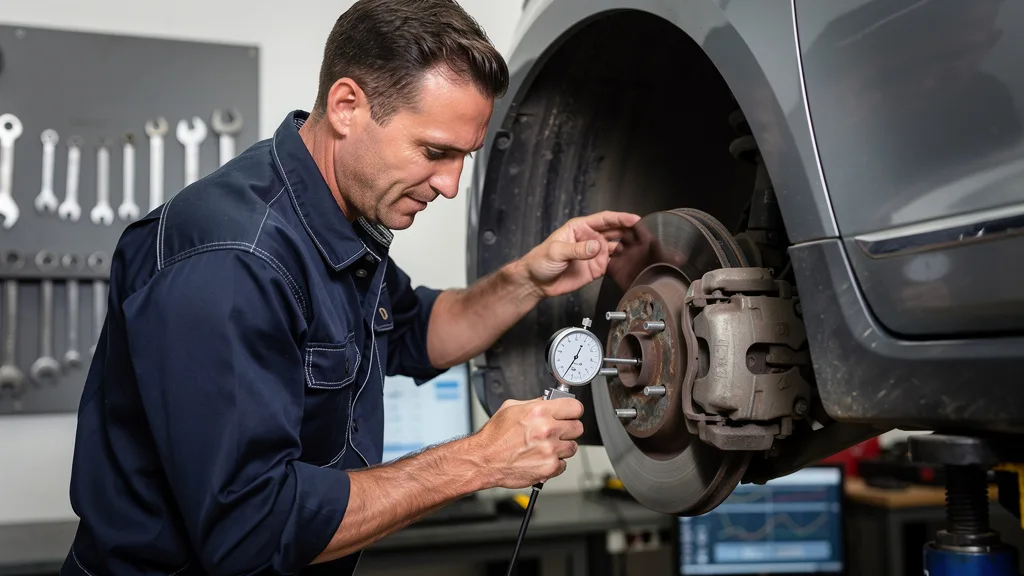
Next, a road test is usually performed to replicate the sound and assess the overall braking performance. Following the test drive, the vehicle is put on a hoist for a comprehensive visual inspection. The mechanic will remove the wheels to closely examine the brake pads, rotors, calipers, and brake lines for wear, damage, or leaks. Specialised tools may be used to measure the thickness of the pads and the runout of the rotors to confirm a diagnosis of wear or warping. This complete process ensures the true cause of the problem is found and fixed correctly the first time.
Key Takeaways
Navigating the various sounds your brakes can make doesn't have to be a mystery. By understanding the difference between a minor squeak and a serious grind, you can make informed decisions about your vehicle's safety. Remember that your braking system is your car's most critical safety feature, and its warnings should always be taken seriously.
- Squeaks vs. Grinds: A high-pitched squeal is often a warning from your brake pad wear indicators, while a deep, metallic grinding sound means severe, metal-on-metal damage is occurring and you should stop driving immediately.
- Vibrations Matter: A judder or pulsation felt through the brake pedal or steering wheel typically points to warped brake rotors, which can compromise your stopping distance and vehicle stability.
- Environment Plays a Role: In Darwin's humid climate, a light squeak from surface rust after rain is normal and usually disappears quickly. Persistent noises, however, always warrant a professional check.
- Don't Delay: Addressing brake noises promptly not only ensures your safety but also prevents small issues from escalating into much more expensive repairs involving multiple components. A professional diagnosis is the fastest way to peace of mind.
Frequently Asked Questions
Why do my brakes make noise when it's raining?
Brakes often make a squeaking or light grinding noise in the rain or after being parked in damp weather due to a thin layer of rust forming on the cast iron brake rotors. This is a normal and harmless reaction. The noise is created as the brake pads scrub this rust layer off during the first few stops.
How long can I drive with a scraping brake sound?
If the sound disappears after a few minutes of driving, there is no need for concern. However, if the noise continues long after the brakes should have dried, it indicates another underlying issue, such as worn pads or glazed rotors, that should be inspected by a mechanic.
Why does my car make a grinding noise that stops when I brake?
You should not drive at all with a scraping or grinding brake sound. This noise indicates that your brake pads have completely worn out, and the metal backing plate is now grinding against the metal brake rotor. This severely reduces your car's stopping ability and creates a major safety hazard.
What is the difference between brake squeaking and squealing?
Continuing to drive will cause catastrophic damage to the brake rotors and potentially the calipers, turning a routine brake job into a very expensive repair. If you hear a grinding sound, pull over safely and call for roadside assistance or a mobile mechanic.
Is it normal for new brakes to make some noise?
A grinding or scraping noise that is present while you are driving but stops or changes when you apply the brakes is often caused by an object stuck in the brake assembly. It could be a small stone lodged between the rotor and the dust shield, or debris caught in the caliper.
When you press the brake pedal, the pressure from the caliper can temporarily shift the object or press it firmly against the rotor, which changes or silences the sound. This issue requires an inspection to remove the foreign object before it causes deep grooves or damage to the brake rotor.
While often used interchangeably, there can be a subtle difference. A squeak is typically a shorter, intermittent sound, often caused by minor vibrations, surface rust, or cold brake pads. A squeal is usually a longer, continuous, high-pitched sound that is more consistent when the brakes are applied.
A persistent squeal is the classic sign of the brake pad wear indicators telling you it's time for a replacement. A squeak might be less urgent, but any noise that is consistent or getting worse should be professionally diagnosed to be safe.
Yes, it is normal for new brake pads and rotors to make some light noise for a short period. This is part of the 'bedding-in' process, where the new pad material deposits a thin, even layer of friction material onto the face of the rotor. This process ensures smooth, quiet, and effective braking for the life of the pads.
This break-in noise should be minor and disappear after a few days of normal driving. If you experience loud grinding, squealing, or vibrations after a brake replacement, it indicates a potential problem with the installation or a faulty part, and you should return to the workshop that performed the service immediately.
Conclusion
Effectively understanding how to diagnose brake noises: squeaks, grinds and vibrations in Darwin empowers you to protect your vehicle and, more importantly, your safety. While some noises are harmless, others are critical warnings of impending failure. Never ignore a grinding sound or a sudden change in how your brake pedal feels. A timely inspection from a qualified professional is the best way to prevent a dangerous situation and avoid more costly repairs.
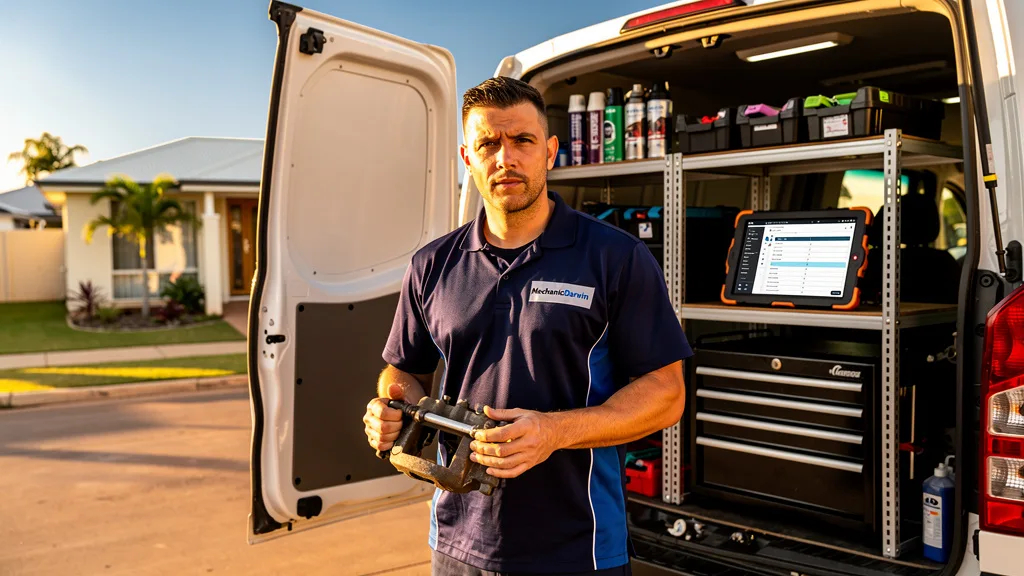
Don't let a strange brake noise leave you guessing. Our certified technicians have the experience and equipment to accurately diagnose the issue and provide an upfront, honest quote for any necessary repairs. Whether you need us to come to you in Palmerston or you'd prefer to visit our Darwin workshop, we make it easy to get the peace of mind you deserve. Book a Service today and drive with confidence.
Written by MechanicDarwin Technical Team
MechanicDarwin Trade-Qualified Technician
Trade-qualified technician at MechanicDarwin with extensive experience diagnosing and repairing vehicles under extreme Northern Territory conditions.