
Common Diesel Engine Problems in Darwin's Heat and Dust
Discover the 7 most common diesel engine problems in Darwin for 2026. Learn how heat and dust cause overheating, power loss, and more. Get expert tips.
MechanicDarwin Technical Team
MechanicDarwin Certified Technician

Is your diesel engine truly prepared for the punishing conditions of Darwin? The combination of relentless heat, high humidity, and pervasive red dust creates a uniquely challenging environment that can quickly expose any weakness in your vehicle's most critical component. Understanding these local challenges is the first step to preventing costly breakdowns and ensuring your diesel remains reliable when you need it most.
The most common diesel engine problems in Darwin's heat and dust include engine overheating due to cooling system strain, clogged air and fuel filters from fine dust, fuel degradation from high temperatures, and a noticeable loss of power. These issues are directly exacerbated by the Top End's climate, requiring more frequent and specific maintenance than in other parts of Australia to prevent premature wear and failure.
How Darwin's Climate Affects Your Diesel Engine
Your diesel engine is a powerhouse built for hard work, but the unique climate of Darwin and Palmerston puts it under constant stress. The two primary adversaries are extreme ambient heat and fine, abrasive dust. The persistent high temperatures force your cooling system to work overtime, increasing the risk of overheating. This heat also accelerates the breakdown of engine oil, reducing its ability to lubricate and protect internal components effectively.
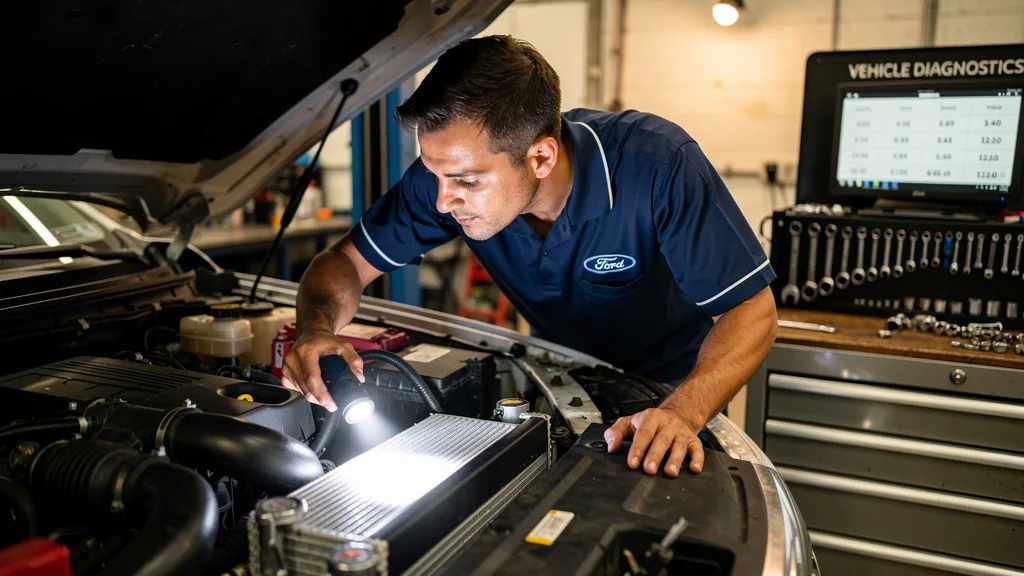
Simultaneously, the fine red dust, a signature of the Top End, is a major threat. It is easily drawn into the engine's air intake, where it can quickly clog air filters, starving the engine of the oxygen it needs for efficient combustion. This leads to reduced power and poor fuel economy. If this dust bypasses a compromised or overdue filter, it can enter the engine itself, acting like an abrasive liquid sandpaper that causes accelerated wear on cylinder walls, pistons, and rings.
This combination of heat and dust means that standard service schedules are often inadequate for vehicles in the NT. Proactive and preventative maintenance is not just a recommendation; it's essential for the longevity and reliability of your diesel engine. Understanding how often you should service your car in Darwin's climate is crucial for avoiding unexpected and expensive repairs down the track.
7 Common Diesel Engine Problems in Darwin for 2026
Based on our experience as trade-qualified mechanics in Darwin, we see a consistent pattern of failures directly linked to our local environment. Being aware of these common issues can help you spot the warning signs early and take action before a minor problem becomes a major engine repair. Here are the seven most frequent diesel engine problems we diagnose and fix for Darwin drivers in 2026.
Engine overheating is one of the most frequent and potentially damaging issues for diesel vehicles in the Top End. Your engine's cooling system is in a constant battle against high ambient temperatures. The radiator fins can become clogged with dust, mud, and insects, severely reducing their ability to dissipate heat. This, combined with aging coolant or a struggling water pump, can quickly lead to your temperature gauge creeping into the red zone.
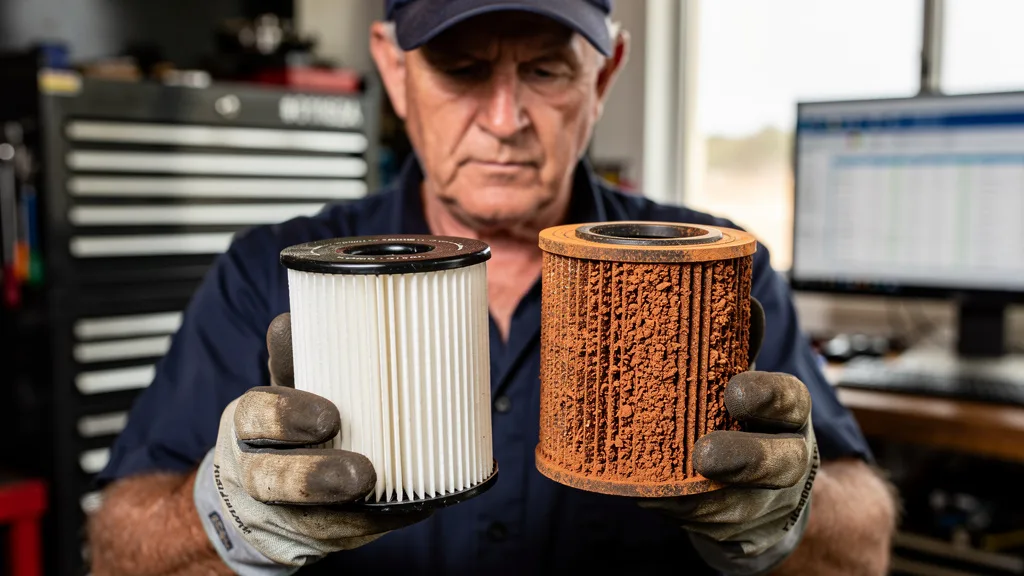
Ignoring an overheating engine can have catastrophic consequences, including warped cylinder heads, blown head gaskets, and even complete engine seizure. These are among the most expensive repairs a vehicle owner can face. Regular checks of your coolant level and condition, along with keeping the radiator clean, are simple but vital steps to prevent this common failure.
Clogged Air and Fuel Filters from Dust
Darwin's fine red dust is the number one enemy of your engine's filtration system. The air filter's job is to stop this dust from entering the engine, but it can become saturated in a surprisingly short amount of time, especially if you frequently travel on unsealed roads. A clogged air filter restricts airflow, forcing the engine to work harder and burn more fuel, resulting in a noticeable loss of power and black smoke from the exhaust.
The fuel filter is also at risk. Dust and other contaminants can find their way into fuel storage tanks and, subsequently, into your vehicle. A clogged fuel filter will starve the engine of fuel, leading to sputtering, difficulty starting, and poor performance. For diesel engines, clean fuel is paramount, as the high-pressure injection systems are highly sensitive to any form of contamination.
Fuel Degradation and Contamination
High ambient temperatures don't just affect your cooling system; they can also degrade your diesel fuel. Heat accelerates the growth of microorganisms, often referred to as 'diesel bug' or algae, which thrive at the interface between fuel and any water present in the tank. This creates a sludge-like substance that can clog your entire fuel system, from the filter to the injectors.
Water contamination is another significant issue, exacerbated by the high humidity of the wet season. Water can cause rust in the fuel tank and lines and severely damage high-pressure injectors, which rely on the diesel fuel itself for lubrication. Using fuel from high-turnover service stations and considering a fuel-water separator can provide an extra layer of protection against this climate-induced problem.
Noticeable Loss of Power
A sudden or gradual loss of power is a classic symptom that something is wrong with your diesel engine. While it can have many causes, in Darwin's climate, it often points directly back to the issues we've already discussed. A clogged air filter starving the engine of air, a blocked fuel filter restricting fuel flow, or an engine that is beginning to overheat and entering a 'limp mode' to protect itself are all common culprits.
This symptom should never be ignored. It's your engine's primary way of telling you it's struggling. Continuing to drive with a significant power loss can turn a simple fix, like changing a filter, into a much more complex and expensive engine repair. If your vehicle feels sluggish or unresponsive, especially when accelerating or towing, it's time to have it professionally diagnosed.
Hard Starting or Failure to Start
While cold starting issues are common in cooler climates, Darwin's heat presents its own set of starting problems. Extreme heat is brutal on batteries, shortening their lifespan and reducing their cranking power. A weak battery may not have enough energy to turn over a high-compression diesel engine, especially when it's hot.
Beyond the battery, hard starting can also be linked to fuel system problems. A blocked fuel filter or a failing fuel pump may not be able to supply enough fuel for the engine to fire up. In modern diesels, issues with glow plugs or the engine control unit (ECU) can also manifest as a starting fault. If your engine is taking longer than usual to start or fails to start at all, it's a clear signal that an underlying component is failing.
Excessive or Unusually Colored Exhaust Smoke
The color of your exhaust smoke is a direct window into the health of your diesel engine. While a small puff of black smoke on hard acceleration can be normal for some older diesels, continuous or excessive smoke is a red flag. Each color points to a different potential problem that requires attention.
Here's a quick guide to what the smoke might be telling you:
- Black Smoke: Indicates an air-to-fuel ratio problem, usually too much fuel or not enough air. The most common cause in Darwin is a clogged air filter. It can also point to faulty injectors or a turbocharger issue.
- Blue Smoke: This is a sign that the engine is burning oil. It could be due to worn piston rings, valve seals, or an overfilled crankcase. This is a serious issue that requires immediate mechanical inspection.
- White Smoke: If it's thick and smells sweet, white smoke often indicates that coolant is leaking into the combustion chambers, a classic sign of a blown head gasket or cracked cylinder head. Unburnt diesel from a faulty injector can also produce white smoke.
Accelerated Oil Breakdown
Engine oil is the lifeblood of your diesel, and Darwin's heat is its enemy. High operating temperatures, made worse by high ambient heat, cause the oil's viscosity to break down more quickly. This process, known as thermal breakdown, reduces the oil's ability to lubricate, cool, and clean the engine's internal components. When the oil's protective film thins, metal-on-metal contact increases, leading to rapid wear.
Furthermore, dust that gets past the air filter can contaminate the oil, turning it into a gritty, abrasive slurry that damages bearings and cylinder walls. This is why sticking to, or even shortening, the recommended oil change interval is critical. When you're miles from the nearest town, reliability is not a luxury, and clean, high-quality oil is your first line of defense against engine failure.
Proactive Maintenance for a Hot and Dusty Climate
The key to diesel engine longevity in Darwin isn't complex; it's about being proactive and consistent with maintenance tailored to the environment. Instead of waiting for a problem to occur, adopting a preventative mindset will save you money, time, and the stress of a breakdown. A robust general car servicing schedule is your best defense.

The following table outlines the common problems and the specific proactive maintenance tasks that directly counter them. Following this guide will significantly reduce your risk of falling victim to Darwin's harsh conditions.
| Common Problem | Proactive Maintenance Solution | Recommended Frequency |
|---|---|---|
| Engine Overheating | Inspect coolant levels and condition; clean radiator fins of dust and debris. | Check coolant weekly; clean radiator every 3-6 months. |
| Clogged Filters | Replace engine air filter, fuel filter, and cabin air filter. | Inspect air filter every 5,000 km; replace filters per service (or sooner). |
| Fuel Degradation | Use fuel from high-turnover suppliers; consider a biocide additive during the wet season. | Ongoing. |
| Accelerated Oil Breakdown | Perform oil and filter changes with high-quality, climate-appropriate diesel oil. | Every 7,500 km or 6 months. |
Prioritize Cooling System Checks
Your cooling system should be at the top of your maintenance checklist. This goes beyond just glancing at the coolant reservoir. Regularly inspect hoses for cracks, bulges, or softness, as high heat can cause rubber to perish prematurely. Ensure the radiator cap is sealing correctly, as a faulty cap can lower the boiling point of your coolant.
During a professional service, a technician can perform a pressure test to check for hidden leaks in the system. They will also check the function of the thermostat and the condition of the water pump. A healthy cooling system is the single most important factor in preventing catastrophic engine overheating in Darwin's climate.
Implement a Frequent Filter Replacement Schedule
Do not rely on the manufacturer's 'standard' service interval for your filters. In the Top End, filters work much harder. We recommend inspecting your air filter every few months, and even more frequently if you've been on dusty tracks. It's an easy check to perform yourself, and a clean filter is cheap insurance against engine wear.
When it comes to fuel filters, stick to a strict replacement schedule as advised by your mechanic. The cost of a new fuel filter is negligible compared to the cost of repairing or replacing damaged injectors. For vehicles operating in extremely dusty environments, fitting a pre-filter or snorkel can also significantly extend the life of your main air filter.
Use High-Quality, Climate-Appropriate Fluids
Not all oils and coolants are created equal. Using the correct grade of oil specified for your diesel engine is crucial. High-quality synthetic or semi-synthetic oils offer better resistance to thermal breakdown in high-heat conditions. They maintain their viscosity for longer, providing superior protection for your engine's internal components.
The same applies to your coolant. Ensure you are using a quality coolant concentrate mixed to the correct ratio with demineralised water. This not only protects against overheating but also contains corrosion inhibitors that protect the radiator, water pump, and other metal components within the cooling system from rust and degradation.
Keep the Engine Bay and Radiator Clean
A clean engine runs cooler. A layer of caked-on dust and mud can act as an insulator, trapping heat around the engine block and ancillaries. Periodically and carefully cleaning your engine bay can make a noticeable difference to operating temperatures. Pay special attention to the radiator and air conditioning condenser at the front of the vehicle.
Use a low-pressure hose to gently wash dust and insects out from the radiator fins, being careful not to bend them. Always spray from the back of the radiator towards the front if possible to push debris out the way it came in. A clean radiator allows air to flow freely, maximizing its ability to cool the engine coolant passing through it.
The Importance of Professional Diesel Diagnostics
While preventative maintenance can stop most problems, when a warning light does appear or you notice a performance issue, guesswork is not the answer. Modern diesel engines are incredibly complex systems managed by sophisticated computers (ECUs). A single symptom, like power loss, could be caused by dozens of different underlying faults.
"In 2026, you can't just guess what's wrong with a modern diesel. The most common diesel engine problems in Darwin's heat and dust often hide behind misleading symptoms. Our diagnostic tools let us talk directly to the vehicle's computer, read the specific fault codes, and see live data. It turns a guessing game into a precise, efficient repair, saving the customer time and money." - Head Mechanic, MechanicDarwin
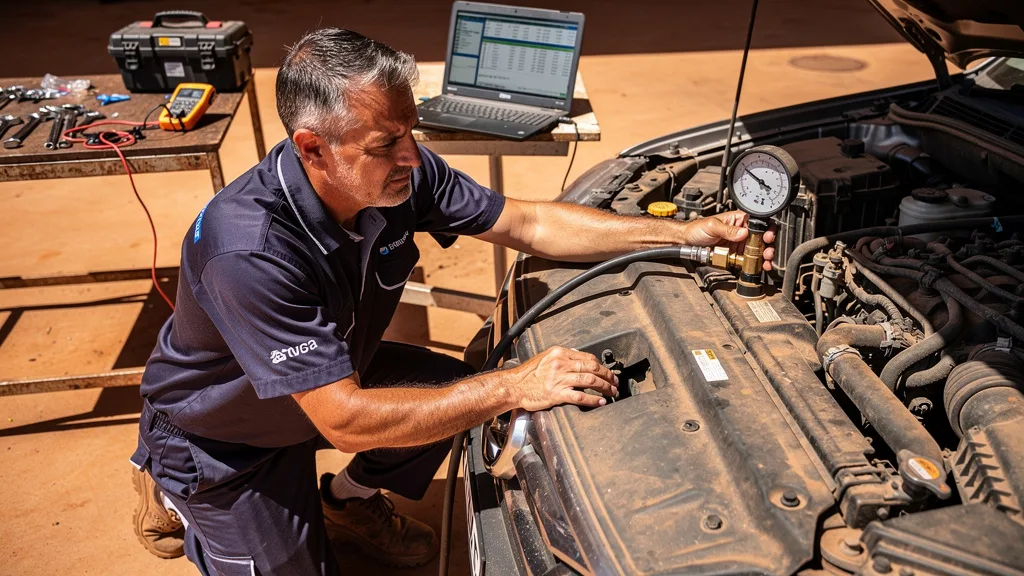
Using advanced diagnostic scan tools, a qualified technician can pinpoint the exact cause of the problem. This technology allows us to read fault codes, view live data from sensors, and test the function of individual components like injectors and turbo actuators. This eliminates the costly and time-consuming process of replacing parts one by one until the problem is found. Whether you need a workshop repair or a mobile mechanic in Darwin, ensure they have the right diagnostic equipment for your vehicle.
Key Takeaways
Navigating the challenges of diesel ownership in Darwin is achievable with the right knowledge and approach. To keep your engine running strong in 2026 and beyond, remember these crucial points:
- Darwin's Climate is the Main Culprit: The combination of extreme heat and pervasive dust is the primary driver of the most common diesel engine problems.
- Overheating and Clogged Filters are Top Threats: These two issues are responsible for the majority of climate-related diesel failures in the Top End.
- Proactive Maintenance is Non-Negotiable: You must adopt a service schedule that is more frequent than the manufacturer's standard recommendation, focusing on fluids and filters.
- Colored Smoke is a Clear Warning: Pay attention to your exhaust. Black, blue, or white smoke are direct signals from your engine that something is wrong.
- Professional Diagnostics Save Money: Don't guess when a problem arises. Using a qualified mechanic with modern scan tools ensures an accurate and efficient repair.
Frequently Asked Questions
What are the most urgent diesel engine warning signs?
The most urgent warning signs demand you pull over safely and shut down the engine immediately to prevent catastrophic failure. The number one sign is the engine temperature gauge entering the red zone or a high-temperature warning light illuminating. Continuing to drive an overheating engine can destroy it in minutes.
Other critical signs include the oil pressure warning light coming on, which indicates a loss of lubrication, or loud, metallic knocking or banging noises from the engine. A sudden, major loss of power accompanied by clouds of black or white smoke is also a signal to stop as soon as it is safe to do so.
Is 300,000 km a lot for a modern diesel engine?
For a well-maintained modern diesel engine, 300,000 kilometres is not necessarily the end of its life; many are designed to go much further. The key factor is not the number on the odometer but the history of its maintenance and the conditions it has operated in. An engine that has had regular oil changes with quality fluids and timely filter replacements can be in excellent health at this mileage.
Conversely, a diesel engine that has been neglected, subjected to frequent overheating, or run with contaminated fuel could be facing major internal wear at just 150,000 km. In Darwin, where conditions are harsh, a vehicle's service history is far more important than its total kilometres when assessing its health.
How often should a diesel engine be serviced in Darwin?
In Darwin's hot and dusty climate, the manufacturer's standard service interval is often not sufficient to provide adequate protection. We strongly recommend a more frequent service schedule to combat the accelerated wear and tear caused by the environment. For most diesel 4WDs and commercial vehicles, this means a full service every 6 months or 7,500-10,000 kilometres, whichever comes first.
This shorter interval ensures that engine oil is replaced before it breaks down significantly from heat and that filters are changed before they become completely clogged with dust. This proactive approach is the most cost-effective way to ensure reliability and extend the life of your engine in the Top End.
Can dust alone really damage a diesel engine?
Yes, absolutely. Dust is a silent killer for diesel engines. Its primary mode of attack is clogging the air filter, which restricts airflow and causes the engine to run rich (too much fuel, not enough air). This leads to higher combustion temperatures, carbon buildup, and poor fuel efficiency. It's a direct cause of power loss and black smoke.
The more dangerous scenario is when dust gets past a damaged, poorly fitted, or overdue air filter. These fine, abrasive particles mix with the engine oil and circulate throughout the engine, acting like a grinding paste. This will rapidly wear down critical components like piston rings, cylinder liners, and bearings, leading to a loss of compression, increased oil consumption (blue smoke), and eventual engine failure.
What is considered the 'holy grail' of diesel engines?
The term 'holy grail' in the diesel world usually refers to an engine renowned for its near-legendary reliability, simple design, and longevity. While opinions vary, a few models are consistently mentioned. The Toyota 1HD-FTE 4.2L inline-six, found in the LandCruiser 100 Series, is often cited for its robust construction and ability to handle high kilometres with proper care.
Another classic example is the Cummins 6BT 5.9L, famous for its mechanical simplicity and immense torque. What these 'holy grail' engines have in common is not necessarily cutting-edge technology, but rather over-engineered core components, a lack of overly complex emissions systems, and a proven track record of durability in the real world, making them highly sought after by enthusiasts.
Conclusion
While Darwin's heat and dust present a formidable challenge, they don't have to spell doom for your diesel engine. Understanding the specific risks, from overheating to clogged filters, empowers you to take control. By shifting to a proactive maintenance schedule with more frequent fluid and filter changes, and seeking professional diagnostics when issues arise, you can ensure your diesel remains a reliable workhorse for years to come. Don't let the climate dictate the health of your vehicle.
If you're concerned about your diesel's performance or want to establish a preventative maintenance plan tailored to Darwin's conditions, our team of certified mechanics is here to help. We provide honest advice and expert service to give you peace of mind on the road. Book a Service online today and let us keep your engine in peak condition.
Written by MechanicDarwin Technical Team
MechanicDarwin Trade-Qualified Technician
Trade-qualified technician at MechanicDarwin with extensive experience diagnosing and repairing vehicles under extreme Northern Territory conditions.