
Common Brake Repair Mistakes Darwin Drivers Make in 2026
Discover the 7 common brake repair mistakes Darwin drivers make in 2026. Learn to spot warning signs, avoid low quality parts, and ensure your car's safety.
MechanicDarwin Technical Team
MechanicDarwin Certified Technician

Are you confident your car's brakes can handle a sudden stop on a wet Darwin road? Your braking system is the most critical safety feature on your vehicle, yet many drivers unknowingly make errors that compromise its performance and reliability. These mistakes can lead to costly future repairs or, far worse, a failure when you need it most.
The most common brake repair mistakes Darwin drivers make involve ignoring early warning signs like squealing sounds, using incorrect or low-quality replacement parts, and neglecting essential tasks like flushing old brake fluid. These oversights are particularly dangerous in Darwin's unique climate, where high heat and humidity can accelerate wear and fluid contamination, significantly reducing your vehicle's stopping power and overall safety.
Why Avoiding Brake Repair Mistakes Is Critical for Darwin Drivers
In a place like Darwin, where conditions can shift from dry and dusty to a sudden downpour during the wet season, your brakes are under constant stress. The combination of high ambient temperatures and humidity puts extra strain on every component of your braking system. Heat can cause brake pads to wear faster and brake fluid to degrade, while moisture can lead to corrosion in critical parts like calipers and brake lines.
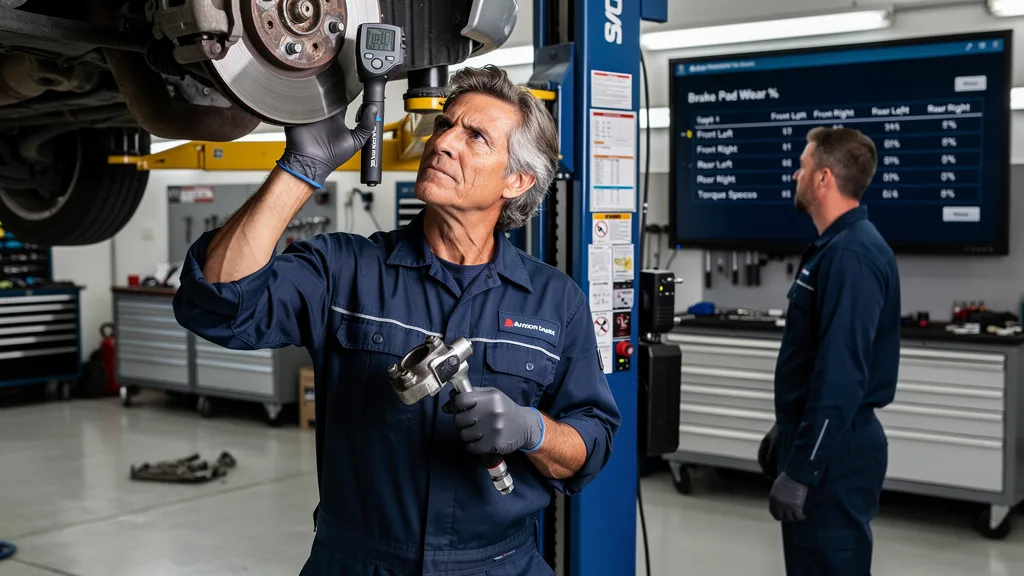
Avoiding simple mistakes isn't just about saving money on future repairs; it's about ensuring your vehicle can perform as the manufacturer intended, protecting you, your passengers, and others on the road. Timely and correct brake maintenance is a non-negotiable aspect of car ownership in the Top End. Proper care ensures your car can handle both city driving around Palmerston and more demanding trips on regional highways, giving you peace of mind no matter the weather. We see firsthand how proactive maintenance helps drivers avoid dangerous situations, which is why understanding these common errors is so important.
The 7 Most Common Brake Repair Mistakes to Avoid
Understanding what can go wrong is the first step toward getting it right. Many car owners make easily avoidable errors during the brake repair process, whether attempting a DIY job or choosing the wrong provider. These mistakes can compromise your safety and lead to more expensive problems down the line. Here are seven of the most frequent missteps we see in Darwin.
Mistake 1: Ignoring Early Warning Signs Like Squealing or Grinding
That high-pitched squeal you hear when you first press the brake pedal isn't just an annoying noise; it's a built-in warning. Most brake pads are fitted with a small metal indicator that makes contact with the rotor when the pad material is getting low. Ignoring this sound will eventually lead to a much harsher, more damaging grinding noise. This indicates the backing plate of the pad is grinding directly against the rotor, causing severe damage and drastically reducing your stopping power.
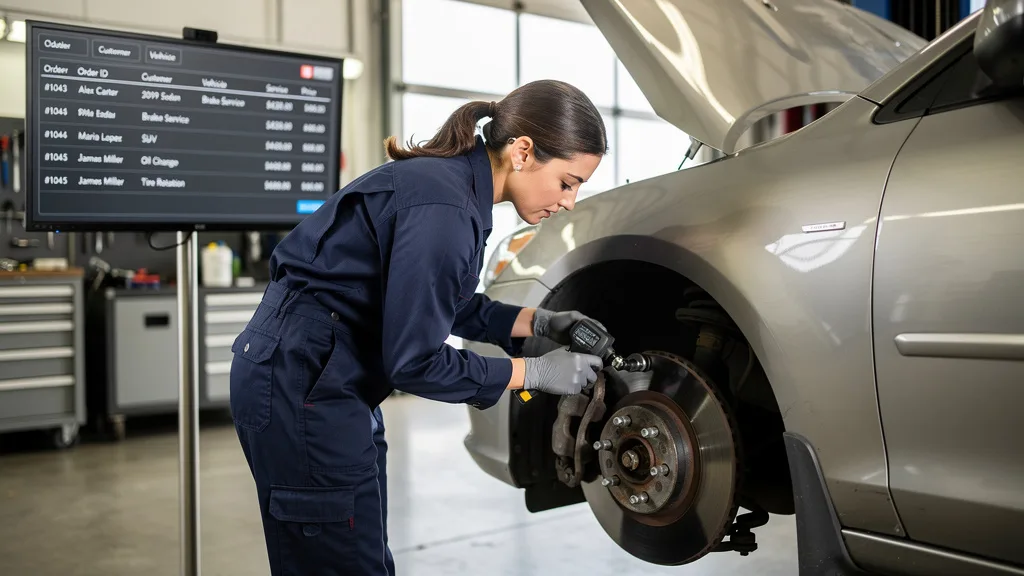
Other warning signs your brakes need replacing include a soft or spongy pedal, the car pulling to one side when braking, or vibrations felt through the steering wheel. Any change in how your brakes feel or sound warrants an immediate inspection. Addressing these issues early can be the difference between a simple pad replacement and a full, costly system overhaul. Regular checks are vital, especially when preparing your vehicle for the wet season in Darwin, as road conditions become more challenging.
Mistake 2: Using Low-Quality or Incorrect Brake Parts
When it comes to brake components, you truly get what you pay for. Opting for the cheapest available brake pads or rotors is a significant gamble with your safety. These parts are often made from inferior materials that cannot withstand the high temperatures generated during braking, especially in Darwin's hot and dusty conditions. They wear out faster, generate more dust, and are more prone to a dangerous condition called brake fade, where the brakes lose effectiveness after repeated hard use.
Furthermore, using parts that are not specifically designed for your vehicle's make and model can lead to improper fitment. This can cause uneven wear, noise, and ultimately, a compromised braking system. Always insist on high-quality, reputable brands or OEM (Original Equipment Manufacturer) parts to ensure performance, reliability, and longevity. A professional technician can recommend the right components for your car and driving habits.
Mistake 3: Neglecting to Flush and Replace Old Brake Fluid
Brake fluid is one of the most overlooked components of the braking system, yet it is absolutely vital. It is a hydraulic fluid that transfers the force from your foot on the pedal to the brakes at the wheels. Over time, brake fluid absorbs moisture from the atmosphere, which is a significant issue in Darwin's humid climate. This contamination lowers the fluid's boiling point. If the fluid boils under heavy braking, it creates air bubbles in the lines, leading to a spongy pedal and a sudden, dangerous loss of braking power.
Most vehicle manufacturers recommend a brake fluid flush every two years, regardless of the kilometers driven. This process involves completely removing the old, contaminated fluid from the system and replacing it with fresh, new fluid that meets your vehicle's specifications. This simple maintenance task is crucial for preserving the integrity of your entire braking system, preventing internal corrosion, and ensuring your brakes work effectively every time.
Mistake 4: Only Replacing Brake Pads and Not Servicing Rotors
Brake pads and rotors work together as a pair. When you apply the brakes, the pads clamp down on the spinning rotors to slow the vehicle. Over time, this friction wears down not only the pads but also the rotors. Simply slapping new pads onto old, worn rotors is a recipe for problems. A worn rotor surface can be uneven, grooved, or warped, which will prevent the new pads from making full contact.
This leads to reduced braking efficiency, annoying vibrations, and accelerated wear on your new pads. A professional brake service will always include a thorough inspection of the rotors. Depending on their condition and thickness, they may be able to be machined (resurfaced) to create a smooth, flat surface. However, if they are too thin or warped, they must be replaced to ensure the entire system functions safely and effectively.
Mistake 5: Improperly Bedding in New Brakes After Replacement
Installing new brake pads and rotors is only part of the job. The final, critical step is the bedding-in process. This procedure involves a series of controlled stops to transfer a thin, even layer of friction material from the new pads onto the surface of the rotors. This creates a perfectly mated surface, ensuring maximum stopping power, quiet operation, and a long service life for the new components.
Skipping this step or doing it incorrectly can lead to a glazed finish on the pads and rotors, which significantly reduces friction and braking performance. It can also be a primary cause of brake noise and vibration. A professional mechanic will typically perform an initial bedding-in during the post-service road test, but they should also provide you with instructions on how to drive for the first few hundred kilometers to complete the process properly.
Mistake 6: Attempting DIY Repairs Without the Right Tools or Expertise
While changing your own oil might be a manageable DIY task, brake systems are far more complex and have no margin for error. A proper brake job requires specialized tools like caliper piston retractors, torque wrenches to tighten bolts to manufacturer specifications, and diagnostic scanners for modern ABS systems. Attempting this work without the right equipment can lead to damaged components or an incorrectly assembled system.
More importantly, a lack of experience can cause you to miss other underlying issues, like a seized caliper or a leaking brake line. What might seem like a way to save money can quickly turn into a much larger, more expensive, and dangerous problem. For reliable and safe results, it's always best to trust a qualified technician. Our mobile mechanic Darwin NT service provides a convenient and professional alternative, bringing the workshop to you.
Mistake 7: Skipping a Full Professional Brake System Inspection
Focusing only on the pads and rotors is like only seeing a small part of the big picture. A complete brake system is an interconnected network of components, including the master cylinder, brake lines and hoses, calipers, and the ABS (Anti-lock Braking System) module. A worn rubber brake hose could fail under pressure, or a sticking caliper slide pin could cause one brake to drag constantly.
A professional inspection goes beyond just the friction components. A technician will check for fluid leaks, inspect hoses for cracks or bulges, ensure calipers are moving freely, and check the overall health of the hydraulic system. Knowing what are common brake maintenance mistakes can help you understand the importance of a comprehensive check. This holistic approach ensures the entire system is reliable and prevents a minor, undiscovered issue from causing a major failure.
How to Tell if Your Brake Repair Was Done Incorrectly
Even if you've had your brakes serviced by a workshop, it's crucial to know the signs of a job not done right. Your safety depends on it. After a brake repair, your vehicle's braking should feel smooth, responsive, and quiet. If you notice any of the following symptoms, you should return to the workshop or seek a second opinion immediately.
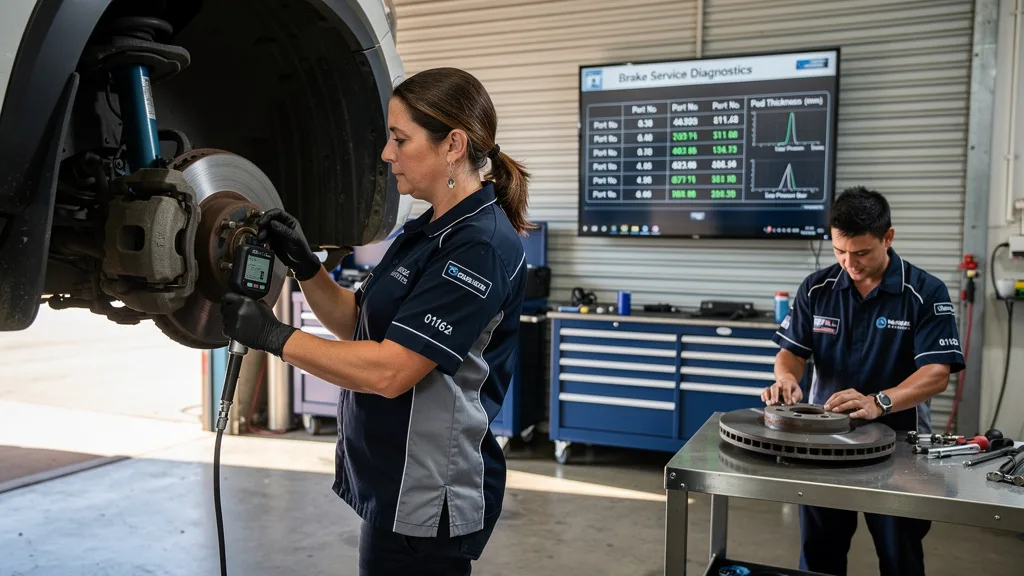
- Persistent Noise: While a very slight noise can occur during the initial bedding-in period, continuous squealing, grinding, or clunking is a red flag. It can indicate improper installation, low-quality parts, or unaddressed issues with calipers or hardware.
- Vibrations or Pulsating: If you feel a shudder or pulse through the brake pedal or steering wheel when you brake, it often points to warped rotors that were not replaced or machined correctly.
- Spongy or Soft Brake Pedal: A pedal that feels soft or sinks toward the floor indicates a problem in the hydraulic system. This is a serious safety concern and could be caused by air in the brake lines that wasn't properly bled out during the service.
- Vehicle Pulling to One Side: If your car veers left or right when you apply the brakes, it suggests an imbalance in the braking system. This could be due to a sticking caliper, a contaminated pad on one side, or an issue with a brake hose.
- Brake Warning Light: If a brake-related warning light (like ABS or the main brake light) illuminates on your dashboard after a repair, it signals that the system's sensors have detected a fault that requires immediate professional attention.
What a Professional Car Brake Service in Darwin Involves
A professional car brake service is more than just a parts swap; it's a meticulous process designed to restore your vehicle's most important safety system to peak condition. At MechanicDarwin, we follow a comprehensive procedure to ensure every aspect of your brakes is inspected, serviced, and tested for reliable performance in local conditions. We provide a transparent, fixed-price quote before any work begins.
Comprehensive Diagnostic and Inspection Process
Our process begins with a detailed inspection and a conversation with you about any symptoms you've noticed. We then put your vehicle on a lift to perform a multi-point check of the entire braking system. This includes measuring the thickness of your brake pads and rotors, checking for any signs of fluid leaks from lines or calipers, and inspecting the condition of all hardware.
We use specialized tools to ensure every measurement is precise. This diagnostic stage is crucial for identifying the root cause of any problem and preventing unnecessary replacements. A thorough inspection ensures we fix the issue correctly the first time, saving you time and money. Knowing how often you should service your car in Darwin's climate helps you stay ahead of potential brake issues.
| Inspection Point | Typical DIY Check | Professional Service (MechanicDarwin) |
|---|---|---|
| Visual Pad Wear | ✔ | ✔ |
| Rotor Surface Check | ✔ | ✔ |
| Brake Fluid Level & Color | ✔ | ✔ |
| Pad & Rotor Thickness Measurement | ✘ | ✔ |
| Caliper Function & Slide Pin Check | ✘ | ✔ |
| Brake Hose Inspection (Cracks/Bulges) | ✘ | ✔ |
| Brake Fluid Moisture Test | ✘ | ✔ |
| ABS/Traction Control System Scan | ✘ | ✔ |
Pad and Rotor Replacement Standards
If new pads or rotors are required, we only use high-quality parts from trusted manufacturers that meet or exceed OEM specifications. Our technicians ensure all mounting surfaces are cleaned of rust and debris to guarantee a perfect fit and prevent rotor runout, which causes vibrations. All hardware, such as clips and slide pins, are cleaned, lubricated, or replaced as needed to ensure the calipers function smoothly.
Every bolt is tightened to the precise torque specifications set by your vehicle's manufacturer using a calibrated torque wrench. This is a critical step that is often overlooked in DIY repairs, but it is essential for safety and proper function. This attention to detail ensures your new brakes perform quietly and effectively from day one.
Brake Fluid Flush and ABS System Checks
When performing a brake fluid flush, we use specialized equipment to ensure all of the old, contaminated fluid and any trapped air bubbles are purged from the system. We then refill it with the correct type of new, high-quality fluid. This restores a firm pedal feel and protects internal components from corrosion, a common issue highlighted in reports on the most common causes of brake failure.
For modern vehicles, the service isn't complete without addressing the Anti-lock Braking System (ABS). We use advanced diagnostic scanners to communicate with your car's computer, check for any fault codes, and ensure the ABS module and wheel speed sensors are functioning correctly. This ensures that your vehicle's advanced safety features are working in harmony with the mechanical components we've just serviced.
Key Takeaways
Your safety on the road depends on a fully functional braking system. By understanding and avoiding common pitfalls, you can ensure your car remains reliable. Here are the most important points to remember:
- Listen to Your Car: Never ignore warning signs like squealing, grinding, or a soft pedal. These are early indicators that your brakes need immediate attention.
- Quality Over Price: Always use high-quality, vehicle-specific brake parts. Cheap components wear out faster and can fail under pressure, especially in Darwin's heat.
- Don't Forget the Fluid: Brake fluid is critical. Have it flushed and replaced every two years to prevent contamination and ensure reliable hydraulic pressure.
- Service the Whole System: A proper brake service involves more than just pads. Rotors, calipers, hoses, and fluid must all be inspected and serviced by a professional.
- Trust the Experts: Brake systems are complex and critical for safety. Avoid risky DIY repairs and trust a qualified technician with the right tools and expertise. Our auto repair and mechanic services cover every aspect of brake maintenance.
Frequently Asked Questions
What is the most common cause of brake failure?
The most common cause of sudden brake failure is a loss of hydraulic pressure. This is typically due to a brake fluid leak from a ruptured hose, a corroded brake line, or a failing master cylinder. Another frequent cause is severely degraded brake fluid that boils under pressure, creating air in the lines and rendering the pedal ineffective.
Regular inspections are the best way to catch potential leaks or fluid contamination before they lead to a catastrophic failure. If your brake pedal ever feels spongy or goes to the floor, pull over safely as soon as possible and have your vehicle towed to a professional.
How much should a typical brake job cost in 2026?
The cost of a brake job in Darwin in 2026 can vary significantly depending on the vehicle and the extent of the work required. For a straightforward front or rear brake pad replacement on a standard passenger car, you might expect to pay between $250 and $450. If the rotors also need machining or replacement, the cost could increase to between $500 and $800+ per axle.
Costs for European cars, 4WDs, or vehicles with performance brakes will be higher due to more expensive parts. At MechanicDarwin, we provide a detailed, fixed-price quote after our initial inspection, so you know the exact cost before we start any work.
How long do brake pads and rotors usually last in Darwin's conditions?
In Darwin's hot and humid climate, brake components tend to have a shorter lifespan than in cooler, drier regions. Generally, you can expect brake pads to last between 30,000 and 60,000 kilometers, while rotors may last for two sets of pads. However, this is highly dependent on your vehicle, driving style, and whether you do more city or highway driving.
Stop-and-go traffic, heavy loads, and aggressive braking will wear parts out much faster. The high humidity also accelerates brake fluid contamination, making the recommended two-year fluid flush even more critical here.
What is the 30/30/30 rule for new brakes?
The 30/30/30 rule is a common guideline for bedding in new brake pads and rotors. It involves making 30 gentle stops from 30 mph (about 50 km/h) with 30 seconds of cooling time between each stop. This process helps to properly transfer a layer of friction material from the pad to the rotor.
This procedure ensures a perfect mating surface, which maximizes stopping power, prevents noise, and prolongs the life of the new components. While it's a good general rule, always follow the specific bedding-in instructions provided by the parts manufacturer or your mechanic.
Can you drive a car immediately after a brake replacement?
Yes, you can drive your car immediately after a brake replacement, but you should do so with care. The new pads and rotors need to go through the bedding-in process. For the first 200-300 kilometers, you should avoid hard, sudden braking, as this can overheat the new components and cause them to glaze over, reducing their effectiveness.
Try to anticipate stops and brake gently and progressively. This initial gentle use is crucial for the long-term performance and lifespan of your new brakes. Your mechanic will perform an initial road test and should advise you on these first few hundred kilometers.
Conclusion
Avoiding the common brake repair mistakes Darwin drivers make is fundamental to ensuring your vehicle's safety and reliability. By recognizing early warning signs, investing in quality parts, and entrusting the work to qualified professionals, you protect yourself from catastrophic failures and expensive follow-up repairs. A well-maintained braking system provides not just stopping power, but peace of mind on every journey through the Top End.
Don't wait for a close call to take your brakes seriously. If you've noticed any changes in your car's braking performance or if it's been a while since your last inspection, our team is here to help. We offer honest advice and expert service for all makes and models. Book a Service with us today for a comprehensive brake check and a fixed-price quote.
Written by MechanicDarwin Technical Team
MechanicDarwin Trade-Qualified Technician
Trade-qualified technician at MechanicDarwin with extensive experience diagnosing and repairing vehicles under extreme Northern Territory conditions.