
How to Check a Diesel Fuel Filter Water Separator in Darwin
Learn how to check your diesel fuel filter water separator in Darwin. Follow our guide to spot symptoms of water in fuel and protect your engine from costly.
MechanicDarwin Technical Team
MechanicDarwin Certified Technician

Is your diesel vehicle prepared to handle the intense humidity of Darwin's climate? A small amount of water in your fuel can lead to significant engine problems, but a simple check can save you from costly repairs. Knowing how to check diesel fuel filter water separator in Darwin is a crucial piece of maintenance for any diesel owner in the Top End.
To check your diesel fuel filter water separator, you must first locate the unit, which is typically a canister with a clear bowl at the bottom found in the engine bay or along the vehicle's frame rail. Visually inspect the bowl for a distinct layer of clear water settled beneath the diesel fuel. If water is present, carefully open the drain plug at the bottom and let the water and any sediment drain into a container until only clean diesel flows out, then tighten the plug.
Why Checking Your Fuel Filter Water Separator Is Critical in Darwin
Darwin's tropical climate, especially during the wet season, is characterized by extremely high humidity. This moisture in the air can easily condense inside your vehicle's fuel tank as temperatures fluctuate, introducing water directly into your fuel supply. This isn't just a minor inconvenience; it's a direct threat to the health of your engine. Water doesn't compress or burn like diesel, and its presence can be catastrophic for high-pressure fuel systems.
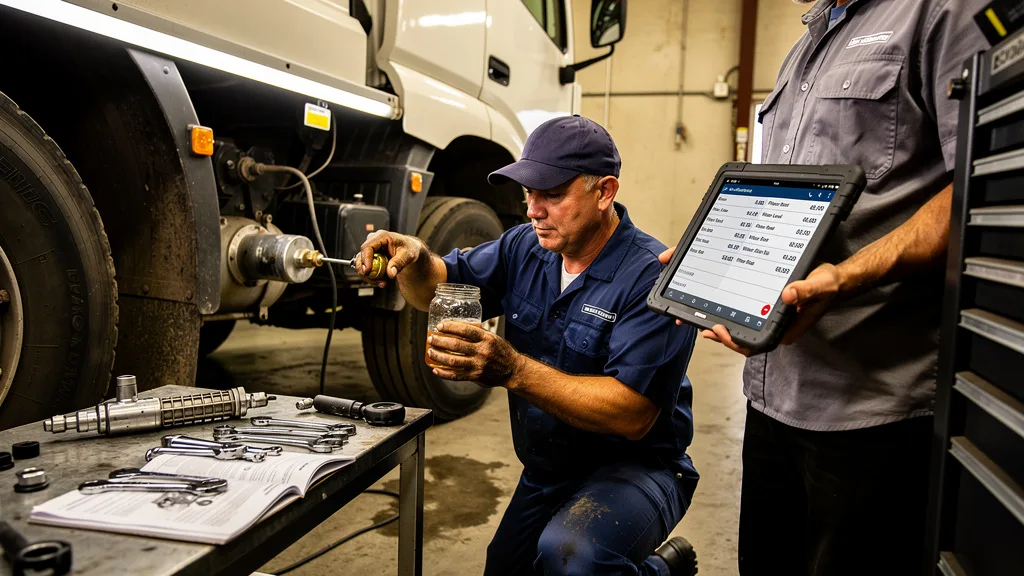
Modern diesel engines rely on incredibly fine tolerances, particularly in components like fuel injectors and high-pressure pumps. Water contamination can cause corrosion, lead to blockages, and prevent proper lubrication of these expensive parts, resulting in failures that can cost thousands to repair. A fuel filter water separator is your engine's primary defense, and regularly checking and draining it is the most effective way to prevent this damage before it starts. This simple task is a core part of preparing your vehicle for the wet season.
Symptoms of Water in Your Diesel Fuel System
Your vehicle will often give you clear warning signs when water has entered the fuel system. Ignoring these symptoms can lead to more severe and expensive damage. Being able to recognize these indicators early allows you to take action before a minor issue becomes a major breakdown.
Poor Engine Performance and Sputtering
One of the most common signs of water in your fuel is a noticeable drop in engine performance. You might experience the engine sputtering, hesitating during acceleration, or running rough, especially under load. This happens because the injectors are trying to spray a mix of water and diesel into the cylinders.
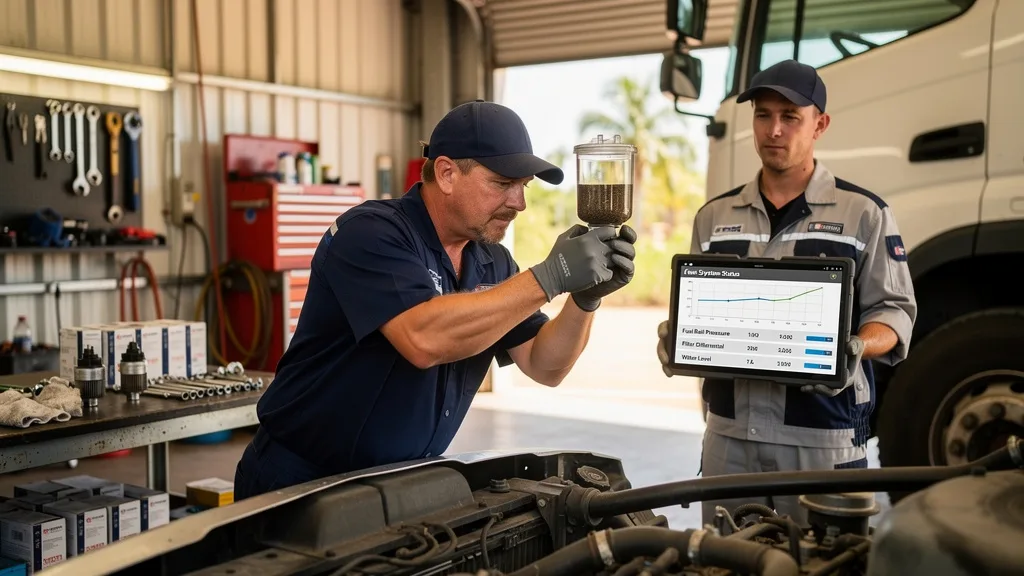
Since water does not combust, its presence disrupts the combustion cycle, leading to misfires and a loss of power. The engine may feel like it's struggling to keep up, and you might notice jerky movements or an inconsistent engine note. This is a clear signal that the fuel supply is compromised and needs immediate attention.
Difficulty Starting Your Vehicle
If water has accumulated in the fuel lines or the filter itself, it can make starting your engine very difficult, or even impossible. The engine needs a clean, consistent supply of diesel to fire up. If a significant amount of water is drawn into the system when you turn the key, the engine may crank but fail to start.
This problem can be intermittent at first, perhaps only occurring after the vehicle has been sitting overnight, allowing water to settle in low points of the fuel system. If you find your diesel vehicle is taking longer than usual to start, water contamination is a likely culprit that should be investigated promptly.
Visible Warning Lights on Your Dashboard
Many modern diesel vehicles are equipped with a sensor in the fuel water separator. When this sensor detects a certain level of water collected in the bowl, it will trigger a specific warning light on your dashboard. This light often looks like a fuel pump icon with water droplets or will simply display a message like "Water in Fuel".
This is the most direct indication that your separator needs to be drained. In some cases, general engine warning lights, like the "Check Engine" light, may also illuminate due to the poor running conditions caused by water contamination. Never ignore these warnings; they are designed to help you prevent serious engine damage.
How a Diesel Fuel Water Separator Protects Your Engine
A diesel fuel filter water separator is an ingeniously simple yet highly effective device that protects your entire fuel system. Its operation is based on a fundamental principle of physics: water is denser than diesel fuel. As fuel from the tank passes through the separator unit, the flow is slowed, giving heavier contaminants and water droplets time to separate from the lighter diesel.
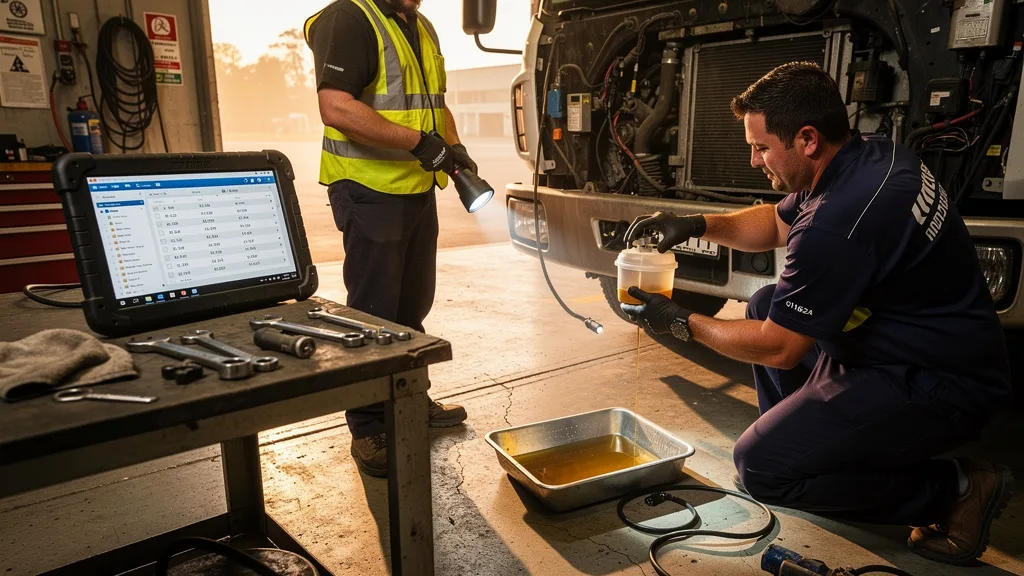
The water and any sediment, like rust or dirt, sink to the bottom of the unit and collect in a clear inspection bowl. Meanwhile, the clean diesel fuel continues on through the filter element, which traps any remaining fine particles, before heading to the high-pressure fuel pump and injectors. This two-stage process ensures that only pure, uncontaminated fuel reaches the most sensitive parts of your engine. For more detail, you can read about the dirty secrets of diesel filtration explained by industry experts.
This protective barrier is essential for the longevity and reliability of a modern diesel engine. Without it, the microscopic tolerances of common-rail injectors would be quickly destroyed by corrosion and abrasive particles. The separator acts as a gatekeeper, and your job as the vehicle owner is to periodically empty what it has collected.
A Step-by-Step Guide to Checking Your Separator
Performing a check on your fuel water separator is a straightforward task that most vehicle owners can do themselves with a few basic tools. Making this a regular part of your maintenance routine, especially in Darwin, will pay dividends in engine health and reliability. Follow these steps carefully for a safe and effective check.
Step 1: Gather Necessary Tools and Safety Gear
Before you begin, ensure you have everything you need. Safety should always be your first priority when working with fuel systems. You will need nitrile gloves to protect your hands from diesel fuel, safety glasses to protect your eyes, and some clean rags or paper towels for spills.
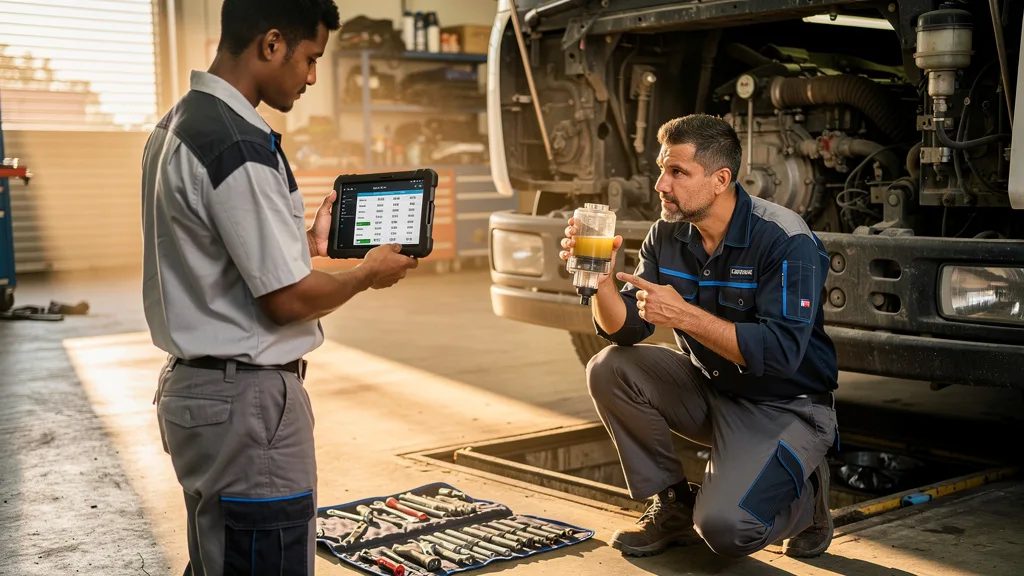
You will also need a clean, clear jar or container to drain the contents of the separator into. Using a clear container is important as it allows you to see exactly what is coming out of the filter, helping you distinguish between water, sediment, and clean fuel. Finally, have any tools required to access the filter, though many have hand-operable drain plugs.
Step 2: Locate the Fuel Filter Water Separator
The location of the fuel filter water separator can vary depending on your vehicle's make and model. In most 4WDs and commercial vehicles, you can find it in the engine bay, often mounted to the firewall or an inner guard. On other vehicles, it might be located underneath, along the chassis frame rail between the fuel tank and the engine.
The unit typically looks like a metal or plastic canister with a screw-on filter element. The key feature to look for is the clear plastic or glass bowl at the very bottom of the assembly. This bowl will have a small drain plug or petcock at its base, which is used to empty the collected water.
Step 3: Visually Inspect the Bowl for Water
Once you have located the separator, the next step is a simple visual inspection. Look closely at the contents of the clear bowl. Since water is denser than diesel, it will settle at the very bottom. You are looking for a distinct separation line between two liquids.
Diesel fuel is typically a yellow, amber, or green color. The water underneath it will be clear or possibly cloudy. You may also see small dark specks of sediment or rust settled with the water. If you see this layer of water, even a small amount, it's time to drain it.
Step 4: Safely Drain the Collected Contaminants
Place your clean, clear container directly underneath the drain plug. Carefully loosen and open the plug; on many models, this can be done by hand. Allow the contents to drain into the container. You should see the water layer come out first, followed by any sediment.
Keep the plug open until you see clean diesel fuel flowing out. Once the stream is pure fuel, tighten the drain plug securely, but be careful not to overtighten it. Wipe away any spilled diesel with a rag. Depending on your vehicle, you may need to prime the fuel system to remove any air introduced during the process. Check your owner's manual for the specific priming procedure, which often involves pumping a small plunger on top of the filter housing until it becomes firm.
After the Check: When to Drain vs. When to Replace
After checking your separator, you need to decide on the next course of action. In most cases, simply draining the collected water is sufficient. However, there are situations where a full replacement of the filter element is necessary to ensure the continued protection of your engine.
Signs It's Time for a Full Filter Replacement
Draining the bowl removes the water, but it doesn't clean the paper filter element itself. You should plan to replace the entire filter element at the interval recommended by your vehicle's manufacturer, which is typically every 10,000 to 20,000 kilometers. However, you may need to replace it sooner if you notice certain signs.
If the separator bowl fills with water very quickly after being drained, or if you see a large amount of sludge or algae, it's a sign of a heavily contaminated fuel source and the filter is working overtime. If the filter element itself looks dark, clogged, or you continue to experience performance issues after draining, it's time for a replacement. A clogged filter can restrict fuel flow, starving the engine of power.
The Role of Quality Pre-Filters in a Proper Fuel Filtration System
For those who frequently travel in remote areas or want the ultimate protection, installing an additional pre-filter is a wise investment. A proper fuel filtration system often involves two stages. The pre-filter is a supplementary unit installed before the factory (final) filter. Its job is to catch larger particles and the bulk of any water before the fuel even reaches the main filter.
These pre filters typically have a higher micron rating (e.g., 30 microns) compared to the final filter (around 2-5 microns). By removing the bigger contaminants first, the pre-filter significantly reduces the workload on your more expensive factory filter, extending its life and improving overall filtration efficiency. This is especially beneficial in high-dust areas or when the quality of diesel fuel is uncertain.
Special Fuel Care Considerations for Darwin's Climate
Living and driving in Darwin requires a proactive approach to vehicle maintenance, particularly concerning your fuel system. The persistent high humidity is a constant threat, but a few simple habits can dramatically reduce the risk of water contamination in your diesel engine.
One of the most effective strategies is to keep your fuel tank as full as possible. A full tank has less empty air space, which means there is less surface area for moisture-laden air to condense into water droplets. Try to refuel once your tank reaches the halfway mark rather than waiting for the fuel light to come on. Additionally, be selective about where you purchase fuel. Opt for busy, high-turnover service stations, as their fuel is more likely to be fresh and free from water that can accumulate in slow-moving underground storage tanks. This is a vital part of your regular car servicing Darwin routine.
Key Takeaways
- High Humidity is the Enemy: Darwin's climate causes water to condense in fuel tanks, making regular checks of your fuel water separator essential.
- Know the Symptoms: Watch for poor engine performance, starting difficulties, and dashboard warning lights as signs of water in your fuel.
- Simple to Check: The process involves locating the separator, visually inspecting the bowl for water, and draining any contaminants found.
- Drain or Replace: Drain the bowl regularly, but replace the entire filter element at service intervals or if it appears clogged or contaminated.
- Prevention is Key: Keep your fuel tank full and use high-turnover service stations to minimize the risk of water contamination.
Frequently Asked Questions
How can you tell if a fuel water separator is bad?
You can tell a fuel water separator is bad or failing through several key symptoms. The most obvious are engine performance issues, such as sputtering, hesitation, or a loss of power, which indicate the filter is either clogged and restricting fuel flow, or has failed and is allowing water into the injectors.
Another clear sign is a persistent "water in fuel" warning light that does not go away even after draining the bowl. This could mean the sensor itself is faulty or the filter is so saturated it can no longer effectively separate water. Visually, if the filter element looks extremely dark, sludgy, or damaged, it is well past its service life and needs to be replaced.
How often should you check a diesel fuel filter in a humid climate?
In a humid climate like Darwin's, you should check your diesel fuel filter water separator much more frequently than in a dry climate. A good rule of thumb is to perform a visual inspection of the separator bowl every 2,500 to 5,000 kilometers, or at least once a month.
This allows you to catch any water accumulation before it becomes a problem. The actual frequency of how often you should drain it depends on what you find. For a comprehensive schedule, it's best to align these checks with your regular maintenance. Understanding how often you should service your car in Darwin's climate can help you create a consistent routine.
Can you drive with water in your fuel filter?
It is strongly advised not to drive with water in your fuel filter. While the separator is designed to trap this water, its capacity is limited. Once the bowl is full, any additional water can be forced through the system and sent directly to your high-pressure pump and injectors, causing catastrophic and expensive damage.
Driving with water in the system will also lead to poor performance, stalling, and potential long-term corrosion of critical fuel system components. If your "water in fuel" light comes on, you should pull over as soon as it is safe and drain the separator or call for professional assistance.
What is the difference between a pre-filter and a final filter?
The main difference between a pre-filter and a final filter is the level of filtration they provide, defined by their micron rating. A pre-filter is a primary filter designed to remove larger contaminants and separate the bulk of any water. It has a higher micron rating, typically around 30 microns, meaning it catches larger particles.
A final filter, which is the standard filter fitted by the manufacturer, is a secondary filter with a much finer micron rating, often between 2 and 5 microns. Its job is to remove the microscopic particles that got past the pre-filter, providing the last line of defense before the fuel enters the highly sensitive common-rail injection system.
Is it difficult to replace a fuel filter water separator yourself?
For someone with moderate mechanical experience, replacing a fuel filter element is generally not a difficult task. The process usually involves unscrewing the old filter, transferring the water bowl to the new filter, and screwing the new assembly back on. However, the critical and sometimes tricky part is priming the fuel system afterward to remove all air.
If the system is not primed correctly, the vehicle will not start. If you are not confident in performing this task, have limited tools, or are concerned about fuel spills, it is best to have it done professionally. A qualified technician, like a mobile mechanic in Darwin, can perform the replacement quickly and ensure the system is properly bled and ready to go.
Conclusion
Regularly checking your diesel fuel filter water separator is not just another item on a maintenance checklist; it's one of the most important preventative actions you can take to protect your vehicle in Darwin's demanding environment. By understanding the signs of water contamination and knowing how to perform a simple drain, you can prevent catastrophic engine damage, avoid costly repairs, and ensure your vehicle remains reliable when you need it most. This small investment of time provides significant peace of mind.
If you've inspected your filter and feel uncertain about replacing it, or if your vehicle is already showing signs of fuel contamination, don't hesitate to seek professional help. Our certified technicians are equipped to handle all aspects of diesel fuel system maintenance. Book a Service with us today for an expert assessment and peace of mind.
Written by MechanicDarwin Technical Team
MechanicDarwin Trade-Qualified Technician
Trade-qualified technician at MechanicDarwin with extensive experience diagnosing and repairing vehicles under extreme Northern Territory conditions.