
Car Warning Lights Explained: A Guide for Darwin Drivers
Discover the common car warning lights and what they mean in Darwin. Our guide explains red, yellow, and green dashboard symbols to keep you safe.
MechanicDarwin Technical Team
MechanicDarwin Certified Technician

Has a mysterious symbol ever lit up on your car's dashboard, causing a moment of panic? Understanding the common car warning lights and what they mean in Darwin is crucial for every driver. These lights are your vehicle's primary way of communicating potential issues, and ignoring them can lead to expensive repairs or dangerous situations on the road, especially in the Northern Territory's unique climate.
Dashboard warning lights are categorized by color to indicate urgency. Red lights signal a critical problem that requires immediate attention, often meaning you should pull over safely as soon as possible. Yellow or amber lights suggest a component needs servicing or inspection soon, while green or blue lights are simply indicators that a system, like your headlights or cruise control, is active. Knowing the difference helps you react appropriately and maintain your vehicle's health.
Understanding Common Car Warning Lights in Darwin
Your car's dashboard is a complex communication hub. When a symbol illuminates, it's not just a random flicker; it's a specific message from your vehicle's onboard diagnostic system. These warnings are designed to alert you to issues ranging from minor faults, like a loose fuel cap, to critical failures that could compromise your safety or cause severe engine damage. Ignoring these signals can turn a small, manageable problem into a major breakdown.
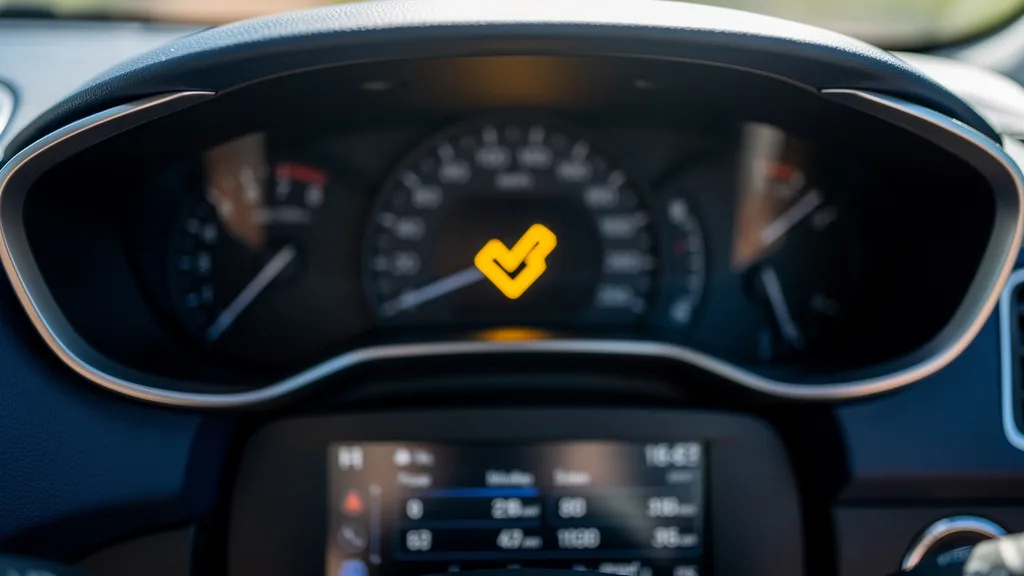
In a place like Darwin, where high temperatures and humidity are the norm, certain vehicle systems are under constant stress. The cooling system, battery, and tires are particularly vulnerable. A warning light related to any of these components should be taken very seriously. Promptly addressing a dashboard alert can prevent you from being stranded on the side of the Stuart Highway and helps ensure your car remains reliable, whether you're commuting in the city or heading out for a weekend adventure.
The Dashboard Warning Light Color Code: Severity at a Glance
To help drivers quickly assess a situation, dashboard warning lights use a universal color-coding system similar to a traffic light. Each color represents a different level of urgency, guiding your next steps. Recognizing what red, yellow, and green or blue lights signify is the first step in diagnosing a potential problem and avoiding costly repairs.
"Think of your dashboard lights as your car's health report. A red light is a critical alert, an amber light is a doctor's appointment reminder, and a green light is just letting you know everything is working as it should. Never ignore the red flags."
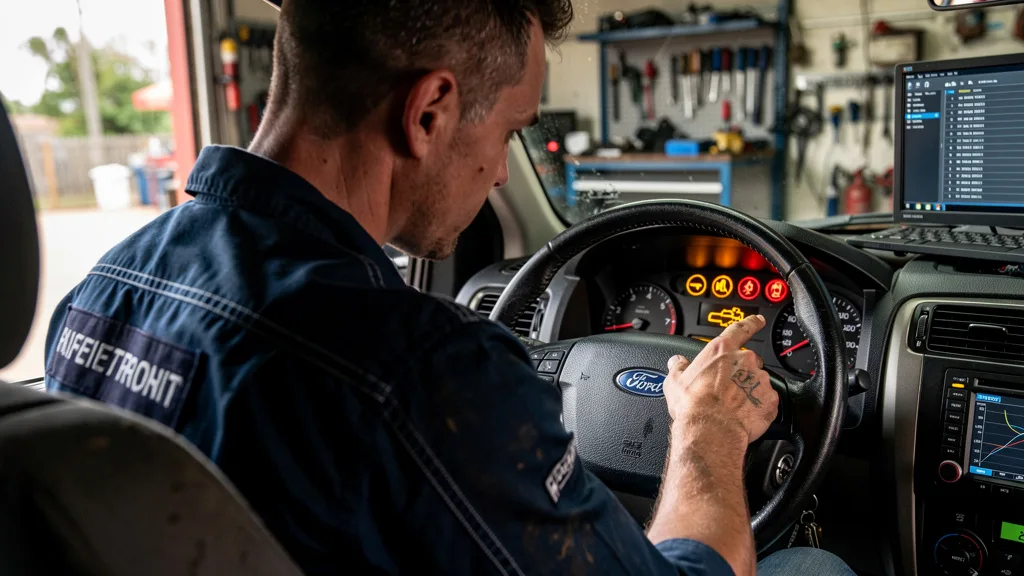
The table below provides a complete breakdown of what each color means and the action you should take. This simple guide is essential for all drivers to prevent safety risks and keep their vehicles in top condition.
| Color | Severity Level | Recommended Action |
|---|---|---|
| Red | Critical / Dangerous | Stop the car safely as soon as possible and investigate. Do not continue driving. |
| Yellow / Amber | Caution / Check Soon | A system needs attention or service. Proceed with caution and have the vehicle checked by a mechanic. |
| Green / Blue | Informational | A system is currently active (e.g., headlights, cruise control). No action is required. |
Red: Immediate Action Required
A red warning light indicates a serious problem that requires your immediate attention. These are the most critical alerts your car can display, often related to essential systems like your brakes, engine temperature, or oil pressure. When you see a red light, it's a clear signal to find a safe place to pull over, turn off the engine, and assess the situation.
Continuing to drive with a red warning light active can lead to catastrophic engine failure, loss of braking ability, or other severe safety hazards. Do not attempt to drive to a mechanic unless you are certain it is safe to do so. In most cases, the best course of action is to call for roadside assistance or a mobile mechanic in Darwin to avoid further damage.
Yellow or Amber: Proceed with Caution
Yellow or amber dashboard lights are cautionary. They signify that a vehicle system has detected a fault, but the issue is not immediately critical. Common examples include the Check Engine Light, ABS light, or Tyre Pressure Monitoring System (TPMS) warning. While you don't need to pull over instantly, you should not ignore these alerts.
A yellow light is your car's way of saying, "Something isn't right, please get me checked soon." It's safe to continue your journey, but you should schedule an appointment with a qualified technician to diagnose the problem. Ignoring an amber light can eventually lead to a more serious, and often more expensive, red-light issue down the line. brakes need attention.
Green or Blue: System Is Active
Unlike red and yellow lights, green or blue lights are not warnings. These are simply informational indicators to let you know a specific feature is on and operating correctly. For example, a green light might show that your headlights are on, while a blue light typically indicates that your high beams are activated.
Other common informational lights include the cruise control symbol, turn signals, and fog light indicators. There's no need for concern when you see these lights. They are a normal part of your vehicle's operation, confirming that your commands have been received and the corresponding system is engaged.
Critical Red Warning Lights and Their Meanings
Red warning lights demand your immediate and undivided attention. They signal a failure in a critical system that could affect your safety or cause irreversible damage to your vehicle. Knowing what these specific symbols mean can help you make a fast, informed decision in a stressful situation.
Engine Temperature Warning
This light, which often looks like a thermometer floating in water, indicates that your engine is overheating. This is a very serious issue, especially in Darwin's heat. An overheating engine can quickly lead to a warped cylinder head or complete engine seizure, resulting in thousands of dollars in repairs. If this light comes on, pull over immediately, turn off the engine, and let it cool down completely. Do not attempt to open the radiator cap while the engine is hot, as pressurized steam can cause severe burns. It's best to call for professional help for a proper diagnosis of your cooling system, which may be part of a routine general car servicing inspection.
Oil Pressure Warning
The oil pressure warning light, symbolized by an old-fashioned oil can, is one of the most critical alerts your car can give you. It means the engine has lost oil pressure, which is essential for lubricating its moving parts. Without proper lubrication, metal components will grind against each other, causing rapid and catastrophic engine damage.
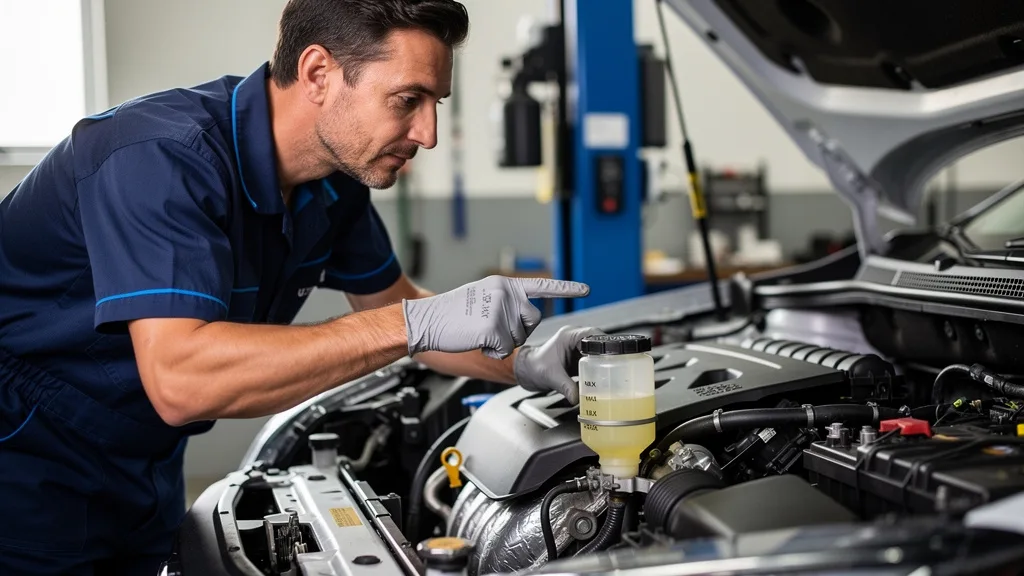
If this light appears, pull over and shut off the engine immediately. Every second the engine runs without oil pressure increases the risk of it being destroyed. The cause could be a low oil level or a failing oil pump. Check your oil level after the engine has cooled, but even if the level is correct, do not restart the engine. It's crucial to have it towed to a professional.
Brake System Warning
This light, usually an exclamation mark inside a circle, signals a problem with your brake system. It could mean your parking brake is still engaged, but it can also indicate a more serious issue like low brake fluid or a hydraulic system failure. If the light remains on after you have fully disengaged the parking brake, your vehicle's stopping power could be compromised.
Test your brakes carefully at a low speed. If they feel spongy or unresponsive, pull over immediately. Losing your brakes is a life-threatening situation. Given the safety implications, any brake system warning should be inspected by a qualified mechanic without delay. You can find a more extensive list of Car Warning Light Symbols and their meanings online for further reference.
Battery and Charging System Alert
The battery light indicates a problem with the vehicle's charging system, not necessarily the battery itself. It means the alternator is no longer generating enough power to run the car's electrical systems and recharge the battery. Your car is now running solely on battery power, and it will shut down once the battery is depleted, which can happen quickly.
When this light comes on, turn off all non-essential electronics like the radio and air conditioning to conserve power. Do not turn off the engine until you have reached a safe location, as it may not restart. You have a very limited amount of time before the car dies, so head directly to a mechanic or a safe place to stop.
Common Yellow and Amber Warning Symbols
Yellow and amber lights are the most frequent warnings drivers see. While not as urgent as red lights, they are important indicators that a system requires inspection. Addressing these promptly ensures your vehicle continues to operate safely and efficiently.
Check Engine Light (CEL)
The infamous Check Engine Light (CEL) can be triggered by hundreds of potential issues, from something as simple as a loose fuel cap to a complex problem like a failing catalytic converter. A solid CEL means a non-urgent fault has been detected. You can continue driving, but you should schedule a diagnostic check as soon as possible.
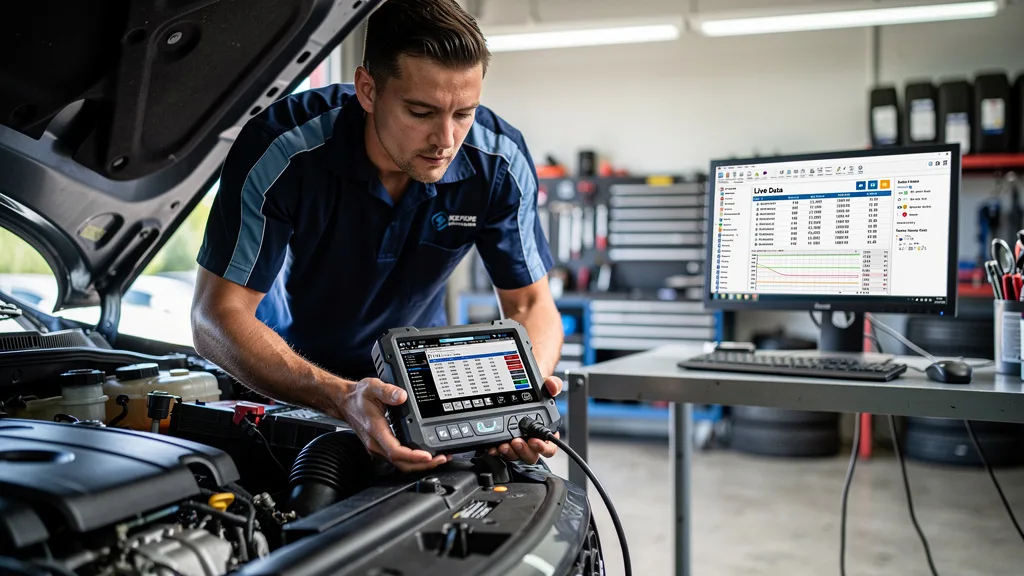
However, if the Check Engine Light is flashing, it signals a severe engine misfire. This can rapidly damage your catalytic converter, an expensive and vital emissions control component. If you see a flashing CEL, reduce your speed and avoid heavy acceleration. Pull over and have your vehicle towed to a mechanic to prevent costly damage. A comprehensive guide to Car Dashboard Symbols & Meanings can help you identify other potential issues.
Anti-Lock Brake System (ABS) Light
The ABS light indicates a fault within the Anti-Lock Braking System. This safety feature prevents your wheels from locking up during hard braking, allowing you to maintain steering control. When the ABS light is on, the system is disabled, and your car will revert to conventional braking.
Your brakes will still work, but you will not have the added safety of the anti-lock function. This is particularly important to be aware of during Darwin's wet season, when roads can be slick. Drive with extra caution, allow for longer stopping distances, and have the system repaired by a professional to restore full safety functionality. Proper vehicle maintenance is key to preparing for the wet season in Darwin.
Tyre Pressure Monitoring System (TPMS)
The TPMS light, which looks like a cross-section of a tire with an exclamation mark inside, alerts you when the pressure in one or more of your tires is significantly low. Driving on under-inflated tires is dangerous, as it can affect handling, increase braking distances, and lead to a blowout.
When this light comes on, find a safe place to stop and visually inspect your tires. Use a tire pressure gauge to check the pressure of all four tires and inflate them to the manufacturer's recommended level, which can usually be found on a sticker inside the driver's door jamb. In Darwin's heat, tire pressure can fluctuate, so regular checks are a good habit.
Traction Control or Stability Control Light
This light, often showing a car with squiggly lines behind it, relates to your vehicle's traction control (TCS) or electronic stability control (ESC) system. If the light is flashing, it means the system is actively working to maintain traction, for example, on a wet or gravelly road. This is normal operation.
If the light stays on continuously, it indicates a fault in the system. Similar to the ABS, the traction and stability control systems will be disabled. While you can still drive the vehicle, you won't have the benefit of this important safety feature, so it's wise to drive more cautiously and have the system checked.
What to Do When a Warning Light Comes On
Seeing a warning light can be unsettling, but a calm and methodical approach is best. Panicking won't solve the problem. Instead, follow these simple steps to ensure your safety and address the issue correctly.
First, identify the color of the light to gauge its urgency. If it's red, pull over safely as soon as you can. If it's yellow, make a plan to have it inspected soon. Second, if you are unsure what the symbol means, consult your vehicle's owner's manual for a specific definition. Finally, and most importantly, do not ignore the warning. Contact a trusted mechanic to perform a diagnostic check and resolve the underlying problem. Many issues can be handled conveniently with a mobile mechanic service that comes to your home or workplace.
Key Takeaways
Understanding your vehicle's dashboard is essential for every driver in Darwin. Being able to quickly interpret these symbols ensures your safety and helps prevent minor issues from becoming major expenses. Here are the most important points to remember:
- Color is Key: Red lights mean stop immediately, yellow/amber lights mean check soon, and green/blue lights are for your information.
- Never Ignore Red Lights: Critical warnings like engine temperature, oil pressure, and brake system faults require you to pull over safely and turn off the engine to prevent severe damage or an accident.
- Address Yellow Lights Promptly: The Check Engine Light, ABS, and TPMS warnings are your car's way of asking for a check-up. Addressing them early saves money and ensures safety systems are working correctly.
- Climate Matters: Darwin's heat puts extra strain on your car's cooling system, battery, and tires, making it even more important to pay attention to related warnings.
- When in Doubt, Ask a Pro: Your owner's manual is a great first reference, but a professional diagnostic check is the only way to be certain of the cause. Don't guess when it comes to your safety.
Frequently Asked Questions
What are the most common warning symbols on a car dashboard?
The most common warning symbols you'll encounter are the Check Engine Light, Oil Pressure Warning, Engine Temperature Warning, Battery/Charging System Alert, and the Tyre Pressure Monitoring System (TPMS) light. These relate to the core systems of your vehicle that require regular monitoring.
Is it safe to drive with the check engine light on?
You may also frequently see the Brake System Warning (which can also indicate the handbrake is on), the ABS light, and the Airbag Warning light. Familiarizing yourself with these key symbols will cover the majority of alerts you are likely to experience.
How do I reset a car warning light after a repair?
It depends. If the check engine light is solid (not flashing), it generally indicates a less urgent issue, and you can usually continue driving. However, you should get the vehicle diagnosed by a mechanic as soon as is practical. The issue could be minor, like a loose fuel cap, or it could be a sensor failure that affects fuel economy and emissions.
Does Darwin's hot climate affect my car's warning lights?
If the check engine light is flashing, it signals a serious problem, typically an engine misfire that can destroy your catalytic converter. In this case, you should pull over as soon as it is safe, reduce your speed, and have the vehicle towed to a repair shop to prevent very expensive damage.
What is the difference between a warning light and an indicator light?
After a professional repair, the mechanic will use a diagnostic tool to clear the fault code from your car's computer, which will turn off the warning light. In many cases, after the underlying issue is fixed, the light will go off on its own after several drive cycles as the system re-runs its checks and confirms the fault is gone.
It is not recommended to simply disconnect the battery to reset a light. While this might temporarily clear the code, it doesn't fix the root problem. The light will almost certainly return, and you'll be driving with an unresolved issue that could cause further damage.
Yes, absolutely. The persistent high heat and humidity in Darwin put extra stress on several key vehicle components. Your engine's cooling system has to work much harder, making overheating a greater risk. Batteries also tend to have a shorter lifespan in hot climates, so the battery warning light may be a more common sight.
Additionally, high road surface temperatures can cause tire pressure to fluctuate, potentially triggering the TPMS light more often. Regular maintenance, as discussed in our guide on how often you should service your car in Darwin's climate, is the best way to mitigate these climate-related risks.
The primary difference is their purpose and color. Warning lights, which are typically red or yellow/amber, alert you to a problem, malfunction, or safety issue that requires your attention. They signal that something is wrong with your vehicle.
Indicator lights, which are usually green or blue, are purely informational. They don't signal a problem. Instead, they simply confirm that a system you have activated is currently operating, such as your turn signals, high beams, or cruise control. They are a normal and expected part of driving.
Conclusion
By understanding the common car warning lights and what they mean in Darwin, you can respond with confidence instead of confusion. These dashboard symbols are your first line of defense against mechanical failures, helping you protect your investment and ensure your safety on the road. Remember the color code: red demands immediate action, yellow requires a prompt check-up, and green is simply informational. Paying attention to these signals, especially in the Territory's demanding climate, is the smartest thing you can do for your vehicle's longevity and your own peace of mind.
Don't let a warning light turn into a breakdown. If a symbol appears on your dash and you're not sure what to do, our team of trade-qualified technicians is here to help. We offer honest diagnostics and upfront quotes to get you back on the road safely. Book a Service online today and let our experts take care of the rest.
Written by MechanicDarwin Technical Team
MechanicDarwin Trade-Qualified Technician
Trade-qualified technician at MechanicDarwin with extensive experience diagnosing and repairing vehicles under extreme Northern Territory conditions.