
Brake Repair in Darwin: A Guide to Road Safety for 2026
Discover why timely brake repairs are crucial for your safety in Darwin. Learn to spot warning signs and understand the risks of delay.
MechanicDarwin Technical Team
MechanicDarwin Certified Technician

When was the last time you thought about your car's brakes beyond simply pressing the pedal? For drivers in Darwin, where sudden downpours and unpredictable road conditions are common, a fully functional braking system isn't a luxury, it's a critical safety component. Ensuring your brakes are in top condition is one of the most important responsibilities you have as a vehicle owner.
Timely brake repairs are crucial for safety in Darwin because they ensure your vehicle can stop reliably and quickly, especially during the wet season's slippery conditions. Regular maintenance prevents catastrophic brake failure, reduces stopping distances, and keeps you compliant with Northern Territory roadworthy standards, ultimately protecting you, your passengers, and other road users.
Why Your Brake System Is Critical for Safe Driving in Darwin
Your vehicle's brake system is its most important safety feature, and its effectiveness is paramount in Darwin's unique driving environment. The Top End's distinct wet and dry seasons place specific stresses on vehicle components. During the wet season, from November to April, roads can become slick with rain in an instant, drastically increasing the distance your car needs to stop. Having a responsive and well maintained brake system can be the difference between a safe stop and a serious accident.
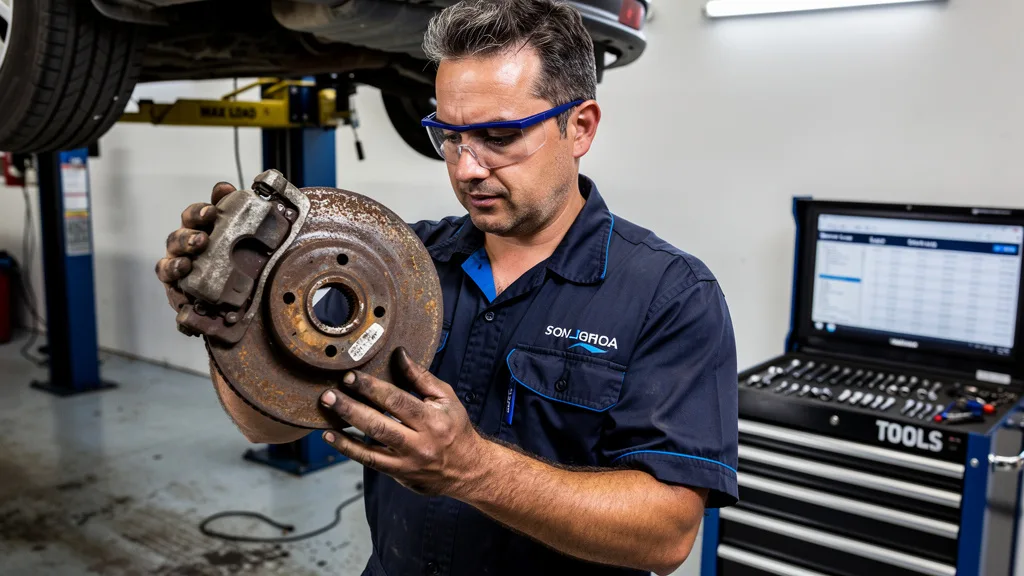
Furthermore, roads around Darwin and Palmerston often feature wildlife and can have unexpected hazards, requiring sudden braking. A compromised system, whether due to worn pads, contaminated fluid, or failing parts, simply won't perform when you need it most. Regular inspections by qualified car mechanics ensure that every part of the system is ready to handle these demanding conditions, giving you peace of mind every time you get behind the wheel.
"In Darwin's climate, we see brake fluid absorb moisture from the humid air much faster than in drier parts of the country. This can lead to a spongy pedal and reduced performance. It's why we emphasize regular fluid checks and system inspections for all our clients." - Certified Mechanic, MechanicDarwin
Warning Signs Your Brakes Need Immediate Attention
Your car will almost always give you warning signs before the brakes fail completely. Paying attention to these signals and acting on them promptly is essential for your safety. Ignoring these indicators can lead to more extensive and costly damage, and more importantly, put you at serious risk on the road. Learning to recognize these common symptoms will empower you to seek professional help before a minor issue becomes a major failure.
Unusual Noises When Applying the Brakes
One of the most common signs of brake trouble is noise. If you hear a high pitched squealing or screeching sound when you press the brake pedal, it's often the built in wear indicator on your brake pads telling you they are thin and need replacing. A deeper, harsher grinding noise is more serious, suggesting the brake pads have worn down completely and metal is grinding against metal. This can quickly damage your brake rotors, turning a simple pad replacement into a more expensive repair.
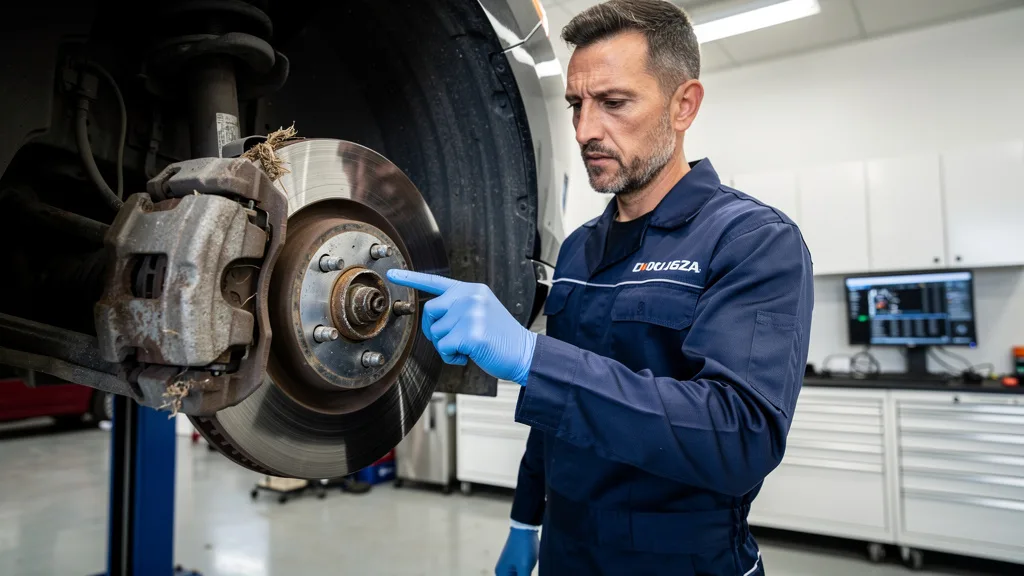
Clicks or thuds when braking can also indicate problems, such as a loose caliper or other worn hardware. Any new or unusual noise from your brakes warrants an immediate professional inspection. Our team can quickly diagnose the source of the sound and advise on the necessary repairs to ensure your vehicle is safe.
Changes in Brake Pedal Feel and Response
How your brake pedal feels under your foot is a direct indicator of your brake system's health. If the pedal feels soft, spongy, or sinks towards the floor with light pressure, it could be a sign of air or moisture in the hydraulic lines or a problem with the master cylinder. This is a serious safety concern as it significantly reduces braking power.
Conversely, a brake pedal that feels hard and requires more effort to press can also signal trouble, such as a problem with the power brake booster. If you feel a vibration or pulsing through the pedal or steering wheel when you brake, it's often caused by warped brake rotors. These issues compromise your control over the vehicle and should be addressed by a professional without delay.
Dashboard Warning Lights You Should Not Ignore
Modern vehicles are equipped with sophisticated warning systems to alert you to potential problems. Two key lights relate to your brakes: the Anti lock Braking System (ABS) warning light and the main brake warning light (often an exclamation mark inside a circle). If the ABS light comes on, it means the anti lock system has a fault and may not function in an emergency stop.
The main brake warning light can indicate several issues, from a low brake fluid level to a serious hydraulic system failure. In some cars, it also illuminates when the parking brake is engaged, so ensure it is fully released first. If either of these lights stays on while you are driving, it is a clear signal that your vehicle needs an immediate system inspection.
Visible Wear and Tear on Brake Components
You don't always need to be a mechanic to spot signs of brake wear. A visual inspection can sometimes reveal obvious problems. If you look at the brake caliper through your wheel spokes, you may be able to see the brake pad. If the friction material looks less than 6mm thick, it's likely time for a replacement.
Other visual clues include:
- Deep grooves or scoring on the surface of the brake rotor.
- Dark, discolored fluid in the brake fluid reservoir under the bonnet.
- Fluid leaks around the wheels or on the inside of the tires.
- Visible cracks or bulging in the rubber brake hoses.
If you notice any of these signs, it's crucial to have a professional technician perform a comprehensive check. We offer a convenient mobile mechanic service that can come to your home or workplace to assess the condition of your brakes.
The Risks of Delaying Brake Repairs in the Northern Territory
Postponing brake repairs is a gamble with potentially severe consequences. In the Northern Territory, where driving conditions can change rapidly, the risks associated with a faulty braking system are magnified. What might seem like a minor issue can quickly escalate, jeopardizing your safety and leading to significant legal and financial repercussions. Understanding these risks underscores why timely brake repairs are crucial for safety in Darwin.
Increased Stopping Distances
The most immediate danger of worn or faulty brakes is a significant increase in your vehicle's stopping distance. Worn brake pads and rotors have less friction and cannot dissipate heat as effectively, meaning it takes longer to slow down. During a Darwin downpour, this effect is compounded by wet roads. An extra few metres of stopping distance can be the difference between avoiding a collision and being involved in one.
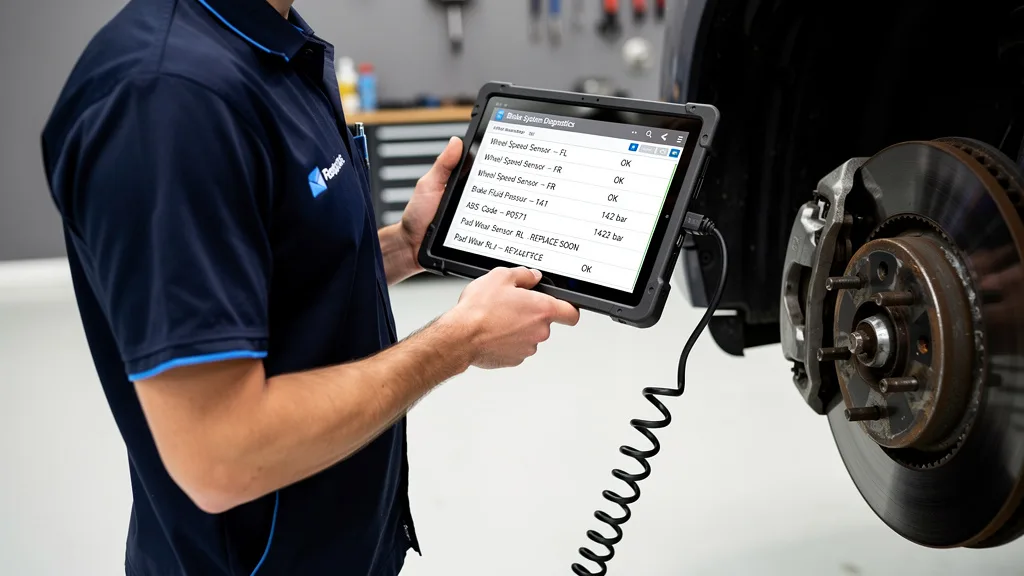
This reduced performance is not always gradual. A component like a failing brake hose or master cylinder can cause a sudden and dramatic loss of braking power. Regular maintenance ensures that your car stops as the manufacturer intended, providing a critical safety margin in emergency situations.
Potential for Complete Brake System Failure
The worst case scenario is a complete and total failure of the brake system. This can happen if brake fluid levels drop too low due to a leak, or if a critical hydraulic component like the master cylinder fails. When this occurs, pressing the brake pedal has little to no effect, leaving you with very few options to stop the vehicle safely.
While rare, this catastrophic failure is almost always preceded by the warning signs discussed earlier: strange noises, a spongy pedal, or dashboard lights. Delaying repairs means you are consciously driving a vehicle that is moving closer to this point of failure. The risk is simply not worth taking.
Legal and Financial Consequences
Driving a vehicle with defective brakes is not only unsafe, it can also be illegal. In the Northern Territory, vehicles must be roadworthy to be legally driven on public roads. If you are involved in an accident and your brakes are found to be faulty, you could face fines, demerit points, and even have your insurance claim denied. For more information, you can consult the NT government's guidelines on vehicle standards and inspections.
Financially, ignoring brake problems almost always costs more in the long run. A grinding brake pad that is not replaced will quickly destroy the brake rotor, and potentially the caliper. What could have been a straightforward and affordable brake pad replacement becomes a much more complex and expensive repair involving multiple components.
What to Expect During a Professional Brake Inspection
When you bring your vehicle to a professional for a brake inspection, you can expect a comprehensive evaluation of the entire system. A qualified technician will perform a series of checks to accurately diagnose any issues and ensure every component is functioning correctly. This process is designed to give you a clear picture of your brake system's health and provide recommendations to keep you safe on the road.
Thorough Check of Brake Pads and Rotors
The inspection begins with the primary wear components: the brake pads and rotors (or discs). A technician will remove the wheels to get a clear view. They will measure the thickness of the brake pads using a specialized gauge to determine their remaining lifespan. They will also inspect the surface of the rotors for signs of scoring, cracks, or warping (runout), which can cause vibrations and reduce effectiveness.
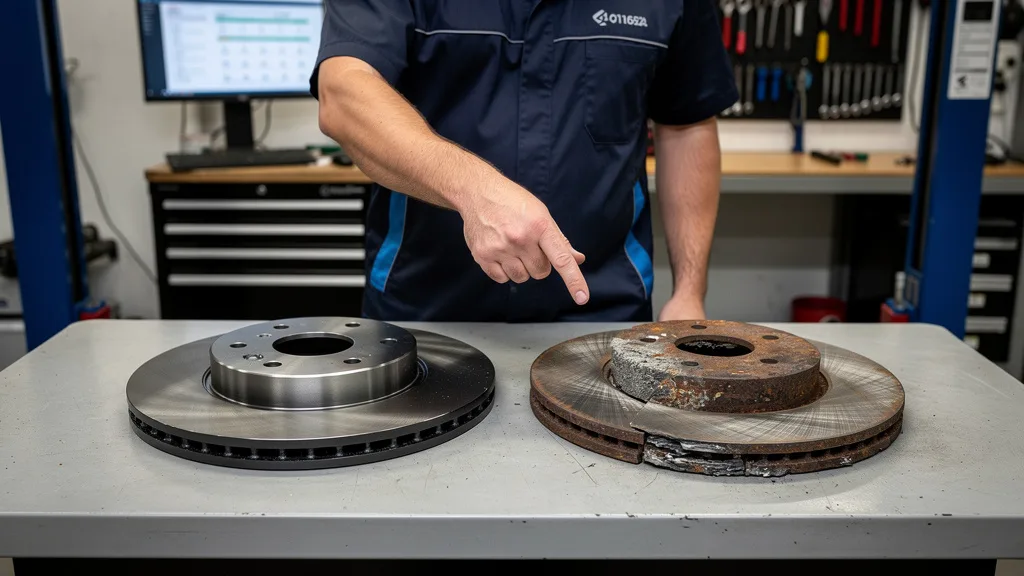
If your vehicle has drum brakes on the rear wheels, the technician will remove the drums to inspect the brake shoes and wheel cylinders. This detailed check ensures that the parts responsible for creating friction and stopping your car are in good condition.
Analysis of Brake Fluid and Hydraulic Lines
The hydraulic system is the lifeblood of your brakes. The technician will check the level and condition of the brake fluid in the master cylinder reservoir. Brake fluid is hygroscopic, meaning it absorbs moisture over time, which lowers its boiling point and can cause corrosion. The technician may use a tester to check for moisture content or contamination. Dark or murky fluid is a clear sign it needs to be flushed and replaced.
Following the fluid check, a visual inspection of all brake lines and hoses is conducted. The technician will look for any signs of cracking, bulging, rust, or leaks in the hydraulic lines that run from the master cylinder to each wheel. A leak in this system can lead to a dangerous loss of brake pressure.
Testing Overall Braking Performance
Finally, the technician will assess the overall performance of the brake system. This often includes a road test to feel how the brakes respond under real world conditions. They will listen for noises, feel for vibrations, and check if the vehicle pulls to one side when braking. They will also test the function of the parking brake and the ABS, if equipped. This holistic approach ensures that all parts of the system are working together correctly to provide safe, reliable stopping power.
A thorough inspection like this is a key part of our auto repair and mechanic services. We provide a clear, upfront report of our findings and a fixed quote for any necessary repairs.
Recommended Brake Maintenance Schedule for Darwin Drivers
Following a regular maintenance schedule is the best way to ensure your brakes remain in optimal condition, especially given Darwin's harsh climate. While your vehicle's manufacturer provides general guidelines, adjusting them for local conditions is wise. Humidity and heat can accelerate the degradation of brake fluid and other components.
We recommend a professional brake inspection at least once a year or every 10,000 to 15,000 kilometers. This allows a technician to catch wear and tear before it becomes a safety issue. For a more tailored plan, consider the advice in our guide on how often you should service your car in Darwin's climate.
Here is a general guide for brake maintenance that is well suited for drivers in the Northern Territory.
| Component/Service | Recommended Interval | Notes for Darwin Drivers |
|---|---|---|
| Brake System Inspection | Every 12 months or 15,000 km | Essential for spotting early signs of wear and fluid contamination. |
| Brake Fluid Flush | Every 24 months | Crucial in Darwin's high humidity to prevent moisture buildup and corrosion. |
| Brake Pad Replacement | 25,000 - 70,000 km | Varies greatly with driving style. Listen for squealing wear indicators. |
| Brake Rotor/Disc Machining or Replacement | 40,000 - 100,000 km | Replace or machine when replacing pads if they are worn, scored, or warped. |
| Brake Hose Inspection | Every 12 months | Check for cracks and brittleness caused by high heat and UV exposure. |
Key Takeaways
Maintaining your vehicle's brakes is a non negotiable aspect of road safety, especially in Darwin. By understanding the warning signs and adhering to a regular maintenance schedule, you can protect yourself and others on the road. Here are the most important points to remember:
- Listen and Feel: Pay close attention to unusual noises (squealing, grinding) and changes in pedal feel (spongy, vibrating). These are your car's early warnings.
- Don't Ignore Lights: The ABS and brake warning lights on your dashboard signal an immediate need for a professional inspection.
- Darwin's Climate Matters: High humidity and heat accelerate the wear of brake components, particularly brake fluid. Adjust your maintenance schedule accordingly.
- Prevention is Cheaper: Delaying repairs leads to more extensive damage, higher costs, and serious safety risks. Regular inspections save you money and can prevent accidents.
- Trust Professionals: A thorough brake system inspection by a qualified technician is the only way to be certain your vehicle is safe.
Frequently Asked Questions
How often is brake service recommended?
As a general rule, we recommend a comprehensive brake inspection at least once a year or every 15,000 kilometers, whichever comes first. However, this can vary based on your driving habits, vehicle type, and the conditions you drive in. For drivers in Darwin, an annual check is crucial to monitor the impact of humidity on your brake fluid and the overall system.
If you frequently drive in stop and go city traffic, tow heavy loads, or drive aggressively, you may need more frequent inspections. Always consult your vehicle's owner's manual for manufacturer specific recommendations and have your brakes checked immediately if you notice any warning signs.
Are copper brake lines illegal in Australia?
Copper brake lines are not strictly illegal in Australia, but they must comply with the Australian Design Rules (ADRs) for vehicle standards. The primary concern with pure copper is its susceptibility to work hardening and cracking from vibration. For this reason, most modern vehicles use double walled steel lines, which are much more durable and resistant to fatigue.
While some copper nickel alloys (like Kunifer) are designed for automotive use and offer excellent corrosion resistance, installation must be done correctly with proper flaring techniques. Due to the safety critical nature of brake lines, it is always best to use materials specified by the vehicle manufacturer and have any replacements performed by a licensed mechanic.
Is it recommended to service a car every 10,000 kilometers?
Servicing your car every 10,000 kilometers (or every 6 months) is a widely accepted industry standard and an excellent practice for maintaining vehicle health and safety, particularly in demanding climates like Darwin's. A regular general car service includes an oil change, filter replacements, and a comprehensive safety inspection covering tires, lights, suspension, and, importantly, the brakes.
This interval ensures that potential issues are identified and addressed early, preventing minor problems from turning into major, costly repairs. It keeps your vehicle running efficiently and reliably, and for brakes, it provides a regular opportunity for a professional to check pad wear and fluid condition before they become a safety hazard.
What is the 30/30/30 rule for brakes?
The 30/30/30 rule is an informal guideline or rule of thumb used within the auto repair industry, primarily for quoting brake jobs. It's not a rule for consumers or a technical specification. The rule generally breaks down as: it should take a technician about 30 seconds to inspect the brakes and identify the problem, 30 minutes to look up parts and labor to create a quote, and the job should ideally generate around $30 in profit.
This is a business metric for service advisors and workshop managers to quickly assess the efficiency and profitability of common brake repairs. It has no bearing on the technical aspects of the brake service itself or how you as a driver should maintain your vehicle. It is simply an internal industry benchmark for workflow.
Conclusion
Your safety, and the safety of everyone on Darwin's roads, depends on your vehicle's ability to stop effectively and reliably. Understanding the warning signs of brake wear and committing to regular, professional inspections are the most critical steps you can take to prevent brake failure. By being proactive, you not only avoid dangerous situations and costly emergency repairs but also ensure your vehicle is always ready for the unique challenges of driving in the Top End.
Don't wait for a warning sign to become an emergency. If you have any concerns about your brakes or are due for an inspection, our team of certified technicians is here to help. We provide honest advice and expert service for all makes and models across Darwin and Palmerston. Book a Service online today for peace of mind on the road.
Written by MechanicDarwin Technical Team
MechanicDarwin Trade-Qualified Technician
Trade-qualified technician at MechanicDarwin with extensive experience diagnosing and repairing vehicles under extreme Northern Territory conditions.