
Brake Fluid Change in Darwin: A Beginner's Guide for 2026
Your 2026 beginner's guide to brake fluid changes in Darwin. Learn when to change it, the costs, and a step by step DIY guide for Territory drivers.
MechanicDarwin Technical Team
MechanicDarwin Certified Technician

When was the last time you thought about your car's brake fluid? For many Darwin drivers, this critical component is often overlooked until a problem arises. Proper brake maintenance is non-negotiable for safe driving, especially in the challenging conditions of the Top End, from the high humidity of the wet season to the dry heat that follows. Understanding the basics of a brake fluid change can save you from costly repairs and, more importantly, ensure your vehicle stops reliably every time.
A A Beginner's Guide to Brake Fluid Changes in Darwin is essential because brake fluid is hygroscopic, meaning it absorbs moisture from the air over time. This water contamination lowers the fluid's boiling point, which can lead to a spongy brake pedal or complete brake failure under heavy use. For drivers in Darwin, regular changes every two years are recommended to maintain peak braking performance and prevent corrosion within the brake system.
Brake fluid is the lifeblood of your vehicle's hydraulic braking system. When you press the brake pedal, this fluid transmits the force from your foot to the brake calipers, which then clamp down on the rotors to slow your car. For this process to work effectively, the fluid must be incompressible. However, brake fluid is designed to absorb moisture from the atmosphere, a process accelerated by Darwin's high humidity. This absorbed water can have dangerous consequences for your vehicle's stopping power.
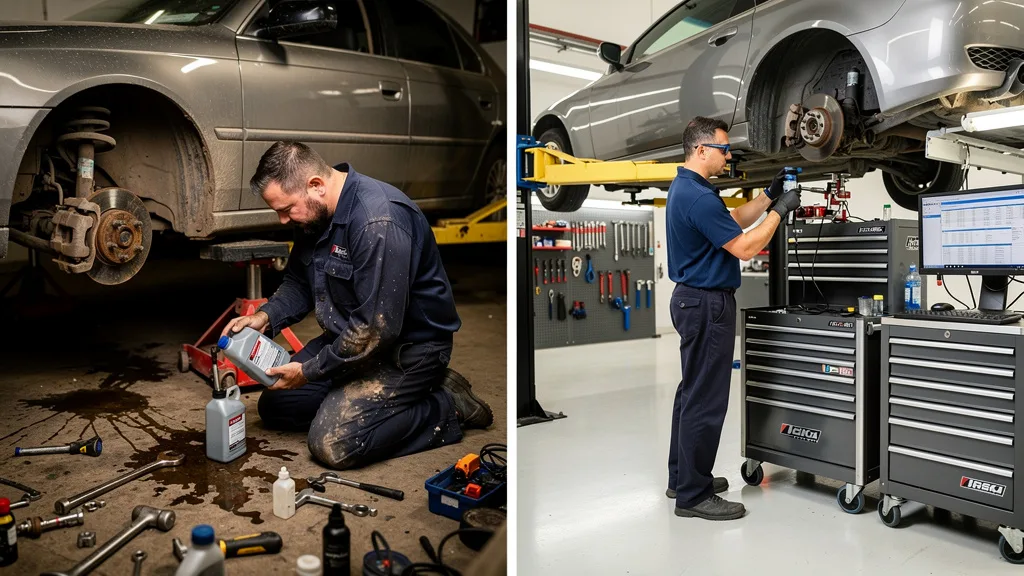
As water content increases, the boiling point of the brake fluid drops significantly. During heavy braking, such as descending a steep hill or making a sudden stop in city traffic, the heat generated can cause this water to boil and turn into compressible steam bubbles. This leads to a phenomenon known as brake fade, where the pedal feels soft or spongy and goes much closer to the floor. In severe cases, it can result in a complete loss of braking ability. Regular fluid changes ensure the fluid remains free of excess water, maintaining a high boiling point and reliable performance.
Beyond safety, neglecting your brake fluid can lead to expensive damage. The moisture absorbed by the fluid can cause corrosion and rust on internal brake components, including the master cylinder, brake lines, and calipers. This corrosion can lead to fluid leaks and component failure, resulting in far more complex and costly auto repair services than a simple fluid change. Proactive maintenance is key to preserving the integrity of your entire braking system.
Key Signs Your Brake Fluid Needs Replacing
Your vehicle provides several warning signs that its brake fluid may require attention. The most common symptom is a change in how the brake pedal feels. If the pedal feels soft, spongy, or sinks further to the floor than usual, it's a strong indication that there is air or moisture in the brake lines. This reduces the hydraulic pressure and compromises your ability to stop quickly and safely.
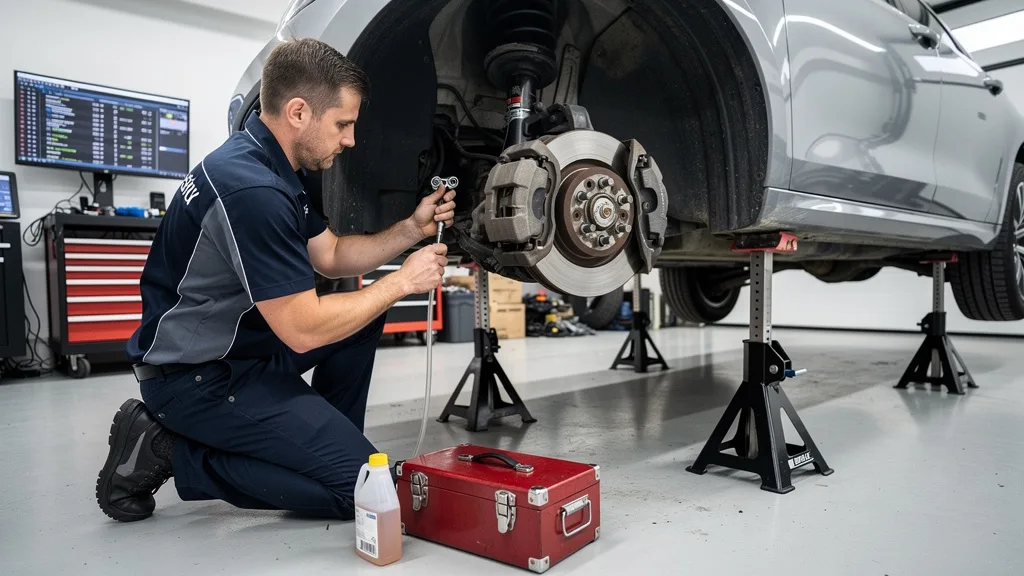
Visual inspection is another effective method. Fresh brake fluid is typically clear or has a slight amber tint. Over time, as it absorbs moisture and contaminants, it will turn dark brown or even black. You can check the fluid by locating the master cylinder reservoir in your engine bay, a small, often translucent plastic container near the driver's side firewall. If the fluid looks more like used motor oil than honey, it is well past its service life.
Finally, many modern vehicles are equipped with an Anti-lock Braking System (ABS) or traction control warning light on the dashboard. While these lights can indicate various issues, they can sometimes be triggered by problems related to low or contaminated brake fluid. If you notice any of these signs, it's crucial to have your brake system inspected by a qualified technician immediately to diagnose the issue correctly.
The general industry recommendation for a brake fluid change is every two years, regardless of the kilometres driven. This is because the primary reason for replacement is moisture contamination, which occurs over time, not based on usage. However, this interval can vary depending on your vehicle manufacturer's specifications, so it's always wise to consult your owner's manual for precise guidance.
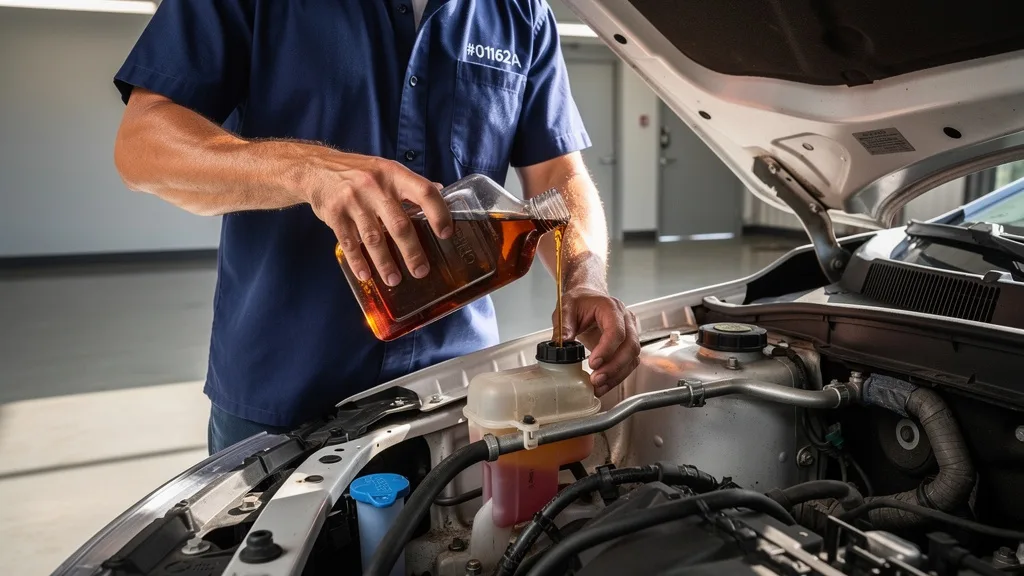
For drivers in the Northern Territory, environmental factors play a significant role. The high humidity characteristic of Darwin's climate can accelerate moisture absorption, potentially making more frequent checks necessary. If you frequently drive in demanding conditions, such as towing heavy loads or navigating the stop-and-go traffic of the wet season, your braking system works harder, generating more heat and placing greater stress on the fluid. This is a key consideration we discuss when advising on how often you should service your car in Darwin's climate.
Ultimately, sticking to a two-year schedule is a safe and reliable rule of thumb for most vehicles in Darwin. Integrating a brake fluid change into your regular car servicing Darwin schedule ensures it's never forgotten. A certified mechanic can also test the moisture content of your current fluid to determine if a change is needed sooner, providing peace of mind and ensuring optimal safety.
DIY vs. Professional: Can You Change Brake Fluid Yourself?
Deciding whether to change your brake fluid yourself or hire a professional depends on your mechanical experience, access to tools, and comfort level working on a critical safety system. A DIY brake fluid change can be a cost-effective option if you have the right equipment and knowledge. However, it is a task that leaves no room for error. Improperly bleeding the brakes can introduce air into the system, leading to a complete loss of braking power.
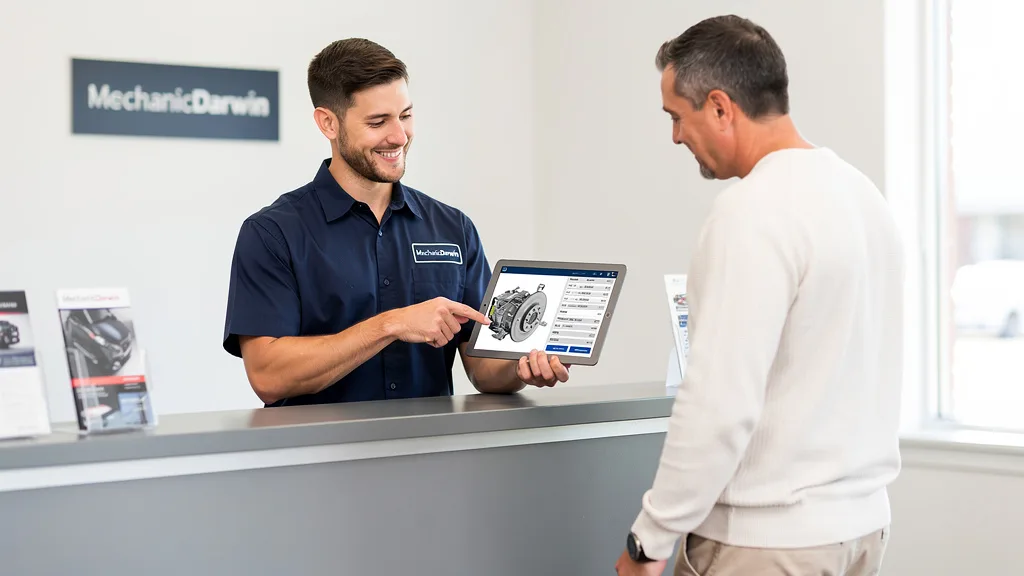
For the confident home mechanic, the process is manageable. For those less experienced, the risks often outweigh the potential savings. A professional service ensures the job is done correctly and safely. Technicians have the proper power bleeders and diagnostic tools to flush the entire system, including the ABS module, which can be difficult to bleed manually. They will also use the correct type of fluid for your vehicle and dispose of the old, hazardous fluid responsibly.
If you're unsure, it's always best to err on the side of caution. Our mobile mechanic service in Darwin can perform the service at your home or workplace, offering the convenience of a DIY job with the safety and assurance of professional expertise. This way, you can be certain your brakes are in perfect working order without the hassle or risk.
"In my years as a certified mechanic, I've seen the damage that old, contaminated brake fluid can cause. It's not just about a spongy pedal; it's about preventing component failure. A professional brake fluid flush isn't just maintenance, it's a critical safety procedure to protect you and your vehicle." - Lead Technician, MechanicDarwin signs your brakes need attention.
How to Change Brake Fluid: A Step-by-Step Guide
If you have decided to tackle the brake fluid change yourself, following a methodical process is crucial for success. This guide outlines the fundamental steps for a standard brake fluid replacement. Remember to always prioritize safety and consult your vehicle's service manual for any model-specific instructions before you begin. If at any point you feel uncertain, stop and contact a professional.
Step 1: Gather Your Tools and New Brake Fluid
Before starting, make sure you have everything you need. This includes a new, sealed bottle of the correct type of brake fluid for your vehicle (check your owner's manual for DOT 3, DOT 4, or DOT 5.1), a set of wrenches to fit the bleeder screws, a clear plastic tube that fits snugly over the bleeder screw, and a catch bottle or jar to collect the old fluid. You will also need a turkey baster or syringe to remove old fluid from the reservoir and plenty of rags or paper towels to clean up spills, as brake fluid can damage paint.
Step 2: Safely Lift and Secure Your Vehicle
You will need access to the bleeder screws located on the brake calipers at each wheel. Park your vehicle on a flat, level surface and engage the parking brake. Loosen the lug nuts on all four wheels before lifting the car. Using a hydraulic jack, lift one corner of the vehicle at a time and place a jack stand securely under the frame at the manufacturer's recommended lift point. Repeat for all four corners. Never work under a vehicle supported only by a jack.
Step 3: Locate the Master Cylinder and Remove Old Fluid
Open the hood and locate the brake fluid reservoir. It's usually a small, semi-transparent plastic tank near the back of the engine bay on the driver's side. Clean the top of the reservoir cap and the surrounding area thoroughly to prevent any dirt from falling in. Open the cap and use a turkey baster or syringe to remove as much of the old, dark fluid as possible from the reservoir. Be careful not to let the reservoir run completely dry during this process.
Step 4: Refill the Reservoir With Fresh Fluid
Once you have removed the old fluid, wipe out any sediment from the bottom of the reservoir with a clean, lint-free cloth. Then, carefully pour the new brake fluid from your sealed bottle into the reservoir, filling it up to the 'MAX' line. Place the cap back on loosely to prevent contaminants from entering but allow air to escape. Throughout the bleeding process, you must keep a close eye on the fluid level and top it off as needed. Letting the reservoir run dry will introduce air into the system, requiring you to start over.
Step 5: Bleed the Brakes at Each Wheel
The bleeding sequence is crucial. You typically start with the wheel furthest from the master cylinder and work your way closer. For most right-hand drive cars in Australia, the sequence is: left-rear, right-rear, left-front, right-front. Attach your clear plastic tube to the bleeder screw on the first wheel and place the other end in your catch bottle. Have a helper press and hold the brake pedal down. While the pedal is held, use your wrench to open the bleeder screw about a quarter turn. Old fluid and air bubbles will flow into the tube. Close the screw before your helper releases the pedal. Repeat this process until you see clean, new fluid with no air bubbles. Then move to the next wheel.
Step 6: Perform Final Checks and a Test Drive
After bleeding all four wheels, ensure all bleeder screws are tightened securely. Top off the brake fluid in the master cylinder to the 'MAX' line and tighten the cap. Reinstall the wheels and torque the lug nuts to the manufacturer's specification. Before driving, pump the brake pedal several times to ensure it feels firm and responsive. Start with a slow, cautious test drive in a safe area to confirm the brakes are working correctly. Check for any leaks around the bleeder screws.
Expected Cost of a Brake Fluid Change in Darwin for 2026
For drivers who prefer to leave this critical task to the professionals, understanding the expected cost is important. As of 2026, the cost for a professional brake fluid flush or change in the Darwin area typically ranges from $120 to $250. This price can vary depending on the type of vehicle, the specific type of brake fluid required, and the labour rates of the workshop. European cars or vehicles with complex ABS systems may fall at the higher end of this range.
This cost covers the price of the new, high-quality brake fluid, the labour involved in flushing the old fluid from the entire system, and the environmentally safe disposal of the old fluid. Many workshops, including ours, offer this as a standalone service or as part of a major easy guide to brake fluid change package. It's always best to request a fixed quote upfront to avoid surprises. This investment is minimal compared to the potential cost of repairing a corroded brake system or the invaluable price of safety.
| Vehicle Type | Estimated Cost Range | Notes |
|---|---|---|
| Standard Passenger Car (e.g., Sedan, Hatchback) | $120 - $180 | Uses common DOT 3 or DOT 4 fluid. |
| 4WD or SUV | $150 - $220 | May require more fluid and time. |
| European or Performance Vehicle | $180 - $250+ | Often requires specific high-performance fluid (e.g., DOT 4 LV, DOT 5.1). |
Key Takeaways
Navigating the requirements of vehicle maintenance can seem complex, but understanding the essentials of a brake fluid change puts you in control of your car's safety. Here are the most important points to remember from this guide:
- Moisture is the Enemy: Brake fluid absorbs water from the air, which lowers its boiling point and can lead to brake failure. This is especially relevant in Darwin's humid climate.
- Two-Year Rule: Plan to change your brake fluid every two years as a standard preventative measure, or as specified by your car's manufacturer.
- Watch for Signs: A spongy brake pedal, dark or cloudy fluid in the reservoir, or a dashboard warning light are all indicators that your fluid needs immediate attention.
- DIY vs. Pro: While a DIY change is possible for experienced home mechanics, professional service from certified mechanics guarantees the job is done safely and correctly, especially for cars with ABS.
- Cost-Effective Safety: The cost of a professional brake fluid change in Darwin is a small price to pay for ensuring your vehicle's most critical safety system is in perfect working order.
Frequently Asked Questions
What type of brake fluid does my car need?
The correct type of brake fluid for your vehicle is specified by the manufacturer and can usually be found in your owner's manual or printed on the cap of the master cylinder reservoir. The most common types are DOT 3, DOT 4, and DOT 5.1, which are all glycol-based. DOT 5 is silicone-based and should never be mixed with the others.
Using the wrong type can cause serious damage to your brake system's seals and components. DOT 4 has a higher boiling point than DOT 3 and can often be used as an upgrade, but you should never downgrade from DOT 4 to DOT 3. If you're ever in doubt, our team of certified mechanics can confirm the correct fluid for your car.
What is the difference between a brake fluid change and a flush?
These terms are often used interchangeably, but there can be a subtle difference. A simple brake fluid 'change' might just involve removing the fluid from the master cylinder reservoir and refilling it, which leaves old, contaminated fluid in the brake lines and calipers. This is an incomplete and ineffective service.
A proper fluid flush, which is the service professionals provide, involves pushing all of the old fluid out of the entire system, including the lines and calipers, and replacing it with new fluid. This is done by bleeding the brakes at each wheel until clean fluid emerges, ensuring the entire system is free of moisture and contaminants. Always confirm you are getting a full flush.
Can old brake fluid damage my car's brake system?
Yes, absolutely. The moisture that old brake fluid absorbs is highly corrosive to the metal components within your brake system. This can cause rust and pitting on the inside of your brake lines, calipers, wheel cylinders, and the expensive master cylinder and ABS control module.
This corrosion can lead to component seizure, brake fluid leaks, and eventual failure of these parts. The cost of replacing these components is significantly higher than the cost of regular brake fluid flushes. Proactive maintenance is the best way to prevent this long-term damage and ensure the longevity of your brake system.
How long does a professional brake fluid service take?
A professional brake fluid flush is a relatively quick service. For most standard passenger cars and 4WDs, the process typically takes between 30 to 60 minutes. The service is performed by a qualified technician using specialized equipment like a pressure bleeder to ensure all old fluid is removed efficiently.
At MechanicDarwin, we pride ourselves on efficient and thorough service. We can perform a complete car brake service in Darwin, including a fluid flush, while you wait or as part of a larger scheduled maintenance. We offer same-week bookings to get you back on the road safely and quickly.
Is it safe to mix different types of brake fluid?
It is generally unsafe and not recommended to mix different types of brake fluid. While glycol-based fluids like DOT 3, DOT 4, and DOT 5.1 are technically compatible, mixing them can degrade their performance. For example, adding DOT 3 to a DOT 4 system will lower the boiling point of the entire mixture, negating the benefits of the higher-spec fluid.
Most critically, you must never mix silicone-based DOT 5 fluid with any glycol-based fluid (DOT 3, 4, or 5.1). This will cause the fluid to gel and can lead to complete brake system failure. Always stick to the specific type recommended by your vehicle's manufacturer or consult a professional for advice on potential upgrades.
Conclusion
Mastering the basics of your vehicle's braking system is a powerful step toward becoming a more confident and responsible car owner. This guide to brake fluid changes in Darwin for 2026 has shown that regular fluid replacement is not just a recommendation; it's a fundamental safety requirement. By recognizing the signs of old fluid and adhering to a two-year service schedule, you protect your vehicle from costly corrosion and ensure it stops reliably when you need it most. Your next step is to check your records and decide if it's time for an inspection.
Don't leave your safety to chance. If your brake pedal feels spongy, your fluid looks dark, or it's been over two years, it's time for a professional brake fluid flush. Our certified technicians in Darwin and Palmerston are ready to help with honest advice and upfront pricing. Book a Service online today for peace of mind on the road.
Written by MechanicDarwin Technical Team
MechanicDarwin Trade-Qualified Technician
Trade-qualified technician at MechanicDarwin with extensive experience diagnosing and repairing vehicles under extreme Northern Territory conditions.