
Brake Fluid Change: Why It Matters for Darwin Drivers
Regular brake fluid changes are crucial for safety in Darwin's climate. Learn why this service matters in 2026, when to do it, and how to avoid costly mistakes.
MechanicDarwin Technical Team
MechanicDarwin Certified Technician

When was the last time you thought about the fluid in your brake lines? For many Darwin drivers, the answer is never, but this simple oversight could seriously compromise your safety on the road, especially during the wet season. Understanding the role of this vital fluid is the first step toward safer, more reliable braking performance.
A brake fluid change, also known as a brake fluid flush, is a critical maintenance task that involves removing all old, moisture-contaminated fluid from your braking system and replacing it with fresh, new fluid. This service is especially important for drivers in Darwin, where high humidity accelerates fluid contamination. Neglecting this can lead to reduced braking power, corrosion of expensive components, and even complete brake failure in demanding situations.
Brake fluid is a specialized hydraulic fluid that transmits the force from your foot on the brake pedal to the brake calipers at the wheels, ultimately slowing or stopping your car. It operates under high pressure and high temperatures. Without it, your braking system simply wouldn't work. Over time, however, this fluid degrades and loses its effectiveness, necessitating a replacement.
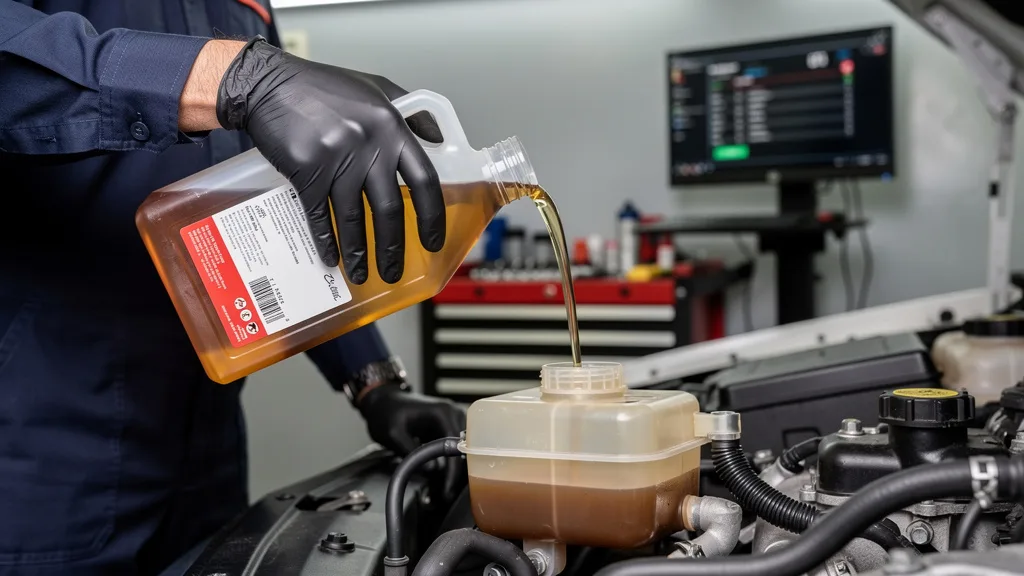
A Brake Fluid Change: Why It Matters for Darwin Drivers is a service procedure where a mechanic drains the old fluid from the master cylinder, brake lines, and calipers. The entire system is then flushed and filled with new fluid that meets your vehicle manufacturer's specifications. The final step involves bleeding the brakes to remove any trapped air bubbles, ensuring a firm and responsive brake pedal. This is far more effective than simply topping up the reservoir, which leaves the contaminated fluid in the most critical parts of the system.
The primary reason brake fluid needs changing is that most types are hygroscopic, meaning they actively absorb moisture from the surrounding air. In a place like Darwin, with its tropical climate and distinct wet season, the rate of moisture absorption is significantly higher than in drier regions. As of 2026, with modern vehicles relying on complex anti-lock braking (ABS) and electronic stability control (ESC) systems, clean fluid is more critical than ever. 5 Signs Your Brakes Need Attention.
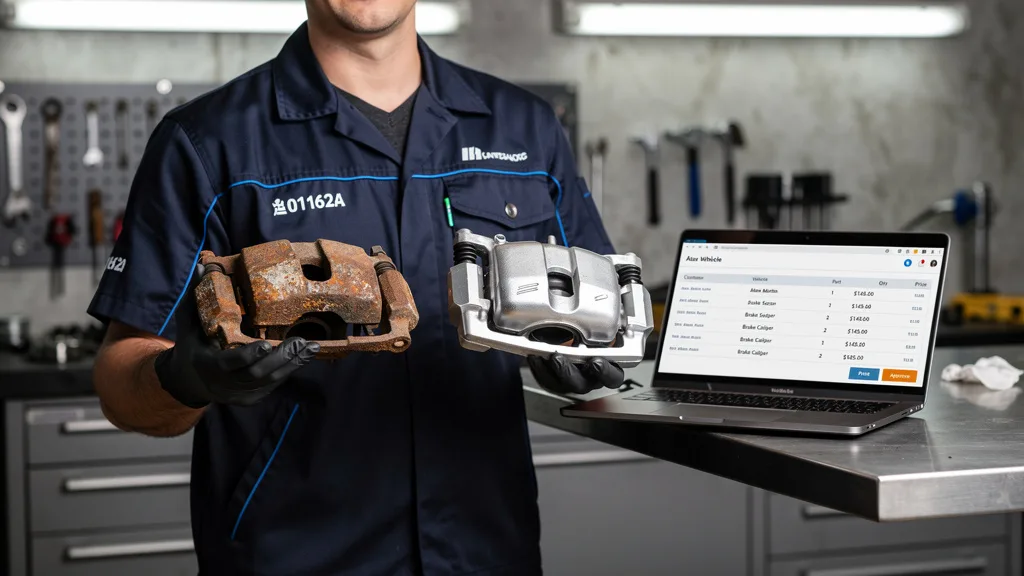
When water contaminates brake fluid, it drastically lowers its boiling point. The heat generated during heavy braking can cause this water to turn into steam, creating compressible bubbles in the brake lines. This leads to a soft, spongy brake pedal and a dangerous loss of braking power known as brake fade. Furthermore, moisture promotes internal corrosion of brake lines, calipers, and sensitive ABS control modules, leading to expensive repairs. Regularly preparing your vehicle for the wet season must include checking your brake fluid.
How to Get Started with Brake Fluid Change
The first step is to consult your vehicle's owner's manual. It will specify the recommended type of brake fluid (e.g., DOT 3, DOT 4, DOT 5.1) and the service interval, which is typically every two years for most vehicles. Given Darwin's climate, adhering to this schedule is a minimum safety requirement. You can have the fluid's condition checked during any routine auto repair and mechanic services.
While some experienced home mechanics may attempt a brake fluid change, it is a task best left to professionals. A professional service uses specialized equipment like pressure bleeders to ensure every drop of old fluid and any trapped air is removed from the system. This is especially important for vehicles with ABS, which can be complex to bleed correctly without the right tools. A technician will inspect the entire braking system for leaks or wear, providing peace of mind that your car is safe.
"In Darwin's climate, we see the impact of humidity on braking systems daily. A scheduled brake fluid change isn't just maintenance; it's a critical safety measure to prevent brake fade and internal corrosion. Don't wait for a spongy pedal."
Best Practices for Brake Fluid Change
Following best practices ensures the longevity and safety of your braking system. The most crucial practice is adhering to a regular service schedule. While your manual provides a baseline, Darwin's harsh conditions may warrant more frequent checks. A qualified mechanic can test the moisture content of your fluid to give you a precise assessment. 5 Signs Your Brakes Need Attention.
Using the correct type of fluid is non-negotiable. Using an incorrect fluid type can damage seals and compromise the performance of ABS and ESC systems. Additionally, it is vital to use fluid from a new, sealed container. Once a bottle is opened, the fluid immediately begins absorbing moisture from the air, reducing its lifespan. A professional service will always use fresh fluid to guarantee optimal performance. Knowing how often to service your car is key to staying ahead of issues like this.
Recommended Brake Fluid Service Intervals in Darwin
| Vehicle Age | Typical Driving Conditions | Recommended Interval |
|---|---|---|
| 0-5 Years | City and Highway | Every 24 months |
| 5+ Years | City and Highway | Every 18-24 months |
| All Ages | Frequent Towing or Off-Road | Every 12 months or as needed |
| All Ages | High-Performance Vehicles | Every 12 months or per manufacturer |
Common Mistakes to Avoid
Several common mistakes can undermine the safety and effectiveness of your braking system. One of the most frequent is simply ignoring the service interval altogether, allowing moisture levels to reach dangerous heights. Another is confusing a fluid top-up with a fluid change. Adding a small amount of new fluid to the reservoir does nothing to remove the contaminated fluid already circulating in the lines and calipers.
To ensure your vehicle's safety, avoid these common errors:
- Using the Wrong Fluid: Always match the DOT rating specified in your owner's manual. Mixing different types can cause system failure.
- Introducing Air into the System: If the master cylinder runs dry during the process, air can enter the lines, requiring a thorough and often difficult bleeding procedure.
- Spilling Fluid on Paint: Brake fluid is highly corrosive and can strip your car's paint. Any spills should be cleaned immediately with soap and water. For more information on the properties of brake fluid, you can consult educational resources like HowStuffWorks.
- Leaving the Container Open: Never use fluid from a bottle that has been open for an extended period, as it will have already absorbed moisture from the atmosphere.
Key Takeaways
Maintaining your vehicle's braking system is a top priority for any responsible driver. For those in Darwin, the unique climate adds an extra layer of urgency to specific tasks like the brake fluid change. Keeping your car safe involves understanding these key points from a regular car servicing schedule.
- Darwin's Humidity is the Enemy: The high humidity in the Top End accelerates moisture absorption in your brake fluid, making regular changes more critical here than in other parts of Australia.
- Safety First: Contaminated fluid can lead to brake fade and potential brake failure. A fluid change every two years is a vital safety procedure.
- Prevent Costly Repairs: Moisture in the brake lines causes corrosion, which can damage expensive components like ABS modules and brake calipers.
- Use the Right Fluid: Always adhere to the manufacturer's specified DOT rating to ensure compatibility and performance.
- Professional Service is Best: A professional flush and bleed guarantees that all old fluid and air bubbles are removed, restoring your brake pedal's firm feel and responsiveness. This is supported by road safety advocates like the Australian Road Safety Foundation who promote proper vehicle maintenance.
Conclusion
The importance of a regular brake fluid change for Darwin drivers cannot be overstated. It is a fundamental aspect of vehicle maintenance that directly impacts your ability to stop safely and reliably. In the humid, demanding climate of the Top End, the hygroscopic nature of brake fluid means it degrades faster, putting you at greater risk of brake fade and component corrosion if neglected. This is not just about performance; it is about the safety of you, your passengers, and others on the road.
The key takeaways are clear: adhere to a two-year service interval, always use the correct fluid type, and understand that a full flush is vastly superior to a simple top-up. By entrusting this job to a professional mechanic, you ensure the task is done correctly, protecting the complex components of modern braking systems and giving you confidence every time you press the pedal.
If you're unsure about your brake fluid's condition or it's been over two years since its last service, don't leave it to chance. Our expert mechanics can test your fluid and perform a complete flush to ensure your vehicle is safe for Darwin's roads. Protect your investment and your safety with professional care.
If you want help turning this into a concrete plan for your site or team, take the next step below — it is the fastest way to move from reading about Brake Fluid Change: Why It Matters for Darwin Drivers to applying it with confidence.
Ready to act on Brake Fluid Change: Why It Matters for Darwin Drivers? Book a Service — tell us your goal, and we will help you pick the highest-leverage next step so you are not guessing alone.
Written by MechanicDarwin Technical Team
MechanicDarwin Trade-Qualified Technician
Trade-qualified technician at MechanicDarwin with extensive experience diagnosing and repairing vehicles under extreme Northern Territory conditions.