
Beginner's Guide to Car Servicing in Darwin
New to car ownership? Our beginner's guide to car servicing in Darwin covers everything you need to know, from basic checks to choosing a trusted mechanic for.
MechanicDarwin Technical Team
MechanicDarwin Certified Technician

Is your car truly ready for Darwin's demanding roads and unpredictable weather? Understanding the basics of car servicing is the first step towards ensuring your vehicle is safe, reliable, and cost-effective to run. This guide is designed for beginners who want to feel more confident about vehicle ownership in the Top End.
A beginner's guide to car servicing in Darwin is your starting point for understanding vehicle maintenance. It involves a series of checks and component replacements performed at set intervals to keep your car running efficiently and safely. In Darwin's unique climate, regular servicing is not just a recommendation; it's essential for preventing premature wear on crucial parts like batteries, tyres, and engine cooling systems. While you can perform basic checks at home, a professional mechanic handles the complex tasks that ensure long-term vehicle health.
Why Regular Car Servicing Is Essential in Darwin
Regular car servicing is one of the most important responsibilities of vehicle ownership, especially in a place like Darwin. The Top End's extreme heat and high humidity during the wet season can accelerate the degradation of engine fluids, rubber belts, hoses, and battery life. Without routine checks, these components can fail unexpectedly, leaving you stranded and facing potentially expensive repairs. Sticking to a consistent schedule helps catch these issues before they become major problems.
"Think of regular car servicing as preventative medicine for your vehicle. In 2026, with Darwin's challenging conditions, catching a small issue early is the smartest way to avoid a major, costly breakdown later on. It's the key to reliability and peace of mind on the road."
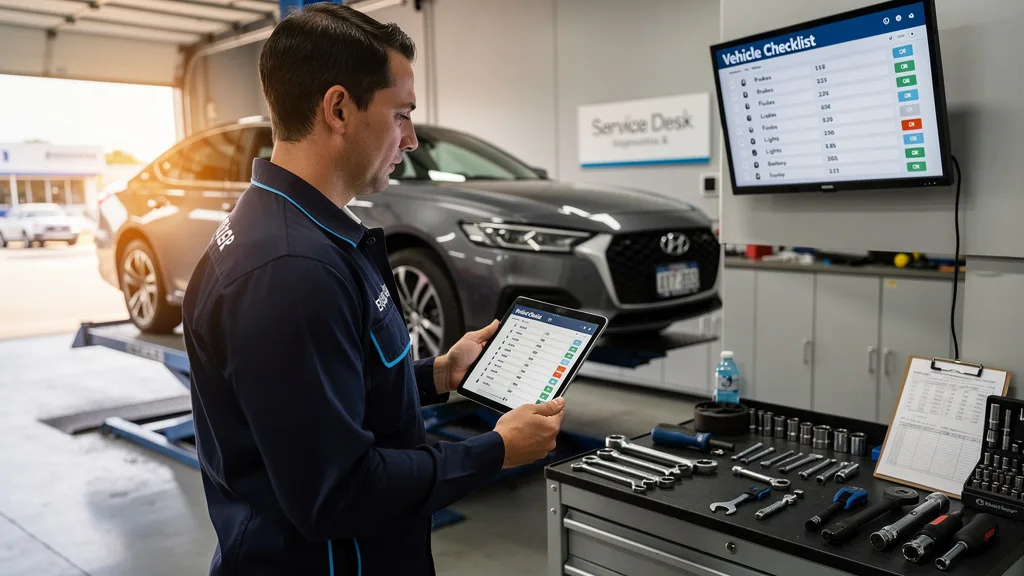
Beyond preventing breakdowns, consistent maintenance offers significant financial benefits. A well-maintained engine operates more efficiently, improving your fuel economy and saving you money at the pump. Furthermore, having a complete service history from a reputable service centre significantly increases your car's resale value. When it comes time to sell, a documented history proves the vehicle has been cared for, making it a much more attractive purchase. You can learn more about how often you should service your car in Darwin's climate to create the perfect schedule.
Professional Servicing vs. DIY Car Maintenance
Understanding the difference between tasks you can handle yourself and those best left to a professional is key to responsible car ownership. DIY maintenance is a great way to familiarize yourself with your vehicle and save money on simple jobs. These are typically visual checks and minor top-ups that don't require specialized tools or extensive knowledge. They empower you to monitor your car's health between professional services.
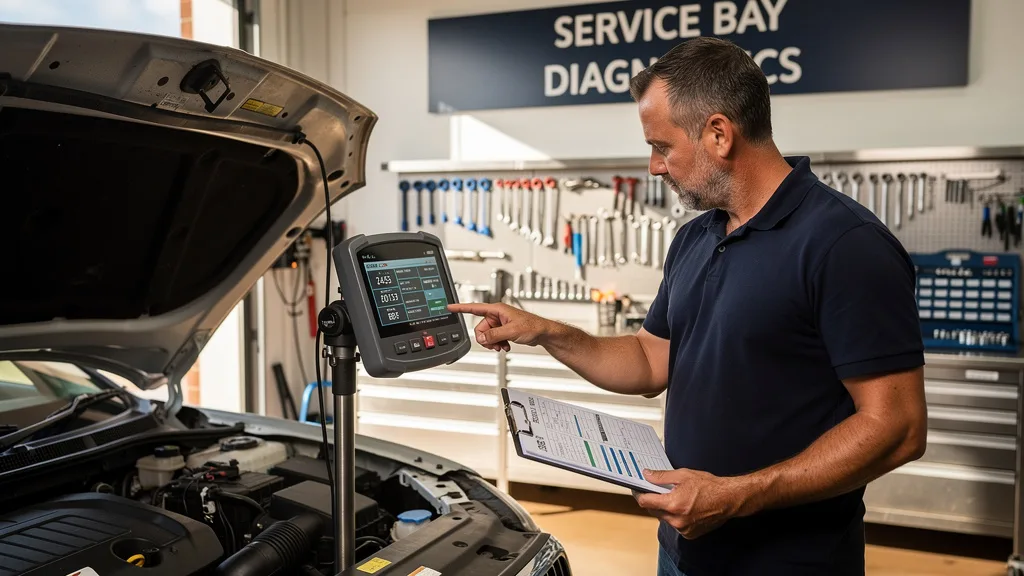
On the other hand, professional servicing involves complex systems that are critical to your safety. A qualified mechanic has the diagnostic equipment, specialized tools, and hands-on experience to work on brakes, suspension, engine components, and electrical systems. Attempting these repairs without proper training can lead to incorrect installations, further damage, or even accidents. Knowing when to call a professional ensures the job is done right and your vehicle remains safe to drive. Sometimes the choice is also about convenience, which is why understanding the difference between a mobile mechanic vs. a workshop visit can be helpful.
| Task Category | DIY Home Checks | Professional Mechanic Service |
|---|---|---|
| Fluids | Checking and topping up engine oil, coolant, and washer fluid. | Full oil and filter change, brake fluid flush, transmission fluid service. |
| Tyres | Checking tyre pressure and tread depth. | Tyre rotation, wheel balancing, wheel alignment, puncture repair. |
| Brakes | Visually checking brake fluid level. Listening for strange noises. | Inspecting/replacing brake pads and rotors, diagnosing braking system faults. |
| Engine | Listening for unusual sounds. | Replacing spark plugs, air/fuel filters, timing belts, engine diagnostics. |
| Electrical | Checking headlights, indicators, and brake lights. | Battery load testing, diagnosing wiring faults, air conditioning regas. |
When to See a Professional Mechanic
While DIY checks are useful, there are clear signs that your car needs the attention of a qualified technician. The most obvious indicator is a warning light on your dashboard. Lights like the 'Check Engine', oil pressure, or battery symbol are your car's way of telling you something is wrong and requires immediate investigation with diagnostic tools.
You should also book a service if you notice any changes in your car's performance or behaviour. This includes strange noises like squealing, grinding, or knocking, as well as vibrations or a pulling sensation through the steering wheel. A sudden drop in fuel efficiency, difficulty starting, or visible fluid leaks under your car are all clear signals that it's time to consult a professional.
What You Can Check Yourself at Home
Performing a few simple checks at home every month can help you stay on top of your car's condition. These tasks require minimal tools and can be completed in just a few minutes. Start by checking your fluid levels, including engine oil, coolant, and windscreen washer fluid. Most of these have clear markings on their reservoirs or dipsticks to show you the correct level.
Next, conduct a quick visual inspection of your tyres. Look for any obvious signs of damage and check the pressure using a simple gauge. You should also test all your exterior lights, including headlights, brake lights, and indicators, to ensure they are working correctly. Finally, check the condition of your wiper blades to make sure they clear the windscreen effectively, which is especially important for visibility during the wet season.
What a Full Car Service Checklist Includes
When you take your car to a workshop for a full service, the mechanic performs a comprehensive set of checks that go far beyond basic DIY maintenance. This professional car maintenance checklist is designed to inspect every key system of your vehicle to ensure it is operating safely and efficiently. The goal is to replace worn components, replenish essential fluids, and identify any developing problems.
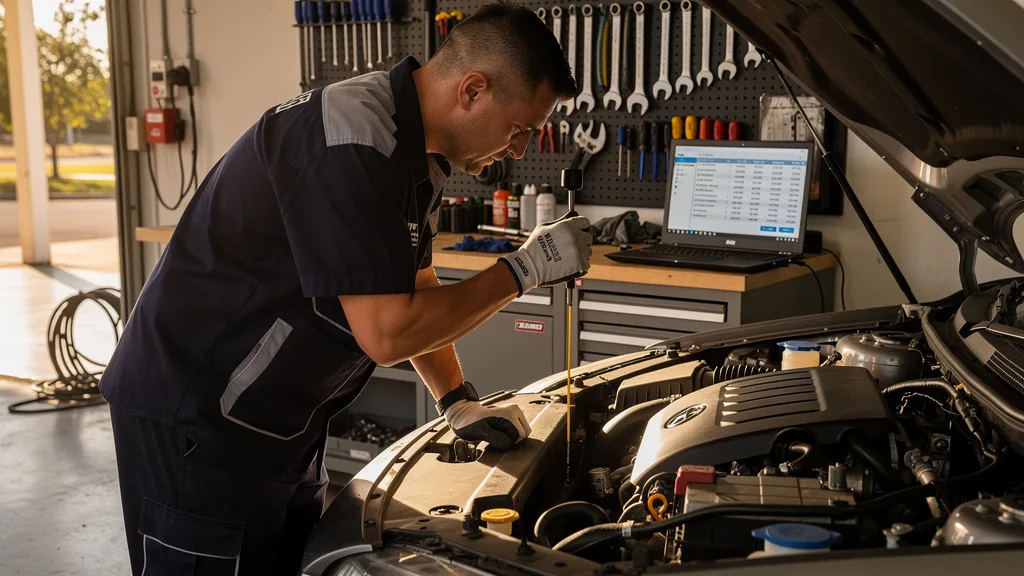
A thorough service provides a complete health report for your car, giving you confidence that it's in top condition. These checks are typically guided by the manufacturer's handbook servicing schedule, ensuring that work is completed at the correct intervals to maintain your vehicle's warranty and performance. A professional car servicing in Darwin will cover all the critical points your vehicle needs.
Engine Components and Fluids
The engine is the heart of your car, and it receives significant attention during a full service. The most fundamental task is changing the engine oil and replacing the oil filter. Fresh oil is vital for lubricating moving parts, reducing friction, and carrying away heat and contaminants. The mechanic will also inspect or replace the air filter, which prevents dust and debris from entering the engine, and the fuel filter, which ensures a clean fuel supply.
Other critical engine checks include inspecting the spark plugs, which are essential for ignition, and examining all belts and hoses for cracks, fraying, or leaks. In Darwin's heat, rubber components can perish quickly, so this check is particularly important. Finally, the cooling system, including the radiator and coolant levels, is inspected to ensure the engine can operate at its optimal temperature without overheating.
Brake Systems and Tyres
Your brakes and tyres are your car's most important safety features, and they are meticulously inspected during a service. A mechanic will check the thickness of your brake pads and the condition of the brake rotors, looking for signs of wear or warping. They will also check the brake fluid level and condition, as old fluid can absorb moisture and reduce braking performance.
For the tyres, the inspection goes beyond a simple pressure check. The mechanic will measure the tread depth across all tyres to ensure they provide adequate grip, especially in wet conditions. They will also look for uneven wear patterns, which can indicate an issue with wheel alignment. As part of a comprehensive service, tyres are often rotated to promote even wear and extend their lifespan. If you notice any issues between services, it's wise to read up on the signs your brakes need attention.
Lights, Wipers, and Electrical Systems
A full service includes a thorough check of all electrical components to ensure they function correctly. This starts with a test of every exterior light, including headlights (both high and low beam), indicators, brake lights, and reverse lights. Proper lighting is a legal requirement and is critical for your visibility and the ability of other drivers to see you.
The health of your car's battery is also assessed. A mechanic will clean any corrosion from the battery terminals and perform a load test to determine its ability to hold a charge. This can predict an impending battery failure before it leaves you stranded. Finally, the wiper blades are inspected for wear and tear, and the windscreen washer system is tested to ensure it works effectively.
Suspension, Steering, and Exhaust
The components that ensure a smooth and controlled ride are also examined. The mechanic will inspect the suspension system, including the shock absorbers and struts, for any signs of fluid leaks or damage. Worn suspension can lead to a bumpy ride, poor handling, and increased braking distances.
The steering system is checked for responsiveness and to ensure there is no excessive play or unusual noises when turning the wheel. The exhaust system is also inspected from the engine to the tailpipe, looking for any leaks, rust, or damage. A leaking exhaust can be noisy and allow harmful fumes to enter the cabin, making this a critical safety check.
Basic Car Maintenance Tips for Beginners
Learning a few basic car maintenance tasks is an empowering step for any new driver. These simple checks don't require you to be a mechanical expert but can make a huge difference in your car's reliability and your own confidence. Think of these as a monthly health check-up for your vehicle that you can perform right in your driveway.
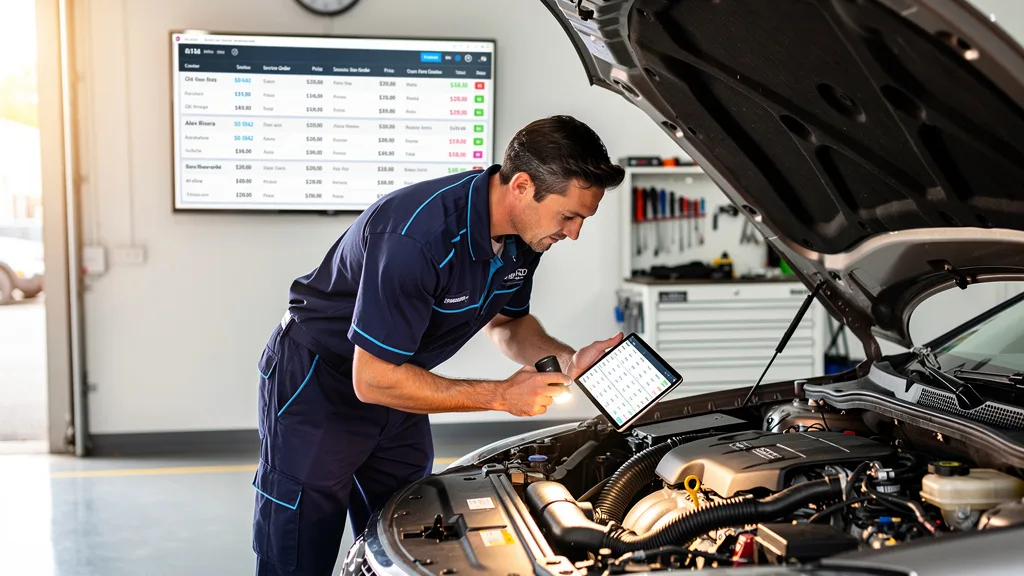
By regularly monitoring these key areas, you'll become more familiar with your car's normal operation. This makes it easier to spot when something is amiss, allowing you to address small issues before they escalate. The following tips will guide you through the most important checks you can do yourself.
How to Check and Top Up Engine Oil
Checking your engine oil is one of the easiest and most important maintenance tasks. First, ensure your car is parked on level ground and the engine has been off for at least ten minutes to allow the oil to settle. Locate the oil dipstick, which usually has a brightly coloured handle, pull it out, and wipe it clean with a cloth or paper towel.
Re-insert the dipstick fully, then pull it out again to check the level. The oil mark should be between the 'MIN' and 'MAX' lines. If it's low, you can add a small amount of the correct type of oil (as specified in your owner's manual) through the oil filler cap. Add a little at a time and recheck the level to avoid overfilling.
Inspecting Tyre Pressure and Tread Depth
Properly inflated tyres are crucial for safety, fuel efficiency, and handling. You can check the pressure with a simple tyre pressure gauge, which is an inexpensive tool available at any auto parts store. The recommended pressure is usually listed on a sticker inside the driver's door jamb. Check the pressure when the tyres are cold for an accurate reading.
To check tread depth, look for the small raised bars, called tread wear indicators, located in the main grooves of the tyre. If the tread is level with these bars, the tyre needs replacing. You can also use a 20-cent coin; if the tread doesn't reach the platypus's bill, it's time for new tyres.
Testing Your Battery and Exterior Lights
A quick visual inspection of your car battery can help prevent starting issues. Look at the terminals where the cables connect. If you see a white or bluish powdery substance, this is corrosion that can be cleaned off with a wire brush. Ensure the cable connections are tight and not loose.
To test your lights, simply turn on the ignition and switch on all your lights. Walk around the vehicle to check that the headlights (high and low beam), tail lights, and indicators are all working. Ask a friend to stand behind the car and confirm that the brake lights illuminate when you press the brake pedal.
Checking Other Essential Fluids
Besides engine oil, there are a few other fluids you can easily monitor. The engine coolant, which prevents your engine from overheating, is typically stored in a translucent plastic reservoir in the engine bay. You can check its level against the 'MIN' and 'MAX' lines without opening the cap.
The brake fluid reservoir is also usually translucent and has level markings. It's critical that this fluid is not low. Lastly, the windscreen washer fluid is simple to check and top up. Keeping this full ensures you can always clear your windscreen for safe visibility, which is essential during dusty build-ups or sudden downpours.
Common Mistakes That Can Cause Damage to Your Car
While modern cars are more reliable than ever, certain habits can lead to premature wear and costly damage. Avoiding these common mistakes is just as important as performing regular maintenance. Being a proactive owner means understanding what not to do.
Many of these errors stem from simple neglect or misunderstanding the importance of a warning sign. By paying attention to your vehicle and addressing issues promptly, you can significantly extend its lifespan and avoid the inconvenience of an unexpected breakdown. Here are some of the most damaging mistakes to avoid.
Ignoring Dashboard Warning Lights
Dashboard warning lights are your car's primary communication system, and they should never be ignored. A light like the 'Check Engine' symbol can indicate a wide range of issues, from a loose fuel cap to a serious engine misfire. While it may not always be an emergency, it always warrants a professional diagnosis.
More critical lights, such as the oil pressure warning (an oil can symbol) or the temperature warning (a thermometer symbol), signal an urgent problem that could cause severe engine damage if you continue to drive. If you see one of these, pull over safely as soon as possible and turn off the engine.
Skipping Scheduled Oil Changes
One of the most destructive mistakes a car owner can make is skipping scheduled oil changes. Engine oil doesn't just lubricate; it also cleans, cools, and protects engine components. Over time, it breaks down and becomes contaminated with dirt, metal particles, and sludge.
When you delay an oil change, this dirty, ineffective oil is forced to circulate through your engine. This leads to increased friction, higher operating temperatures, and accelerated wear on critical parts. In the long run, this neglect can lead to catastrophic engine failure, a repair that can cost thousands of dollars.
Neglecting Tyre Maintenance
Tyres are your only point of contact with the road, yet their maintenance is often overlooked. Driving on under-inflated tyres is a common mistake that can have serious consequences. It causes the tyre's sidewalls to flex excessively, generating heat that can lead to a dangerous blowout.
Under-inflation also increases rolling resistance, which hurts your fuel economy and causes rapid, uneven tread wear. Similarly, failing to rotate your tyres according to the manufacturer's schedule means they will wear out unevenly, forcing you to replace them much sooner than necessary. This simple neglect costs you money and compromises your safety.
How to Choose a Reliable Mechanic in Darwin
Finding a trustworthy and competent mechanic is crucial for your peace of mind and your car's longevity. With so many options available, from dealerships to independent workshops, knowing what to look for can help you make an informed decision. The right mechanic will not only perform quality work but also communicate clearly and treat you with respect.
A good relationship with your mechanic is built on trust. You want someone who provides honest advice, transparent pricing, and stands behind their work. Taking the time to research your options before you need an urgent repair will ensure you're in good hands when the time comes.
Look for Certifications and Positive Reviews
A key indicator of a reputable workshop is the qualification of its staff. Look for a mechanic or service centre that employs trade-qualified or certified technicians. This certification demonstrates that they have met industry standards for skill and knowledge. Don't be afraid to ask about their qualifications and experience.
In 2026, online reviews are an invaluable resource. Check Google, Facebook, and local community forums for feedback from previous customers. Look for consistent positive comments about honesty, quality of work, communication, and fair pricing. While a single negative review isn't necessarily a red flag, a pattern of complaints should be.
Ask for a Detailed Quote Before Work Begins
To avoid unexpected costs, always ask for a detailed, itemized quote before authorizing any repairs. A professional workshop will have no problem providing a written estimate that breaks down the cost of parts and labour. This transparency allows you to understand exactly what you are paying for.
Be wary of any mechanic who is hesitant to provide a quote or gives a vague verbal estimate. This can be a sign of dishonest pricing practices. According to NT government guidelines, you have rights as a consumer, and getting a quote is part of ensuring a fair transaction when you repair and service a vehicle.
Confirm They Service Your Car's Make and Model
While many workshops service a wide range of vehicles, some specialize in particular makes, such as European or Japanese cars, or types, like 4WDs or diesel vehicles. It's always a good idea to confirm that the mechanic has experience working on your specific make and model.
A workshop that specializes in your type of vehicle is more likely to have the correct diagnostic tools, access to the right parts, and a deeper understanding of common issues. This can lead to a faster diagnosis and more effective repair, ensuring your car is serviced correctly according to manufacturer specifications.
Key Takeaways
Navigating car ownership in Darwin doesn't have to be intimidating. By understanding the essentials of vehicle maintenance, you can ensure your car remains safe and reliable. Here are the key points to remember from this guide:
- Darwin's Climate is Demanding: The heat and humidity accelerate wear on your car. Regular servicing is not optional; it's essential for preventing breakdowns.
- Know DIY vs. Pro: Simple checks like monitoring oil and tyres are great for beginners. Leave complex jobs like brake repairs and engine diagnostics to certified professionals.
- Follow a Schedule: Adhering to your car's logbook service schedule is the best way to maintain its health, safety, and resale value.
- Don't Ignore Warnings: Dashboard lights and strange noises are your car's way of asking for help. Addressing them promptly saves you from bigger, more expensive problems.
- Choose Your Mechanic Wisely: Look for a certified mechanic in Darwin who offers transparent, upfront quotes and has positive customer reviews.
Frequently Asked Questions
How often should I get my car serviced in Darwin?
As a general rule, most modern cars recommend servicing every 10,000 to 15,000 kilometres or every 6 to 12 months, whichever comes first. However, due to Darwin's harsh climate with extreme heat and humidity, it's often wise to service your vehicle more frequently, particularly at the more conservative end of that scale, such as every 6 months.
Always refer to your vehicle's manufacturer's handbook, as it provides the definitive schedule. For vehicles that do a lot of short trips, towing, or driving in dusty conditions, more frequent servicing is highly recommended to maintain optimal performance and prevent premature wear.
What are the 7 steps to check before you start your car?
Performing a quick pre-drive check, often called a walk-around, can help you spot issues before they become problems on the road. A simple 7-step process is a great habit for any driver, especially a beginner. It provides peace of mind before every journey.
The 7 steps are: 1. Check your tyres for obvious under-inflation or damage. 2. Look under the car for any fluid leaks. 3. Ensure all windows and mirrors are clean for clear visibility. 4. Test your headlights and indicators. 5. Quickly check that your wiper blades are in good condition. 6. Once inside, ensure no warning lights are on after starting the engine. 7. Finally, test your brakes as you slowly pull away.
Can I learn to service my own car?
Yes, you can absolutely learn to perform basic servicing on your own car, and it can be a very rewarding experience. Beginners can start with simple tasks like checking and topping up fluids (oil, coolant, washer fluid), checking tyre pressures, changing wiper blades, and replacing engine or cabin air filters. These tasks require minimal tools and can build your confidence.
There are many resources available, including YouTube tutorials, online forums, and even local community discussions like one on Reddit about Mechanics lessons for beginners? in Darwin. However, it's crucial to know your limits. Complex tasks involving brakes, suspension, or the engine's internal components should always be left to a qualified professional to ensure your safety.
Does using an independent mechanic void my car's warranty?
No, using a qualified independent mechanic for your logbook servicing will not void your new car warranty. In Australia, consumer law protects your right to choose your repairer. The key condition is that the service must be carried out in accordance with the manufacturer's specifications.
This means the mechanic must use parts that are fit for purpose (either genuine or appropriate quality alternatives) and follow the exact service schedule outlined in your vehicle's logbook. A reputable independent workshop will stamp your logbook after each service, providing the necessary documentation to keep your warranty intact.
What is the difference between a minor and a major car service?
A minor service is a routine check-up that typically includes an engine oil and filter change, a battery test, a check of all fluid levels, and a general safety inspection of key items like tyres, brakes, and lights. It's designed to be a regular, preventative maintenance stop between more comprehensive services.
A major service is much more in-depth and is performed at longer intervals, such as every 40,000 or 60,000 kilometres, as specified by the manufacturer. It includes everything in a minor service, plus the replacement of components like spark plugs, air filters, and fuel filters. It may also involve tasks like changing the transmission fluid or timing belt and a more thorough inspection of all vehicle systems.
Conclusion
This beginner's guide to car servicing in Darwin should give you the confidence to take control of your vehicle's health. Regular maintenance is the most effective way to ensure your car is safe, reliable, and economical to run in the challenging Top End environment. By learning basic checks and knowing when to trust a professional, you're making a smart investment in your car's future and your own peace of mind.
Feeling more confident about car care? The next step is putting it into practice. For professional, honest advice and servicing that keeps your car running safely in Darwin, our team of certified technicians is here to help. We provide upfront quotes and quality workmanship you can trust. Ready to get started? Book a Service online today.
Written by MechanicDarwin Technical Team
MechanicDarwin Trade-Qualified Technician
Trade-qualified technician at MechanicDarwin with extensive experience diagnosing and repairing vehicles under extreme Northern Territory conditions.